
Now Reading: Best practices for healthy aging and staying active longer
-
01
Best practices for healthy aging and staying active longer

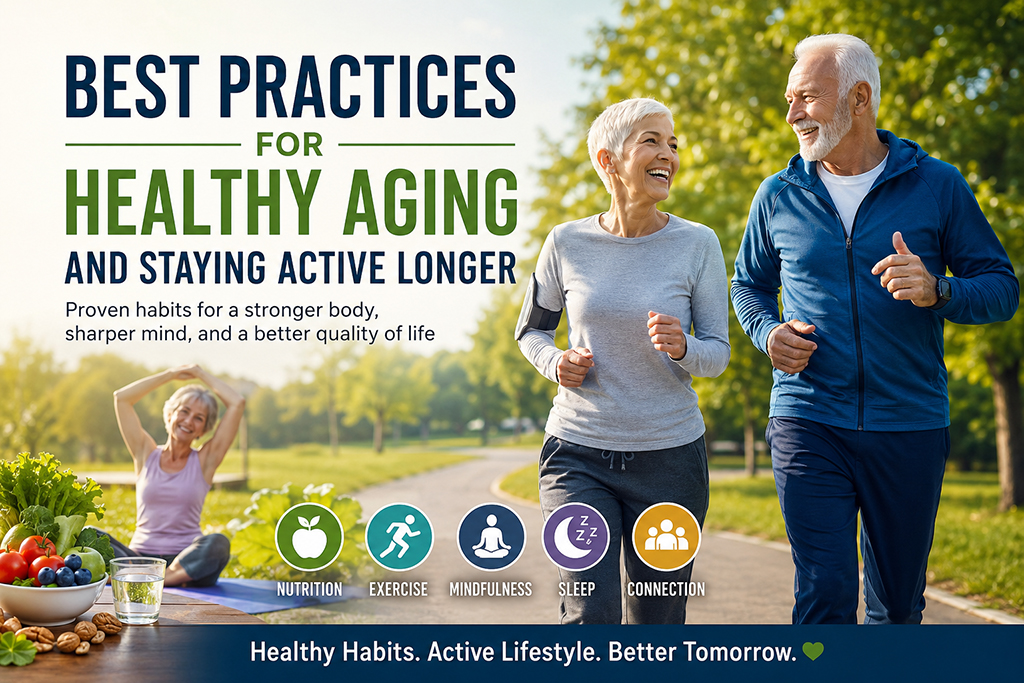
How to do Best practices for healthy aging and staying active longer, growing older is a natural part of life, but aging does not have to mean losing independence, energy, or quality of life. Thanks to advances in healthcare and a better understanding of lifestyle medicine, many people today are living longer and healthier than ever before.
Healthy aging is about maintaining physical strength, mental sharpness, emotional well-being, and social connections throughout life. The choices you make today can significantly influence how well you age tomorrow.
This comprehensive guide explores the best practices for healthy aging, providing practical tips that anyone can adopt regardless of age.
What Is Healthy Aging?
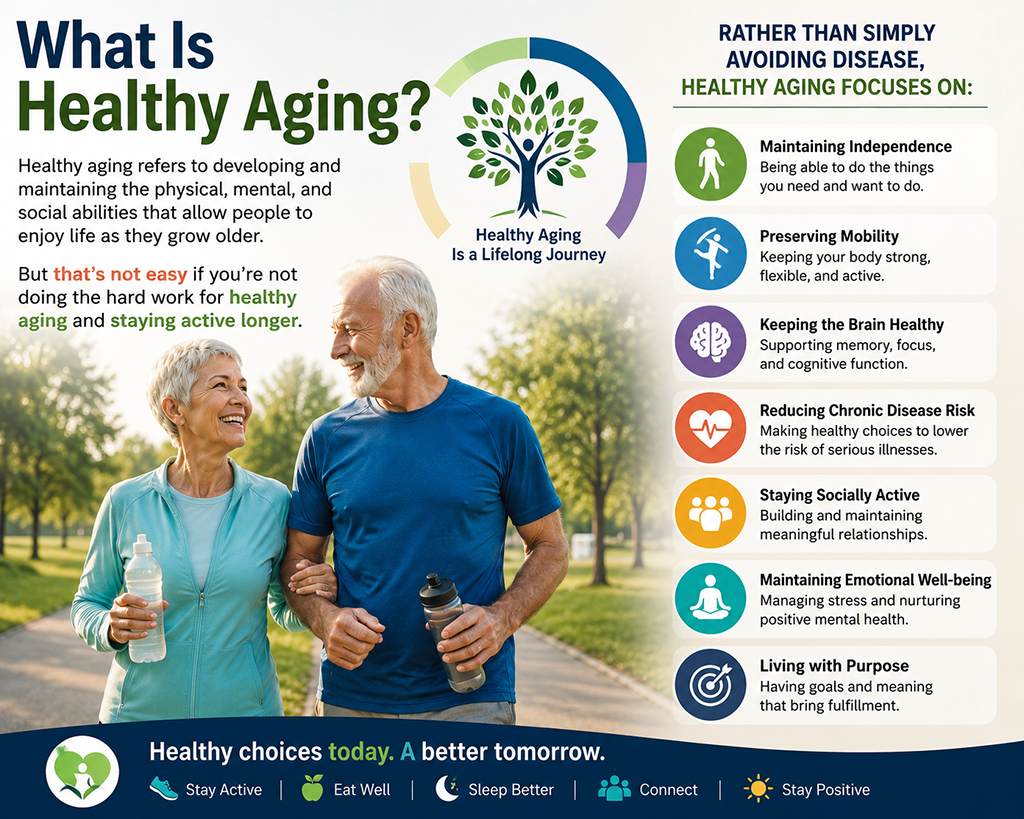
Healthy aging refers to developing and maintaining the physical, mental, and social abilities that allow people to enjoy life as they grow older. But that’s not easy if your not do hard working for healthy aging and staying active longer
Rather than simply avoiding disease, healthy aging focuses on:
- Maintaining independence
- Preserving mobility
- Keeping the brain healthy
- Reducing chronic disease risk
- Staying socially active
- Maintaining emotional well-being
- Living with purpose
Healthy aging begins much earlier than retirement. Building healthy habits in your 20s, 30s, and 40s provides long-term benefits later in life.
Why Healthy Aging Matters
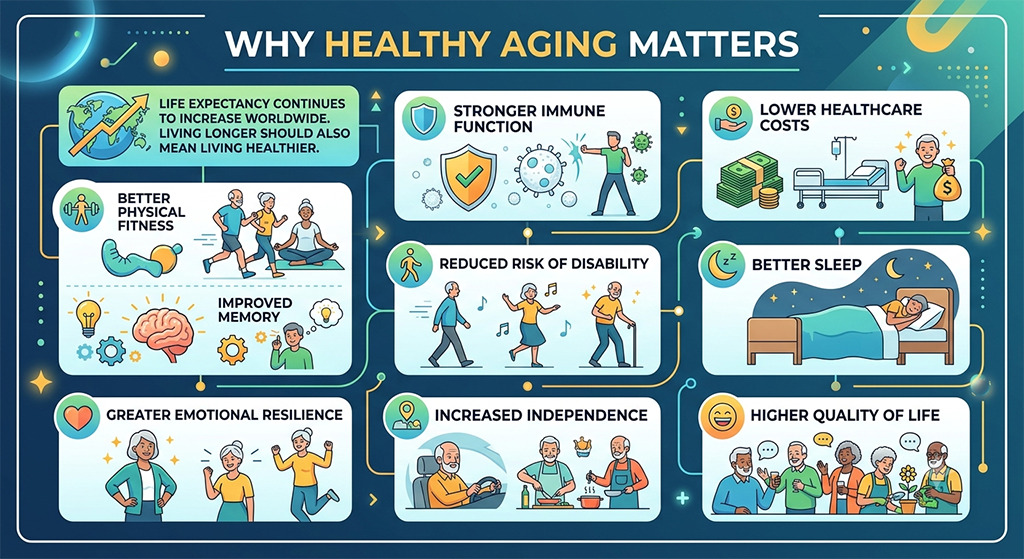
Life expectancy continues to increase worldwide. However, living longer should also mean living healthier.
Benefits of healthy aging include:
- Better physical fitness
- Stronger immune function
- Lower healthcare costs
- Improved memory
- Reduced risk of disability
- Better sleep
- Greater emotional resilience
- Increased independence
- Higher quality of life
The goal is not just adding years to life-but adding life to those years.
So that regularly do the best practices for Healthy Aging staying longer.
1. Stay Physically Active Every Day
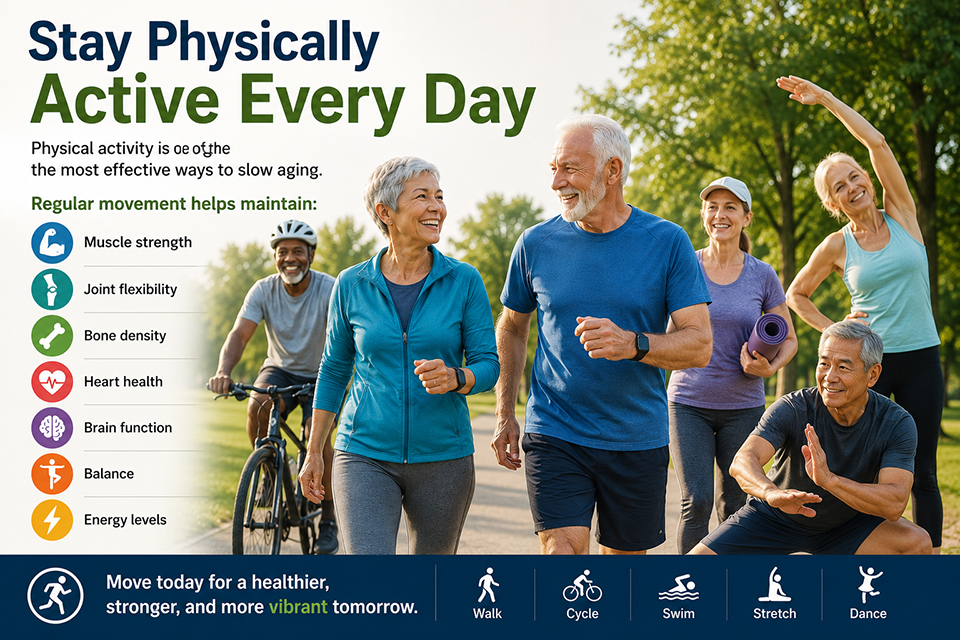
Physical activity is one of the most effective ways to slow aging.
Regular movement helps maintain:
- Muscle strength
- Joint flexibility
- Bone density
- Heart health
- Brain function
- Balance
- Energy levels
Recommended Weekly Exercise
Adults should aim for:
- 150–300 minutes of moderate aerobic activity
- Strength training at least twice weekly
- Flexibility exercises
- Balance training
Best Exercises for Healthy Aging
Walking
Walking is simple, free, and highly effective. And best practices for Healthy Aging staying longer
Benefits include:
- Improved heart health
- Better circulation
- Weight management
- Reduced stress
- Stronger bones
Aim for 30–45 minutes most days.
Strength Training
Muscle naturally declines with age.
Resistance exercises help:
- Preserve muscle mass
- Increase metabolism
- Improve balance
- Strengthen bones
- Prevent falls
Use:
- Dumbbells
- Resistance bands
- Bodyweight exercises
- Weight machines
Stretching
Daily stretching:
- Improves flexibility
- Reduces stiffness
- Increases mobility
- Prevents injuries
Include stretches for:
- Neck
- Shoulders
- Hips
- Hamstrings
- Lower back
Balance Exercises
Falls become more common with age.
Practice:
- Standing on one foot
- Heel-to-toe walking
- Tai Chi
- Yoga
These exercises improve coordination and stability.
Nutrition becomes increasingly important as the body ages.
A balanced diet supports:
- Heart health
- Brain health
- Immune function
- Bone strength
- Healthy weight
- Energy production
Fill Your Plate With
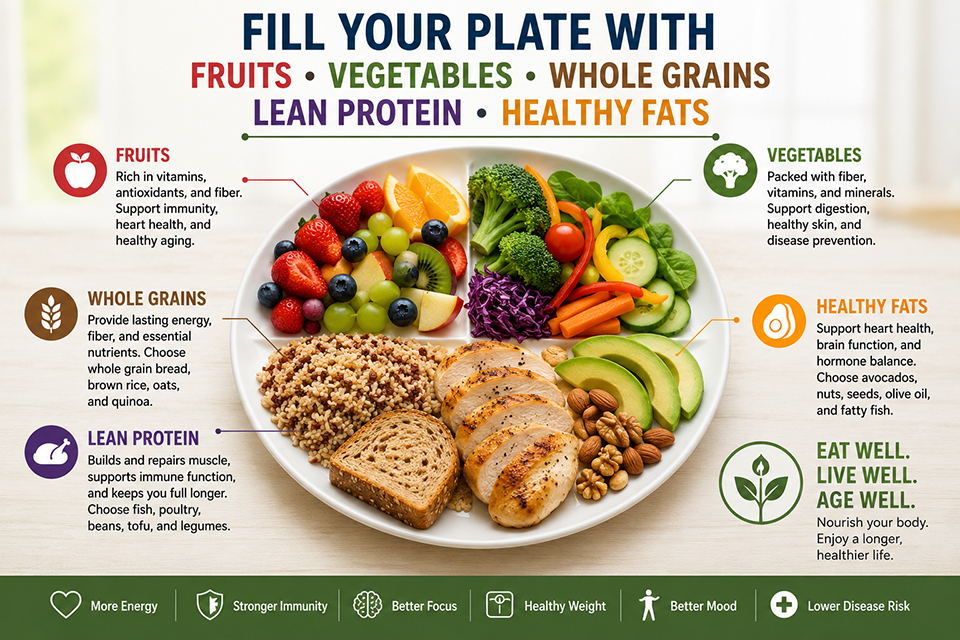
Vegetables
Aim for a variety of colorful vegetables.
Examples:
- Spinach
- Broccoli
- Carrots
- Bell peppers
- Tomatoes
Rich in:
- Vitamins
- Minerals
- Fiber
- Antioxidants
Fruits
Fresh fruits provide:
- Vitamin C
- Potassium
- Polyphenols
- Natural fiber
Choose:
- Berries
- Apples
- Oranges
- Papaya
- Pomegranate
- Kiwi
Whole Grains
Replace refined grains with:
- Oats
- Brown rice
- Quinoa
- Whole wheat
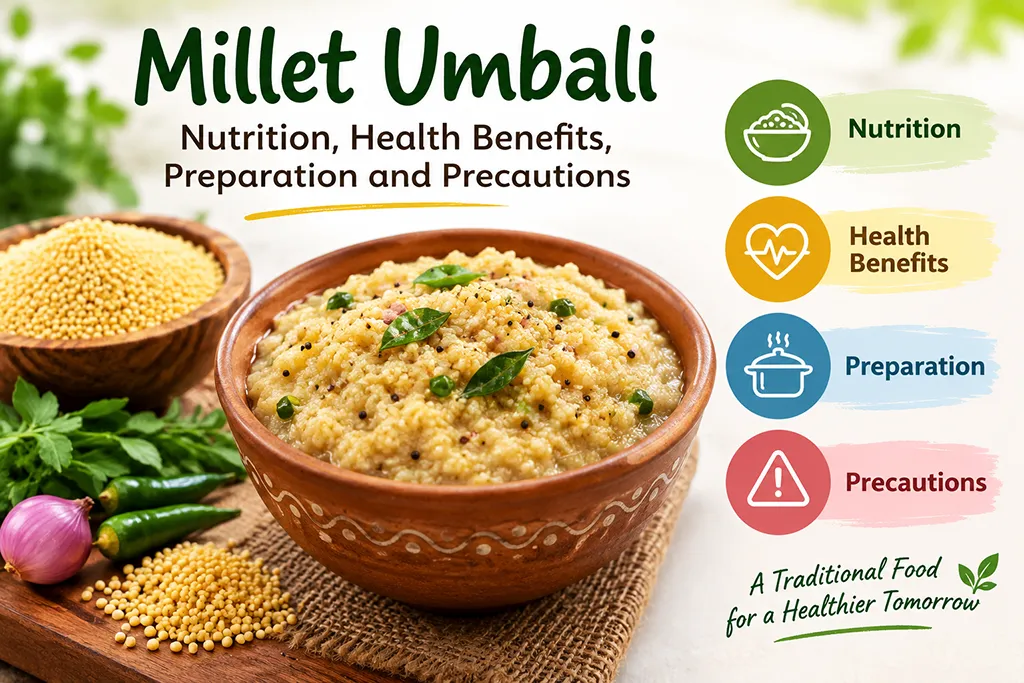
- Millet
Benefits include:
- Better digestion
- Stable blood sugar
- Longer-lasting energy
Lean Protein
Protein supports:
- Muscle repair
- Bone health
- Immune function
Healthy sources include:
- Fish
- Eggs
- Chicken
- Lentils
- Beans
- Tofu
- Greek yogurt
Healthy Fats
Healthy fats reduce inflammation.
Sources include:
- Olive oil
- Nuts
- Seeds
- Avocados
- Fatty fish
So that you have to do the best practices for healthy aging.
3. Stay Hydrated
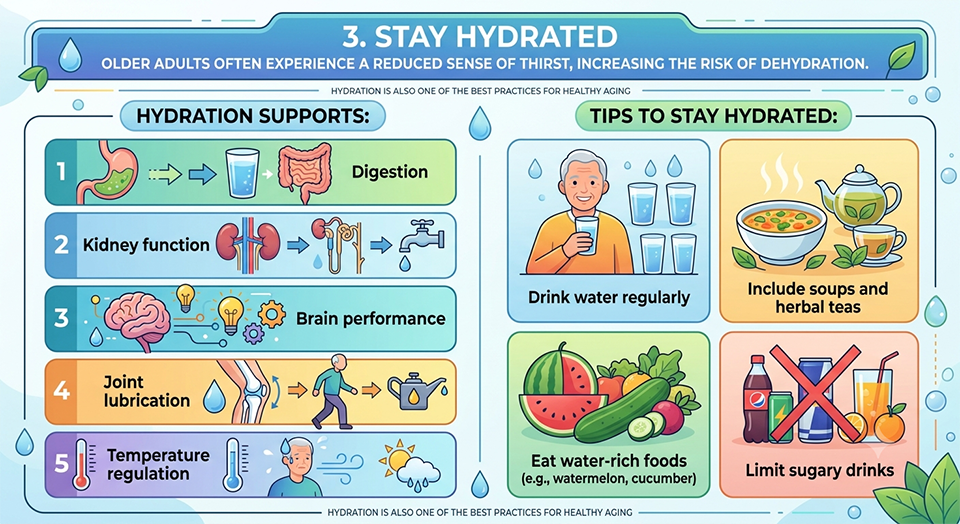
Older adults often experience a reduced sense of thirst, increasing the risk of dehydration.
Hydration is also one of the reasons of the best practices for healthy aging.
Hydration supports:
- Digestion
- Kidney function
- Brain performance
- Joint lubrication
- Temperature regulation
Tips:
- Drink water regularly throughout the day.
- Include soups and herbal teas.
- Eat water-rich foods such as watermelon and cucumber.
- Limit sugary drinks.
4. Prioritize Bone Health
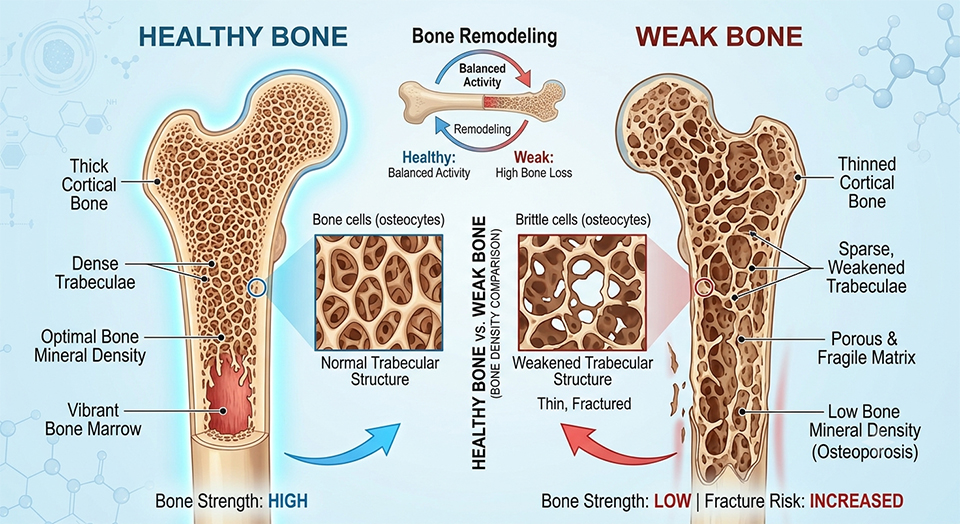
Bone density naturally decreases with age.
Reduce osteoporosis risk by consuming:
Calcium-rich foods
- Milk
- Yogurt
- Cheese
- Tofu
- Leafy greens
Vitamin D sources
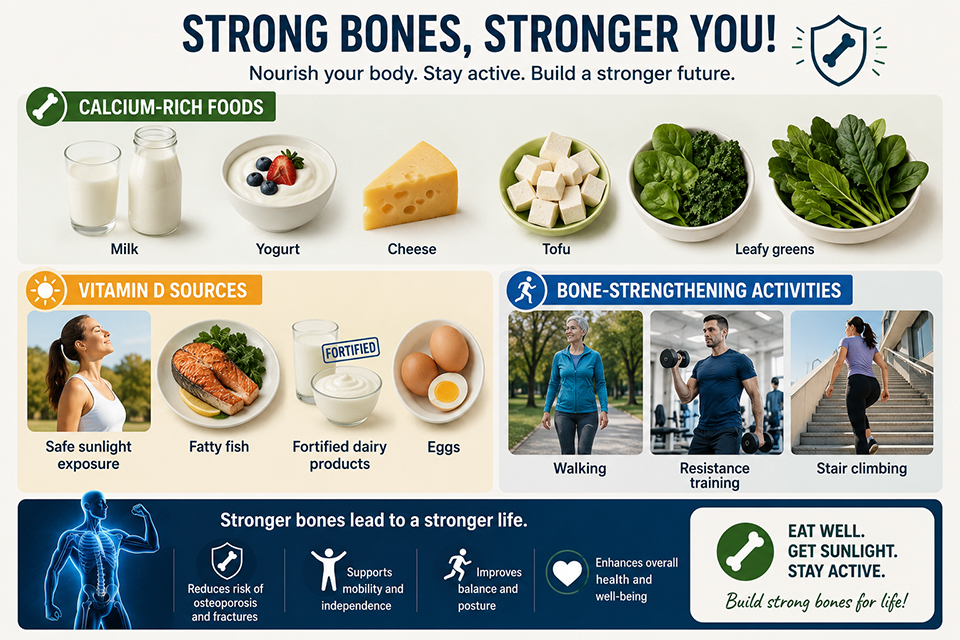
- Safe sunlight exposure
- Fatty fish
- Fortified dairy products
- Eggs
Bone-strengthening activities
- Walking
- Resistance training
- Stair climbing
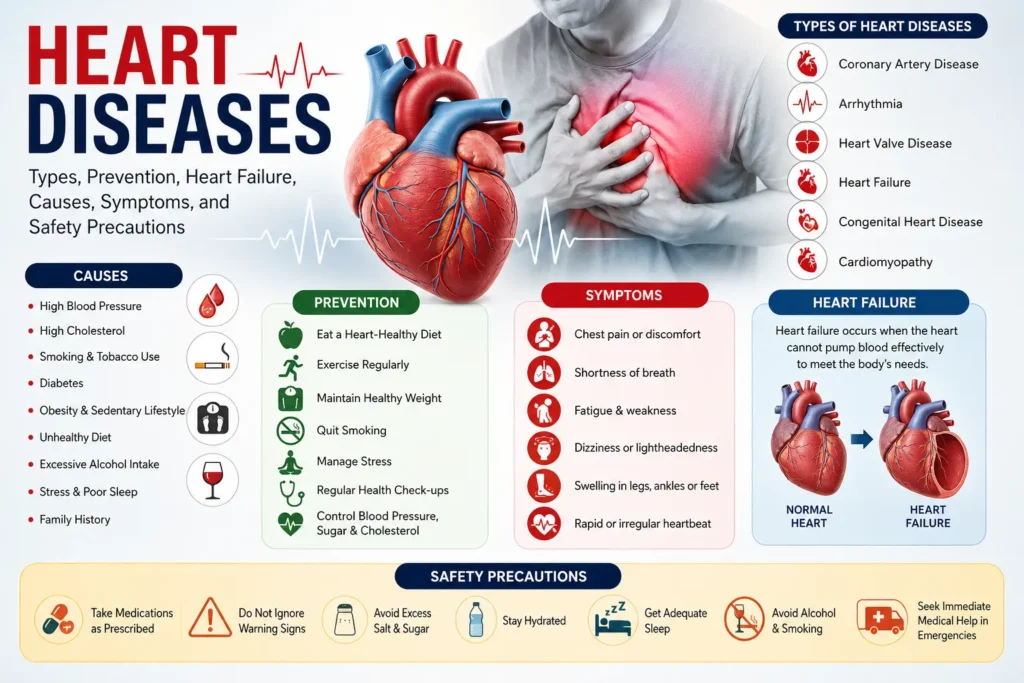
5. Protect Your Heart
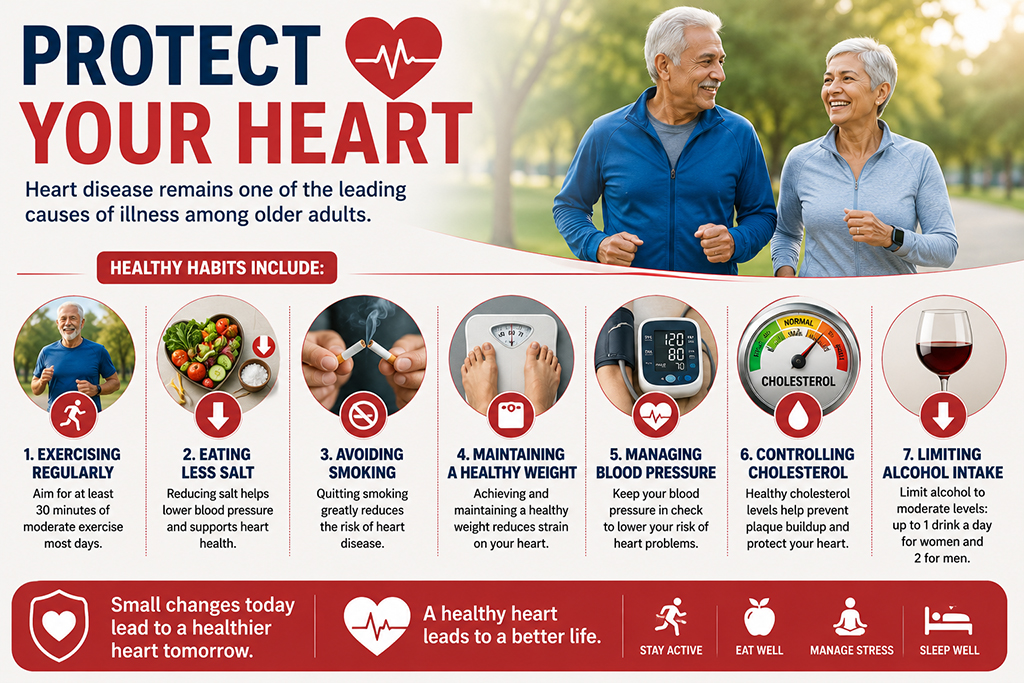
Heart disease remains one of the leading causes of illness among older adults.
Healthy habits include:
- Exercising regularly
- Eating less salt
- Avoiding smoking
- Maintaining a healthy weight
- Managing blood pressure
- Controlling cholesterol
- Limiting alcohol intake
So that people have to maintain the bone health and best practices for Healthy Aging staying longer.
6. Maintain Brain Health

The brain also benefits from regular exercise and mental stimulation.
When your heart is healthy
Ways to Keep Your Brain Sharp
- Read books
- Learn a new language
- Solve puzzles
- Play chess
- Practice memory exercises
- Learn new skills
- Listen to educational podcasts
Continuous learning helps build cognitive reserve.
Maintain a brain health also one of the best practices for Healthy Aging staying longer.
7. Get Enough Sleep
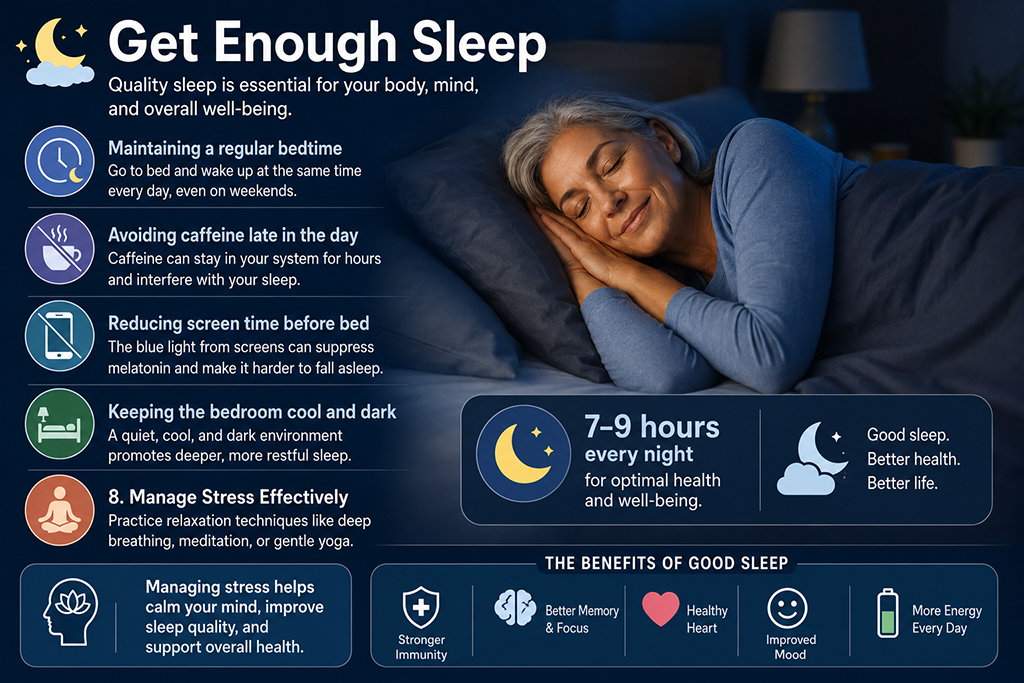
Quality sleep is essential for Healthy Aging staying longer.
Adults generally need:
7–9 hours every night
Good sleep supports:
- Memory
- Hormone balance
- Immune function
- Mood
- Heart health
Improve sleep by:
- Maintaining a regular bedtime
- Avoiding caffeine late in the day
- Reducing screen time before bed
- Keeping the bedroom cool and dark
- 8. Manage Stress Effectively
Long-term stress accelerates aging.
So that people have to maintain the bone health and best practices for healthy aging staying longer.
Stress management techniques include:
- Meditation
- Deep breathing
- Yoga
- Prayer
- Spending time outdoors
- Journaling
- Listening to calming music
So that people have to maintain the healthy sleep and best practices for Healthy Aging staying longer.
9. Maintain a Healthy Weight
Excess body fat increases the risk of:
- Type 2 diabetes
- Heart disease
- Arthritis
- Certain cancers
- Sleep apnea
Focus on:
- Balanced meals
- Regular exercise
- Portion control
- Adequate sleep
Avoid crash diets, which can lead to muscle loss.
Maintain a Healthy Weight also one of the best practices for Healthy Aging staying longer.
10. Avoid Smoking and Limit Alcohol
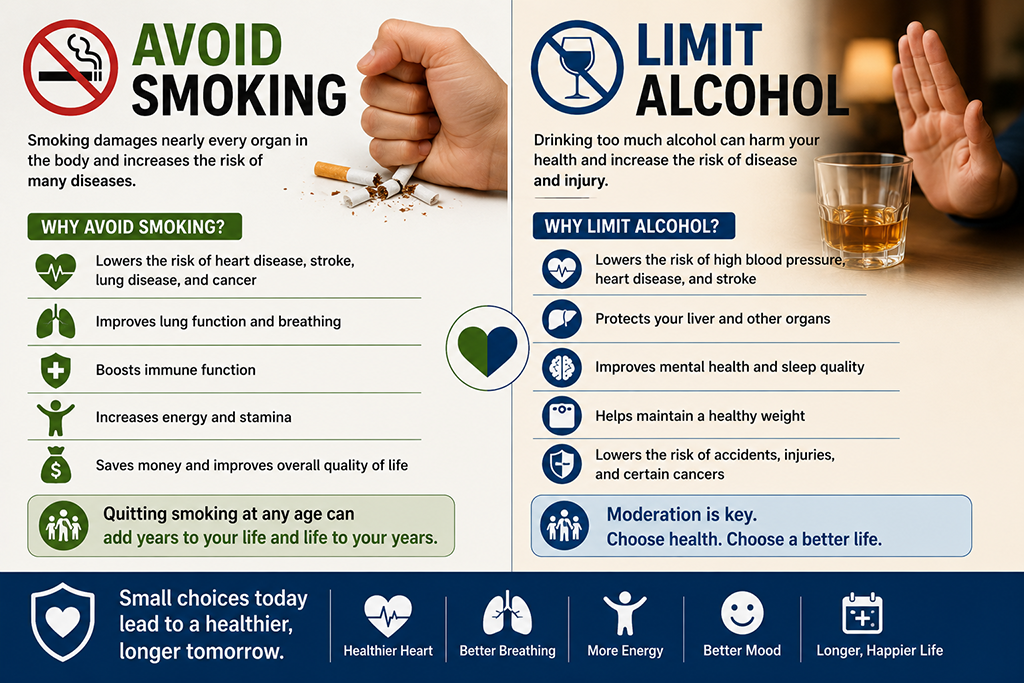
Smoking speeds up aging by damaging nearly every organ.
Benefits of quitting include:
- Better lung function
- Improved circulation
- Healthier skin
- Lower cancer risk
- Better heart health
If you drink alcohol, do so in moderation and follow your healthcare provider’s advice.
Avoid Smoking and Alcohol also one of the best practices for Healthy Aging staying longer.
11. Stay Socially Connected
Social relationships play an important role in healthy aging.
Strong social connections may:
- Reduce depression
- Improve memory
- Lower stress
- Increase longevity
- Enhance emotional well-being
Ways to stay connected:
- Join community groups
- Volunteer
- Spend time with family
- Meet friends regularly
- Participate in hobbies
Marinating social relations also on of best practices for Healthy Aging staying longer.
12. Schedule Regular Health Checkups
Preventive healthcare helps identify health problems early.
Important screenings may include:
- Blood pressure
- Blood sugar
- Cholesterol
- Vision
- Hearing
- Dental exams
- Bone density (when appropriate)
- Cancer screenings based on age, sex, and risk factors
Follow your healthcare provider’s recommendations for vaccinations and routine checkups.
13. Support Gut Health
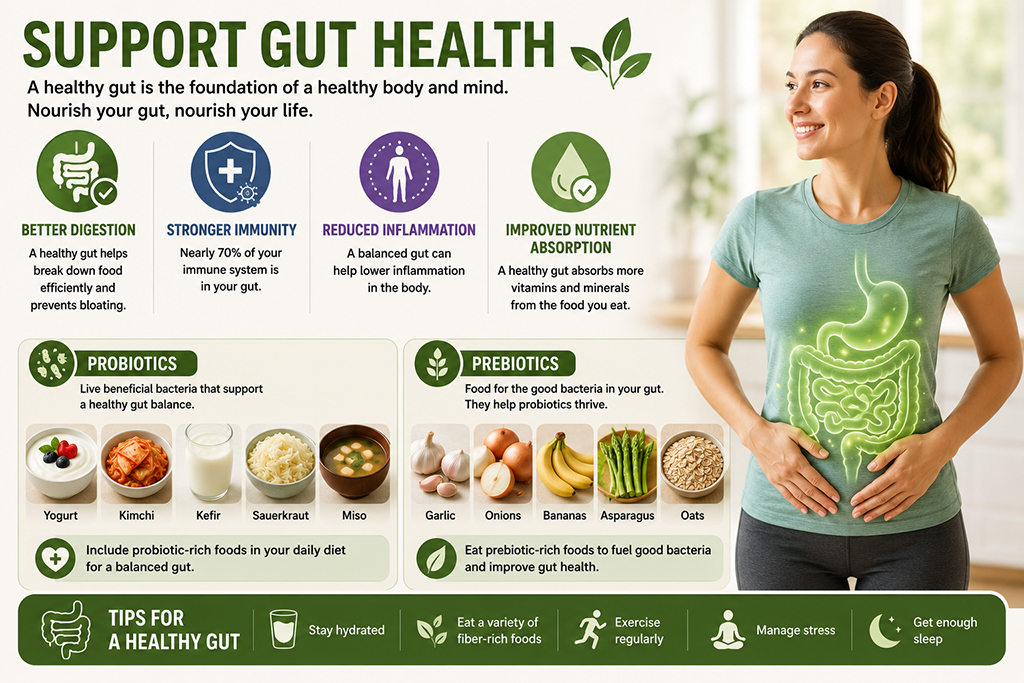
A healthy gut contributes to:
- Better digestion
- Stronger immunity
- Reduced inflammation
- Improved nutrient absorption
Eat foods rich in:
Probiotics
- Yogurt
- Kefir
- Fermented vegetables
Prebiotics
- Garlic
- Onions
- Bananas
- Oats
- Asparagus
14. Keep Your Mind Positive
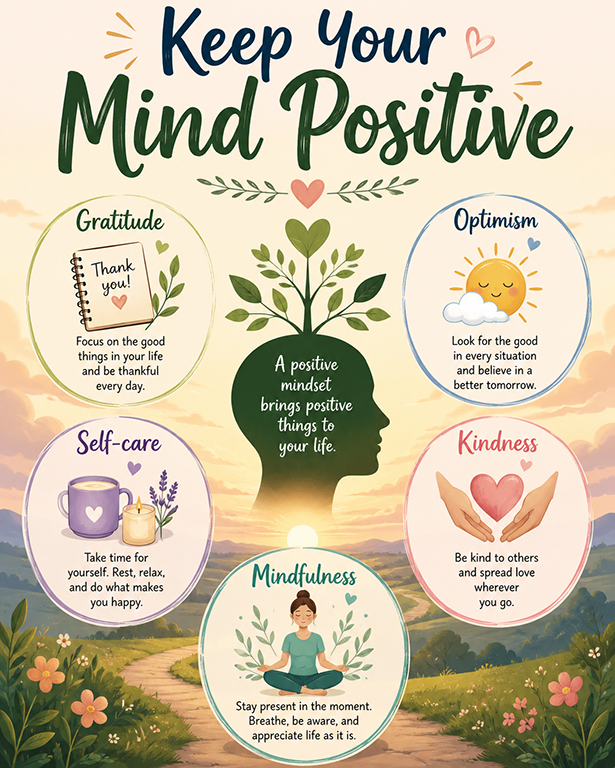
A positive mindset influences overall health.
Practice:
- Gratitude
- Optimism
- Self-care
- Kindness
- Mindfulness
People with a positive outlook often cope better with life’s challenges.
15. Continue Learning Throughout Life
Lifelong learning stimulates the brain and promotes confidence.
Ideas include:
- Online courses
- Music lessons
- Gardening
- Painting
- Cooking
- Photography
- Computer skills
Learning keeps the brain adaptable and engaged is also best practices for healthy aging.
16. Protect Your Vision and Hearing
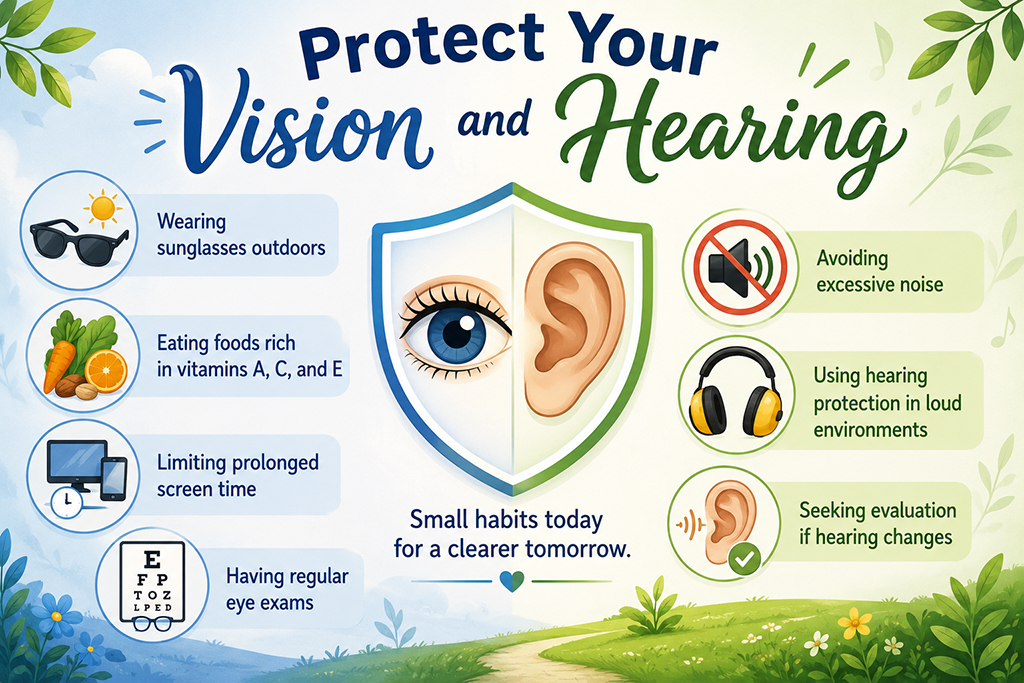
Healthy senses help maintain independence and reduce the risk of accidents.
Protect your eyes by:
- Wearing sunglasses outdoors
- Eating foods rich in vitamins A, C, and E
- Limiting prolonged screen time
- Having regular eye exams
Protect your hearing by:
- Avoiding excessive noise
- Using hearing protection in loud environments
- Seeking evaluation if hearing changes
17. Spend Time Outdoors
Nature offers many health benefits.
Outdoor activities can:
- Improve mood
- Reduce stress
- Increase physical activity
- Support vitamin D production
- Enhance sleep quality
Enjoy parks, gardens, or walking trails whenever possible.
18. Reduce Sedentary Time
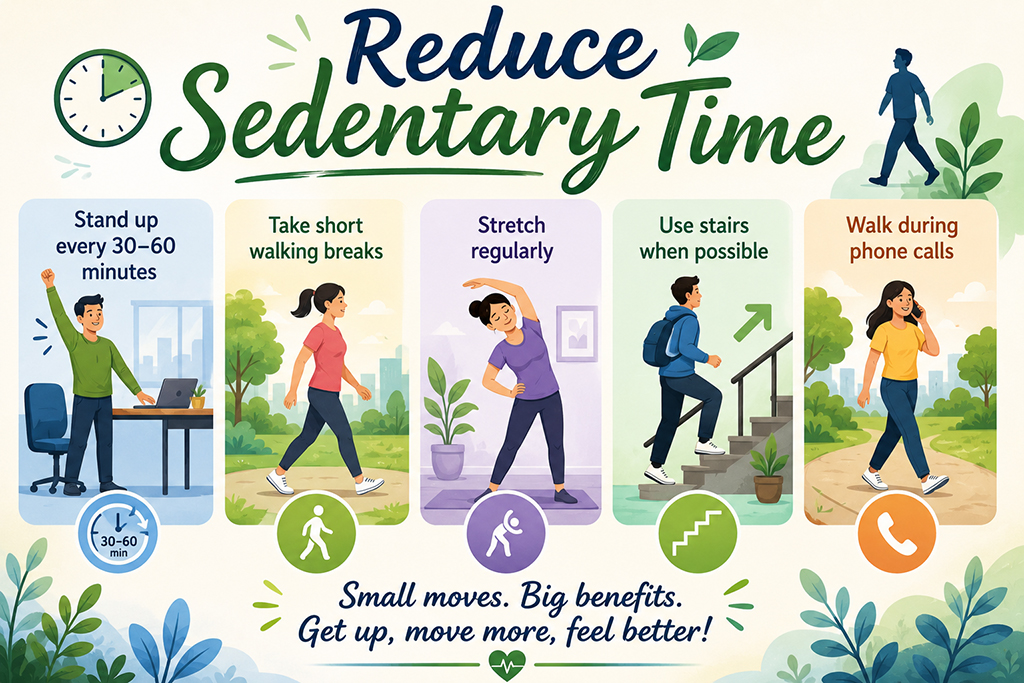
Long periods of sitting can increase the risk of chronic diseases.
Simple ways to move more:
- Stand up every 30–60 minutes
- Take short walking breaks
- Stretch regularly
- Use stairs when possible
- Walk during phone calls
Small changes throughout the day add up.
Daily Healthy Aging Checklist
| Healthy Habit | Goal |
|---|---|
| Drink enough water | ✓ Daily |
| Eat fruits and vegetables | 5+ servings |
| Exercise | 30–60 minutes |
| Strength training | 2–3 times/week |
| Sleep | 7–9 hours |
| Practice stress management | 10–20 minutes |
| Stay socially connected | Daily or weekly |
| Read or learn something new | Daily |
| Stretch | Daily |
| Limit processed foods | Every day |
Foods That Support Healthy Aging
| Food | Main Benefit |
|---|---|
| Blueberries | Antioxidants for brain health |
| Salmon | Omega-3 fats for heart and brain |
| Spinach | Vitamins and minerals for overall health |
| Greek yogurt | Protein and probiotics |
| Oats | Fiber for heart and digestive health |
| Walnuts | Healthy fats and antioxidants |
| Beans | Plant protein and fiber |
| Sweet potatoes | Vitamin A and fiber |
| Avocados | Healthy fats and potassium |
| Green tea | Antioxidant compounds |
Maintain good quality like organic less chemical foods also on of best practices for Healthy Aging staying longer.
Common Mistakes That Accelerate Aging
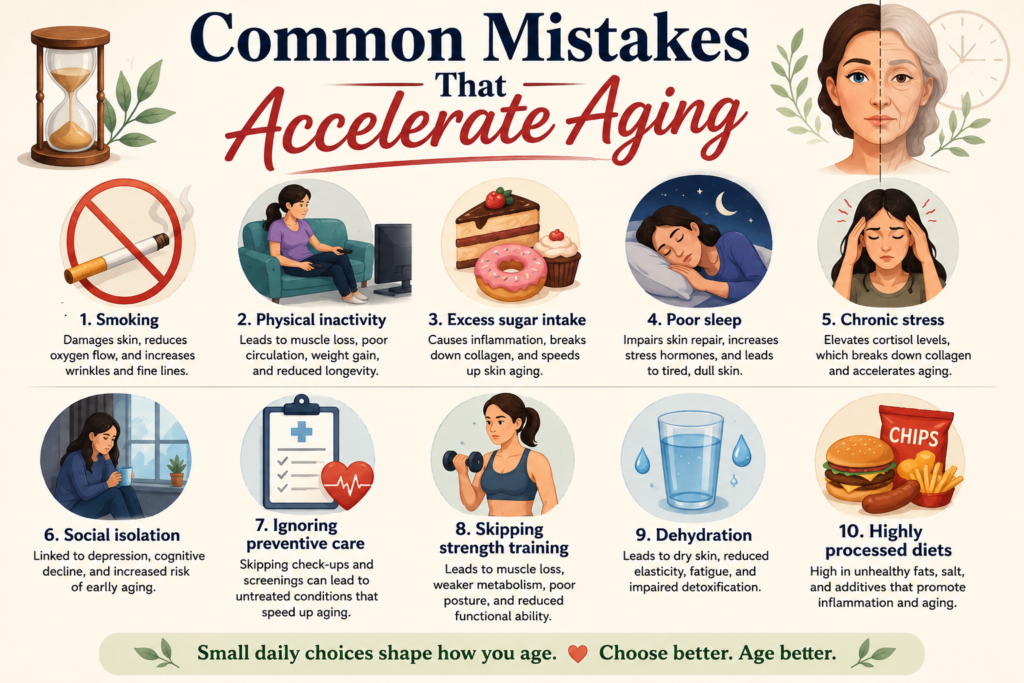
Avoid these habits:
- Smoking
- Physical inactivity
- Excess sugar intake
- Poor sleep
- Chronic stress
- Social isolation
- Ignoring preventive care
- Skipping strength training
- Dehydration
- Highly processed diets
Replacing these habits with healthier choices can improve long-term well-being.
Conclusion
Best practices for Healthy Aging staying longer. is the result of consistent, everyday choices rather than any single solution. Staying physically active, eating a nutrient-rich diet, getting adequate sleep, managing stress, maintaining social connections, and keeping up with preventive healthcare can help preserve strength, independence, and overall well-being as you grow older.
The best practices for healthy aging are achievable at any stage of life. By building sustainable habits and making gradual improvements, you can enhance your quality of life today while supporting healthier years ahead. Remember, it is never too early—or too late—to invest in your long-term health.
Related Posts

Stay Informed With the Latest & Most Important News
Previous Post
Next Post











Advertisement

-
 01Boost your gut health and immune system naturally
 -
 02Regenerative Stem Cell Treatments in Orthopedics: A Complete Guide to Healing Joints, Bones, and Soft Tissues Naturally
 -
 03Can You Get Vitamin D3 During Sunrise or Sunset? A Scientific Guide
 -
 04Extraordinary Lasoda Glue Berry: Health Benefits, Nutrition, and Traditional Uses
 -
 05Country Eggs: Detailed Information, Nutrition, Benefits, Risks, and How They Compare With Farm Eggs
 -
 06Seasonal mushrooms and snake hole mushrooms: A complete guide
 -
 07The Ultimate Guide to Making Sesame Seed Milk: Recipe, Nutrition & Amazing Health Benefits