



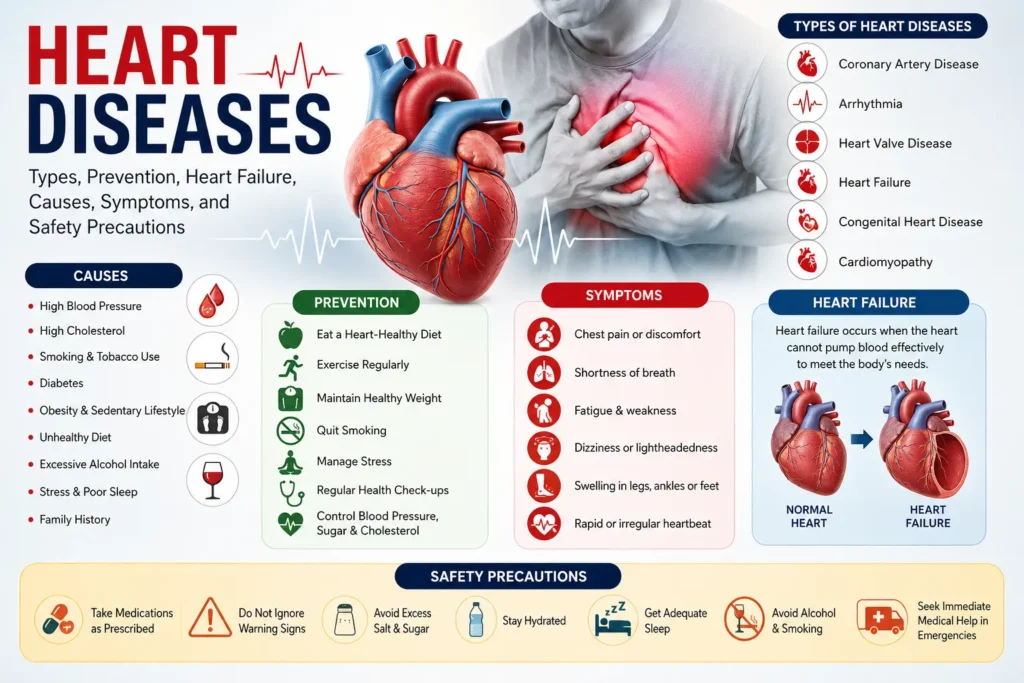
Now Reading: Understanding Mental Health in Children and Adolescents Today
-
01
Understanding Mental Health in Children and Adolescents Today
Understanding Mental Health in Children and Adolescents Today


Understanding Mental Health in Children and Adolescents Today: Challenges, Causes, and Solutions
Introduction
Mental health is a fundamental part of overall health and well-being, especially during childhood and adolescence. These developmental years are marked by rapid physical, emotional, social, and cognitive changes that shape an individual’s future. While most children and teenagers experience periods of stress, sadness, or anxiety, persistent emotional difficulties can affect their ability to learn, build relationships, and enjoy daily life.
In today’s interconnected and fast-changing world, young people face unique pressures that previous generations did not encounter. Academic competition, social media influence, family changes, cyberbullying, global uncertainties, and increasing social expectations have contributed to growing concerns about mental health among children and adolescents. Understanding these challenges is essential for parents, educators, healthcare professionals, and communities to provide effective support and intervention.
What Is Mental Health?
Mental health refers to a person’s emotional, psychological, and social well-being. It influences how children and adolescents think, feel, behave, and interact with others. Good mental health enables young people to:
- Cope with everyday stress
- Build healthy relationships
- Develop self-confidence
- Learn effectively
- Make responsible decisions
- Manage emotions appropriately
- Adapt to life’s challenges
Mental health is not simply the absence of mental illness. Rather, it is a state of well-being that allows children and teenagers to thrive and reach their full potential.
Why Mental Health Matters in Childhood and Adolescence
The brain undergoes significant development during childhood and adolescence. Experiences during these formative years have lasting effects on emotional regulation, social skills, learning capacity, and future mental health.
Children with strong mental health are more likely to:
- Perform better academically
- Develop healthy friendships
- Maintain positive self-esteem
- Demonstrate resilience during challenges
- Make healthier lifestyle choices
- Experience better physical health
Conversely, untreated mental health problems can lead to difficulties in education, employment, relationships, and overall quality of life later in adulthood.
The Growing Mental Health Crisis Among Young People
Mental health concerns among children and adolescents have increased significantly in recent years. Experts attribute this trend to multiple factors, including modern lifestyles, societal pressures, and environmental influences.
Several reasons contribute to this increase:
Academic Pressure
Many students face intense competition and high expectations regarding grades, examinations, and future career prospects. Constant pressure to succeed can lead to chronic stress, anxiety, and burnout.
Social Media and Digital Technology
Social media platforms offer opportunities for connection but also expose young people to unrealistic standards, comparison, cyberbullying, and excessive screen time.
Family Challenges
Family conflict, divorce, financial difficulties, parental mental health issues, and lack of emotional support can negatively affect a child’s emotional well-being.
Global Uncertainty
Events such as pandemics, economic instability, climate concerns, and social unrest may contribute to feelings of anxiety and uncertainty among young people.
Reduced Physical Activity
Modern lifestyles often involve increased screen use and reduced outdoor play, which can impact emotional health and stress management.
Common Mental Health Disorders in Children and Adolescents
1. Anxiety Disorders
Anxiety disorders are among the most common mental health conditions affecting young people.
Symptoms may include:
- Excessive worrying
- Fear of social situations
- Panic attacks
- Difficulty concentrating
- Sleep disturbances
- Frequent physical complaints such as headaches or stomachaches
Children with anxiety may avoid school, social activities, or situations that trigger fear.
2. Depression
Depression is more than occasional sadness. It is a serious condition that affects mood, thoughts, and behavior.
Common signs include:
- Persistent sadness
- Loss of interest in favorite activities
- Fatigue and low energy
- Changes in appetite
- Sleep problems
- Feelings of hopelessness
- Difficulty concentrating
Without treatment, depression can significantly affect academic performance and relationships.
3. Attention-Deficit/Hyperactivity Disorder (ADHD)
ADHD affects attention, impulse control, and activity levels.
Common symptoms include:
- Difficulty focusing
- Forgetfulness
- Restlessness
- Excessive talking
- Impulsive behavior
- Difficulty completing tasks
Children with ADHD often face challenges both at school and at home.
4. Behavioral Disorders
Behavioral disorders involve persistent patterns of disruptive or aggressive behavior.
Examples include:
- Oppositional Defiant Disorder (ODD)
- Conduct Disorder (CD)
Symptoms may include:
- Frequent arguments
- Defiance toward authority figures
- Aggression
- Rule-breaking behavior
- Difficulty controlling anger
5. Eating Disorders
Eating disorders often emerge during adolescence and involve unhealthy relationships with food and body image.
Common disorders include:
- Anorexia nervosa
- Bulimia nervosa
- Binge-eating disorder
Warning signs include:
- Extreme dieting
- Obsession with weight
- Rapid weight changes
- Excessive exercise
- Avoidance of meals
6. Autism Spectrum Disorder (ASD)
Autism Spectrum Disorder affects communication, social interaction, and behavior.
Characteristics may include:
- Difficulty understanding social cues
- Repetitive behaviors
- Strong preference for routines
- Sensory sensitivities
- Challenges with communication
Early diagnosis and support can improve long-term outcomes.
Risk Factors for Mental Health Problems
Mental health disorders usually develop through a combination of biological, psychological, and environmental factors.
Biological Factors
- Genetics
- Brain chemistry
- Hormonal changes
- Neurological differences
Psychological Factors
- Low self-esteem
- Negative thinking patterns
- Poor coping skills
- Previous trauma
Environmental Factors
- Bullying
- Family conflict
- Poverty
- Abuse or neglect
- Exposure to violence
- Social isolation
Understanding these risk factors can help identify vulnerable children and provide early support.
Warning Signs Parents and Caregivers Should Watch For
Children do not always express emotional difficulties verbally. Their struggles often appear through changes in behavior.
Potential warning signs include:
- Sudden mood swings
- Withdrawal from friends and family
- Declining academic performance
- Excessive worry
- Frequent crying
- Aggressive behavior
- Changes in sleeping habits
- Changes in appetite
- Loss of interest in activities
- Frequent physical complaints without medical cause
- Self-harming behavior
- Expressions of hopelessness
Any persistent or severe changes should be taken seriously.
The Impact of Social Media on Mental Health
Social media has transformed communication among young people. While it provides opportunities for connection and learning, excessive use may negatively affect mental well-being.
Potential Benefits
- Social connection
- Access to support communities
- Educational opportunities
- Creative expression
Potential Risks
- Cyberbullying
- Social comparison
- Low self-esteem
- Sleep disruption
- Increased anxiety
- Exposure to harmful content
Parents can encourage healthy digital habits by setting reasonable boundaries and promoting balanced online and offline activities.
The Role of Parents in Supporting Mental Health
Parents are among the most influential factors in a child’s emotional development.
Effective ways to support mental health include:
Open Communication
Create an environment where children feel comfortable discussing their feelings without fear of judgment.
Active Listening
Listen attentively and validate their emotions rather than dismissing concerns.
Consistent Routines
Regular schedules for meals, sleep, study, and recreation provide stability and security.
Positive Reinforcement
Recognize effort and achievements to build confidence and resilience.
Modeling Healthy Behavior
Children often learn emotional regulation by observing adults.
Monitoring Online Activity
Remain aware of social media use and online interactions while respecting privacy.
The Role of Schools
Schools play a critical role in promoting emotional well-being.
Supportive schools can provide:
- Mental health education
- School counseling services
- Anti-bullying initiatives
- Emotional learning programs
- Early intervention systems
- Safe and inclusive environments
Teachers are often among the first adults to notice behavioral changes that may indicate mental health concerns.
Importance of Physical Health in Mental Well-Being
Physical and mental health are closely connected.
Healthy habits that support emotional well-being include:
Regular Exercise
Physical activity helps reduce stress, anxiety, and symptoms of depression while improving mood and self-esteem.
Proper Nutrition
A balanced diet supports brain development and emotional regulation.
Adequate Sleep
Sleep is essential for memory, learning, concentration, and emotional stability.
Outdoor Activities
Spending time in nature can reduce stress and improve overall well-being.
When Professional Help Is Needed
Professional assistance should be sought when symptoms:
- Persist for several weeks
- Interfere with daily activities
- Affect school performance
- Damage relationships
- Cause significant distress
- Include self-harm or suicidal thoughts
Mental health professionals may recommend:
- Psychological counseling
- Cognitive Behavioral Therapy (CBT)
- Family therapy
- Behavioral interventions
- Medication when clinically appropriate
Early intervention often leads to better recovery and long-term outcomes.
Building Resilience in Children and Adolescents
Resilience is the ability to recover from challenges and adapt to difficult situations.
Parents and educators can foster resilience by encouraging:
- Problem-solving skills
- Positive relationships
- Independence
- Emotional awareness
- Healthy coping strategies
- Goal setting
- Optimism and self-confidence
Resilient children are better equipped to navigate life’s challenges and maintain good mental health.
Breaking the Stigma Around Mental Health
Despite growing awareness, stigma remains a significant barrier to seeking help.
Common misconceptions include:
- Mental health problems indicate weakness.
- Children are too young to experience mental illness.
- Mental health conditions result from poor parenting.
- Seeking therapy means something is seriously wrong.
Education and open discussions can help eliminate stigma and encourage early intervention.
Practical Tips for Promoting Mental Wellness
Families can support mental well-being through simple daily practices:
- Encourage open conversations about emotions.
- Maintain healthy sleep schedules.
- Promote regular physical activity.
- Limit excessive screen time.
- Foster positive friendships.
- Teach stress-management techniques.
- Encourage hobbies and creative activities.
- Spend quality time together.
- Seek help early when concerns arise.
Conclusion
Mental health is a crucial component of healthy childhood and adolescent development. As modern society presents new challenges, understanding and addressing mental health concerns has become more important than ever. Anxiety, depression, behavioral disorders, and other mental health conditions can significantly affect a young person’s quality of life, but early recognition and intervention can make a profound difference.
Parents, teachers, healthcare professionals, and communities all share responsibility for creating supportive environments where children and adolescents feel safe, valued, and understood. By promoting awareness, reducing stigma, encouraging healthy lifestyles, and ensuring access to professional support when needed, we can help the next generation build resilience, achieve emotional well-being, and lead healthier, more fulfilling lives.
Related Posts
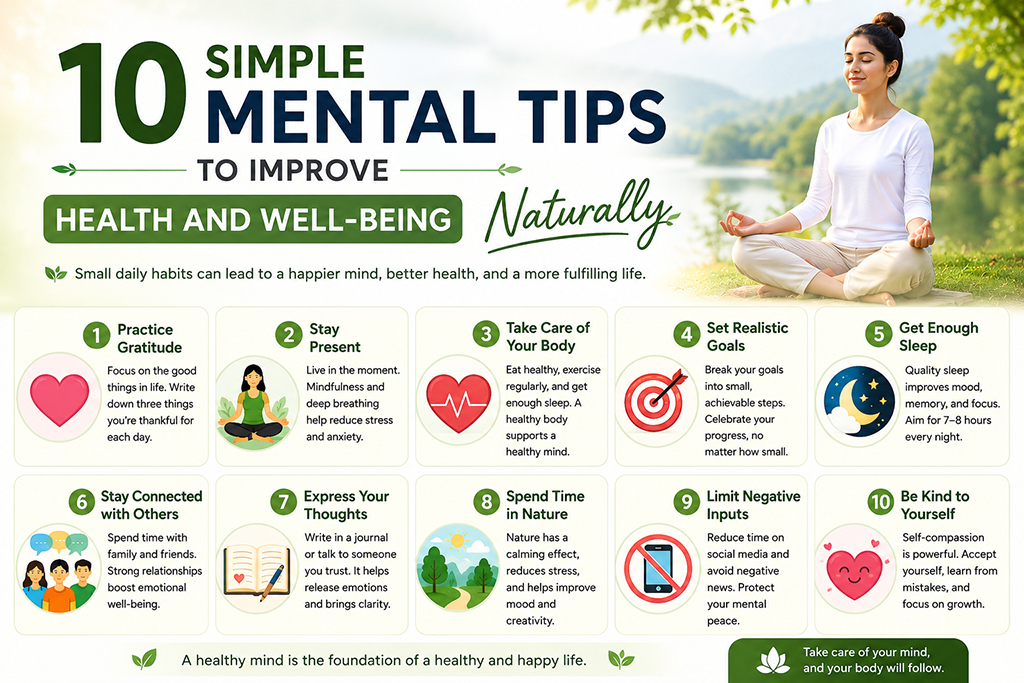


Stay Informed With the Latest & Most Important News
Previous Post
Next Post














Advertisement

-
 01Boost your gut health and immune system naturally
 -
 02Regenerative Stem Cell Treatments in Orthopedics: A Complete Guide to Healing Joints, Bones, and Soft Tissues Naturally
 -
 03Can You Get Vitamin D3 During Sunrise or Sunset? A Scientific Guide
 -
 04Extraordinary Lasoda Glue Berry: Health Benefits, Nutrition, and Traditional Uses
 -
 05Country Eggs: Detailed Information, Nutrition, Benefits, Risks, and How They Compare With Farm Eggs
 -
 06Seasonal mushrooms and snake hole mushrooms: A complete guide
 -
 07The Ultimate Guide to Making Sesame Seed Milk: Recipe, Nutrition & Amazing Health Benefits