Now Reading: Boost your gut health and immune system naturally
-
01
Boost your gut health and immune system naturally
Boost your gut health and immune system naturally

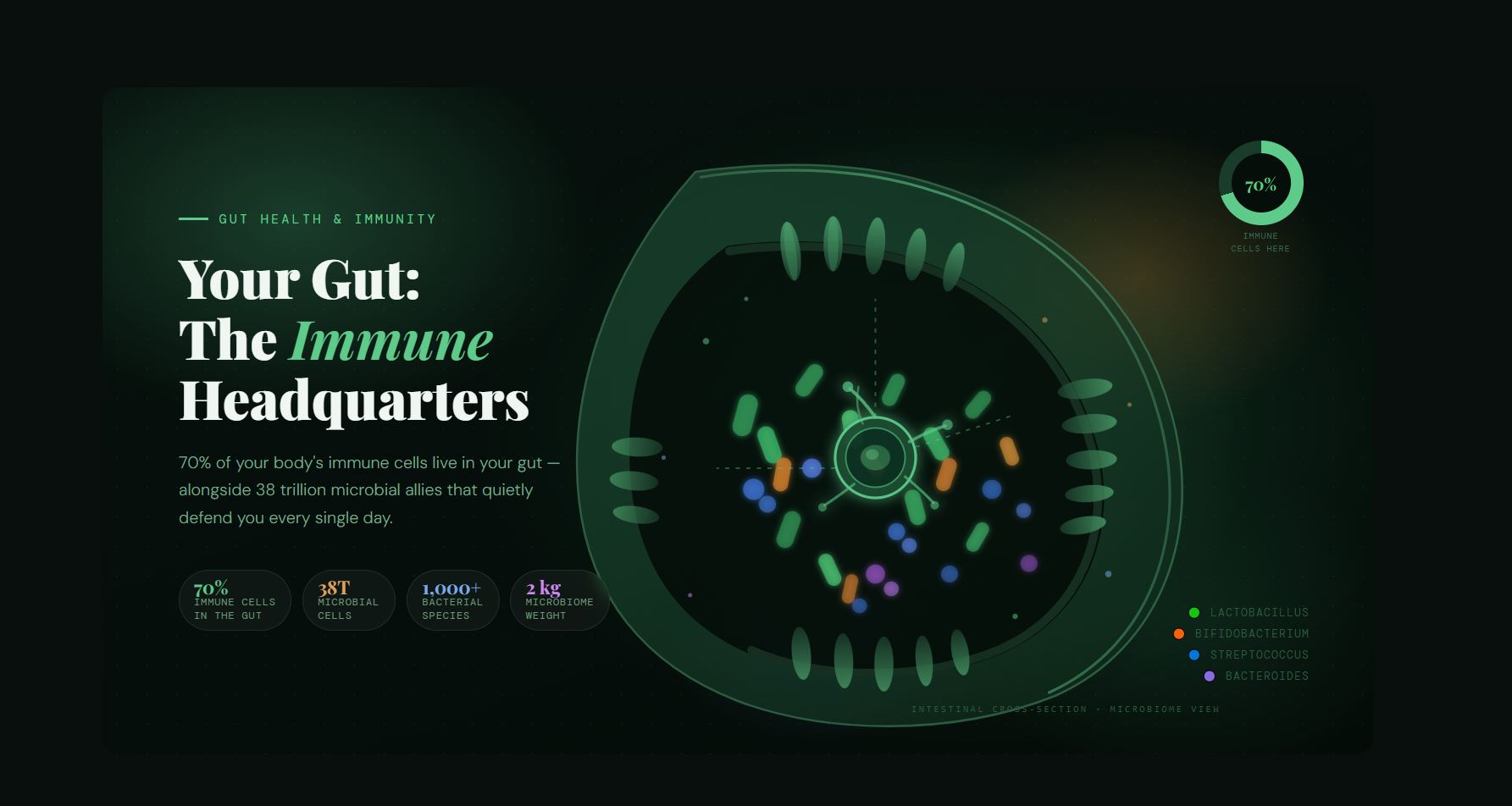
Boosting Your Gut Health and Immune System Naturally because the human body is home to trillions of microorganisms, including bacteria, viruses, fungi, and other microbes. Most of these microorganisms reside in the digestive tract, collectively known as the gut microbiome. Over the past few decades, scientific research has revealed that the gut does much more than digest food. It plays a critical role in maintaining overall health, especially the body’s immune system.
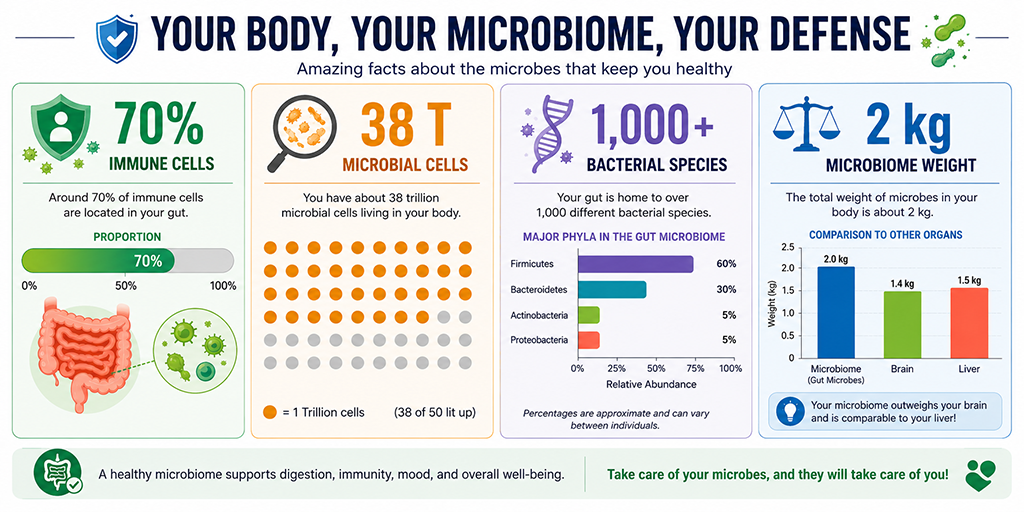
In fact, approximately 70% of the immune system is associated with the gastrointestinal tract, making gut health one of the most important factors influencing immunity. A healthy gut helps protect the body from infections, reduces inflammation, and supports optimal immune responses. Conversely, an unhealthy gut can weaken immune defenses and contribute to various health problems. So that you have to boost your Gut Health and Immune System naturally.
This article explores the relationship between how to boost your gut health and immune system naturally, explains how the gut microbiome functions, and provides practical tips for maintaining a healthy digestive system.
The trillions of microbes lining your intestines do far more than digest food — they orchestrate your entire immune defense system. That’s the reason everybody have to boost your gut health and immune system naturally
How to Boost your Gut Health and Immune System naturally?
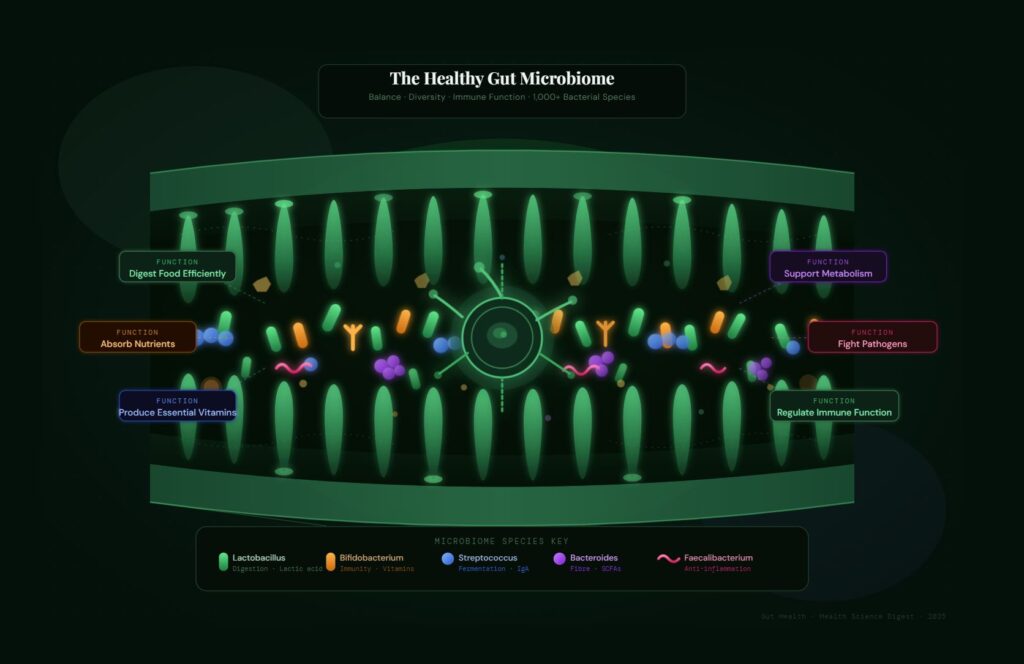
Gut health refers to the balance and proper functioning of the digestive system, particularly the microorganisms living within it. A healthy gut contains a diverse population of beneficial bacteria that work together to:
- Digest food efficiently
- Absorb nutrients
- Produce essential vitamins
- Support metabolism
- Protect against harmful pathogens
- Regulate immune function
The gut microbiome contains hundreds of different species of bacteria, each performing unique functions that contribute to overall health. That’s why we have to Boost your Gut Health and Immune System naturally.
Understanding the immune system
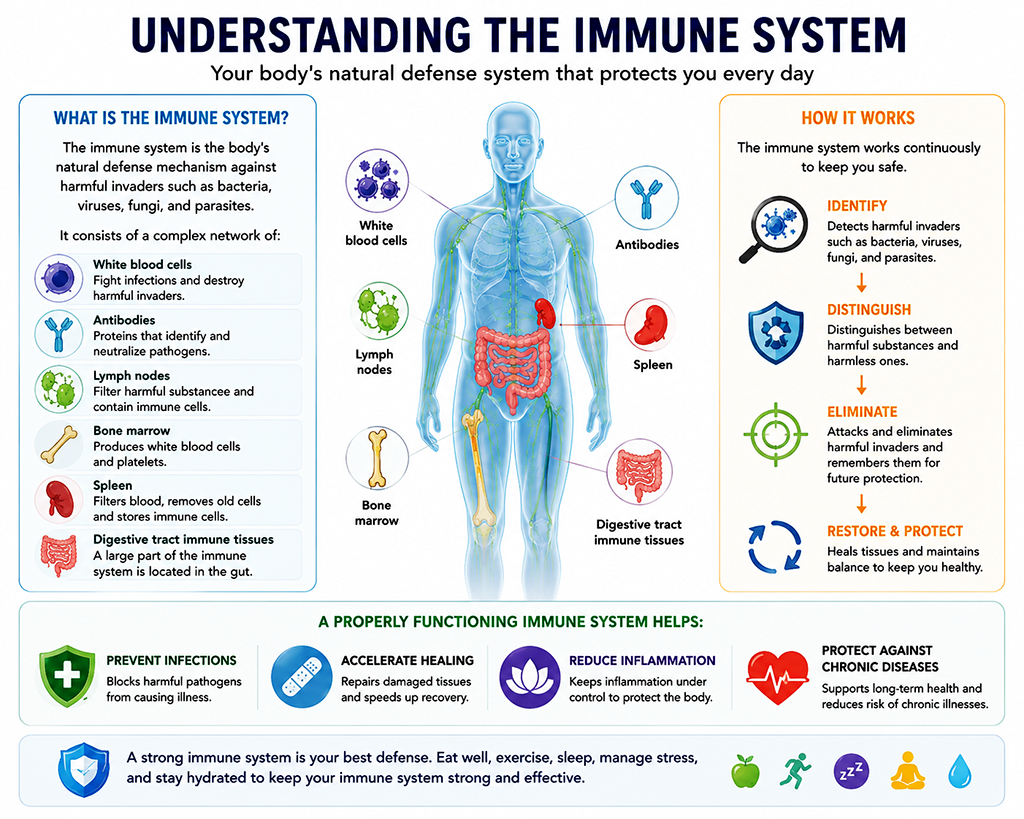
The immune system is the body’s natural defense mechanism against harmful invaders such as bacteria, viruses, fungi, and parasites. It consists of a complex network of:
- White blood cells
- Antibodies
- Lymph nodes
- Bone marrow
- Spleen
- Digestive tract immune tissues
The immune system works continuously to identify and eliminate threats while distinguishing between harmful and harmless substances.
A properly functioning immune system helps:
- Prevent infections
- Accelerate healing
- Reduce inflammation
- Protect against chronic diseases
Because much of the immune system is located within the digestive tract, gut health directly influences immune performance.
So that we have to boost or gut health and immune system naturally.
Why the gut is called the body’s immune headquarters
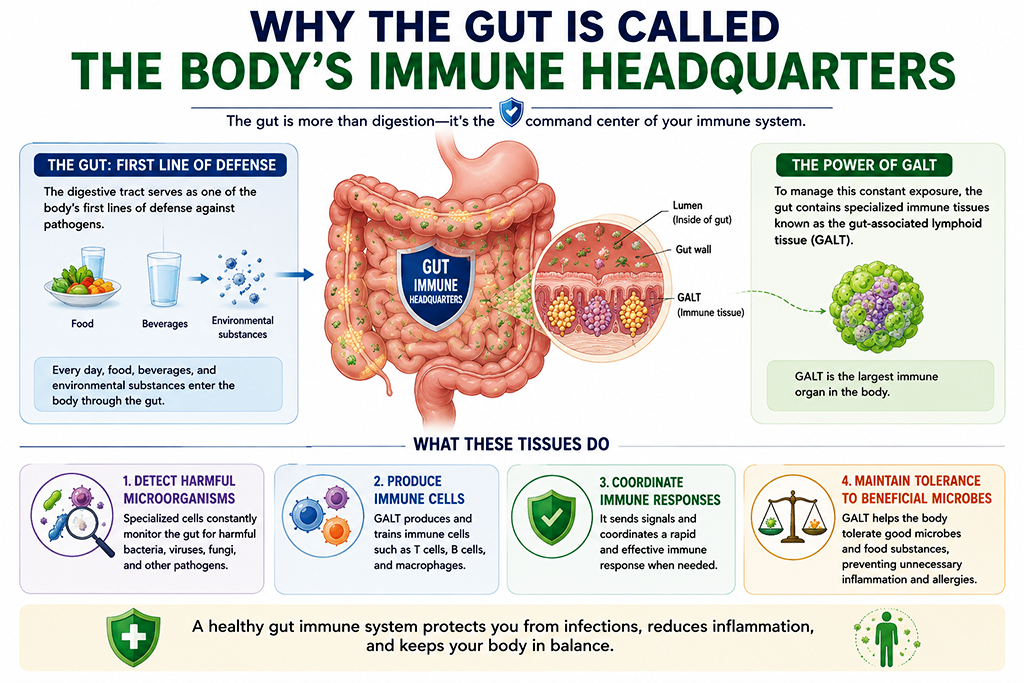
The digestive tract serves as one of the body’s first lines of defense against pathogens. Every day, food, beverages, and environmental substances enter the body through the gut.
To manage this constant exposure, the gut contains specialized immune tissues known as the gut-associated lymphoid tissue (GALT).
These tissues:
- Detect harmful microorganisms
- Produce immune cells
- Coordinate immune responses
- Maintain tolerance to beneficial microbes
This extensive immune activity is why scientists often describe the gut as the body’s immune headquarters.
The role of the gut microbiome in immunity
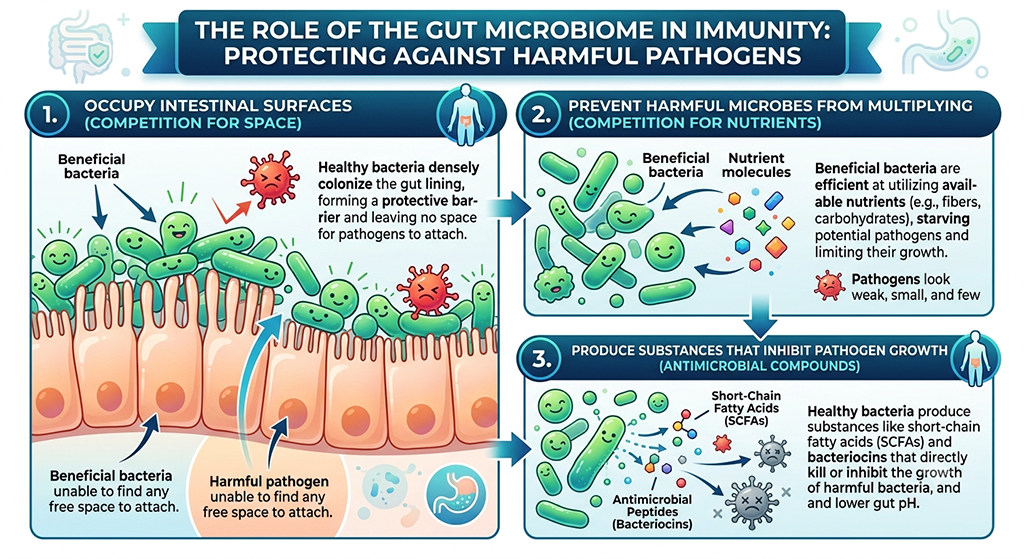
1. Protecting against harmful pathogens
Beneficial gut bacteria compete with harmful microorganisms for space and nutrients.
Healthy bacteria:
- Occupy intestinal surfaces
- Prevent harmful microbes from multiplying
- Produce substances that inhibit pathogen growth
This protective effect helps reduce the risk of infections.
2. Strengthening the intestinal barrier
The intestinal lining acts as a protective wall between the digestive tract and the bloodstream.
Beneficial gut bacteria help maintain:
- Tight junctions between intestinal cells
- Healthy mucus production
- Barrier integrity
A strong intestinal barrier prevents harmful substances from entering the bloodstream.
3. Training the immune system
The gut microbiome helps educate immune cells about which substances are harmful and which are harmless.
This process helps the immune system:
- Respond appropriately to infections
- Avoid unnecessary inflammation
- Reduce allergic reactions
- Maintain immune balance
Without proper microbial exposure, immune regulation may become impaired. So that we have to boost or gut health and immune system naturally.
4. Producing beneficial compounds

Gut bacteria ferment dietary fiber and produce substances called short-chain fatty acids (SCFAs), including:
- Butyrate
- Acetate
- Propionate
These compounds:
- Nourish intestinal cells
- Reduce inflammation
- Support immune function
- Strengthen gut barrier integrity
SCFAs are considered essential for maintaining both digestive and immune health. So that we have to boost or gut health and immune system naturally.
How poor gut health affects immunity
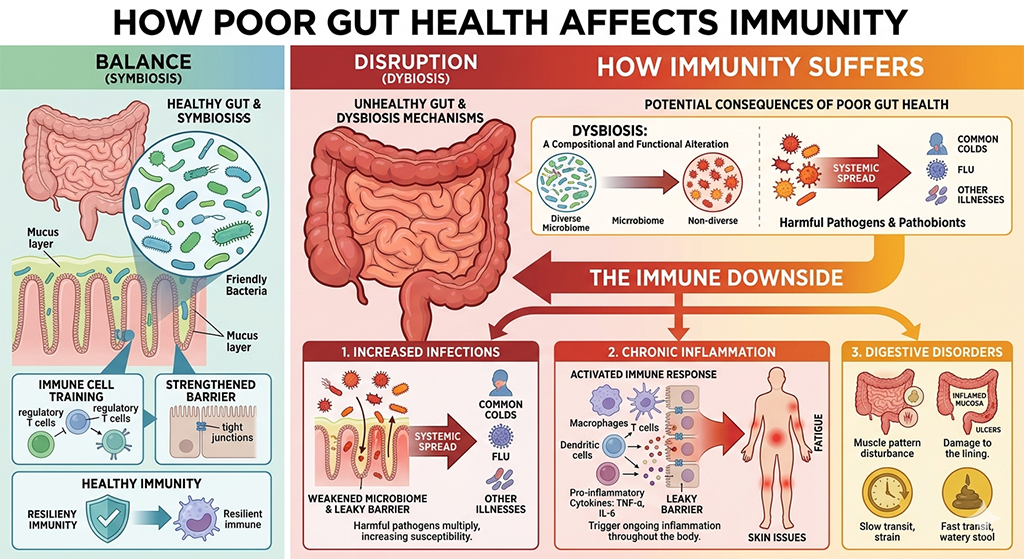
When the balance of gut bacteria becomes disrupted—a condition known as dysbiosis—the immune system may suffer.
Potential consequences include:
Increased infections
A weakened microbiome may allow harmful pathogens to multiply, increasing susceptibility to illness.
Chronic inflammation
An unhealthy gut can trigger ongoing inflammation throughout the body.
Digestive disorders
Poor gut health is associated with:
- Irritable bowel syndrome (IBS)
- Inflammatory bowel disease (IBD)
- Chronic constipation
- Diarrhea
Autoimmune conditions
Research suggests that gut imbalance may contribute to autoimmune diseases where the immune system mistakenly attacks healthy tissues.
Allergies and sensitivities
An unhealthy microbiome may increase the likelihood of food sensitivities and allergic reactions.
That’s why we have to all are have to boost or gut health and immune system naturally.
Signs of an unhealthy gut
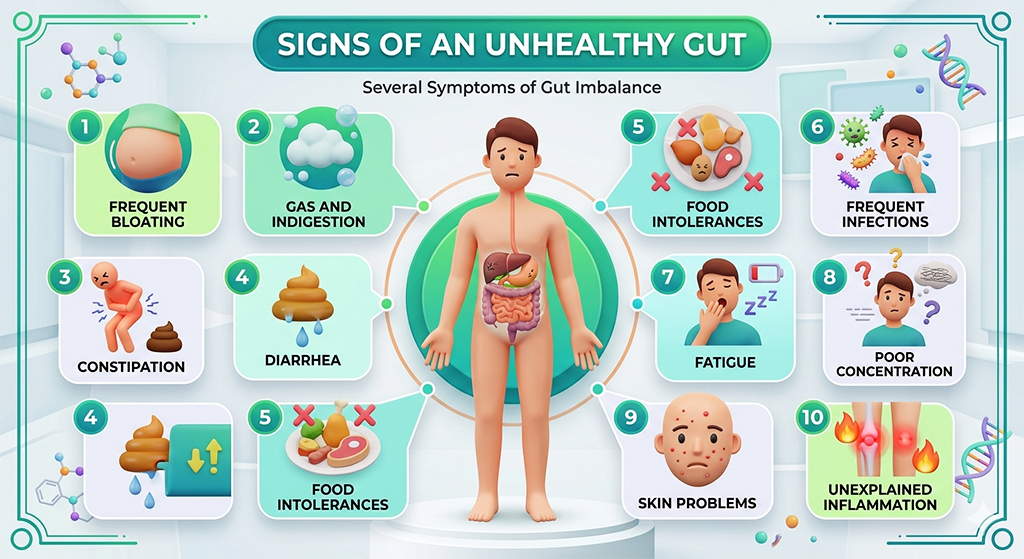
Several symptoms may indicate gut imbalance:
- Frequent bloating
- Gas and indigestion
- Constipation
- Diarrhea
- Food intolerances
- Frequent infections
- Fatigue
- Poor concentration
- Skin problems
- Unexplained inflammation
While these symptoms can have multiple causes, persistent digestive issues may signal underlying gut health concerns.
So that we have to boost or gut health and immune system naturally.
Foods that support gut health and immunity
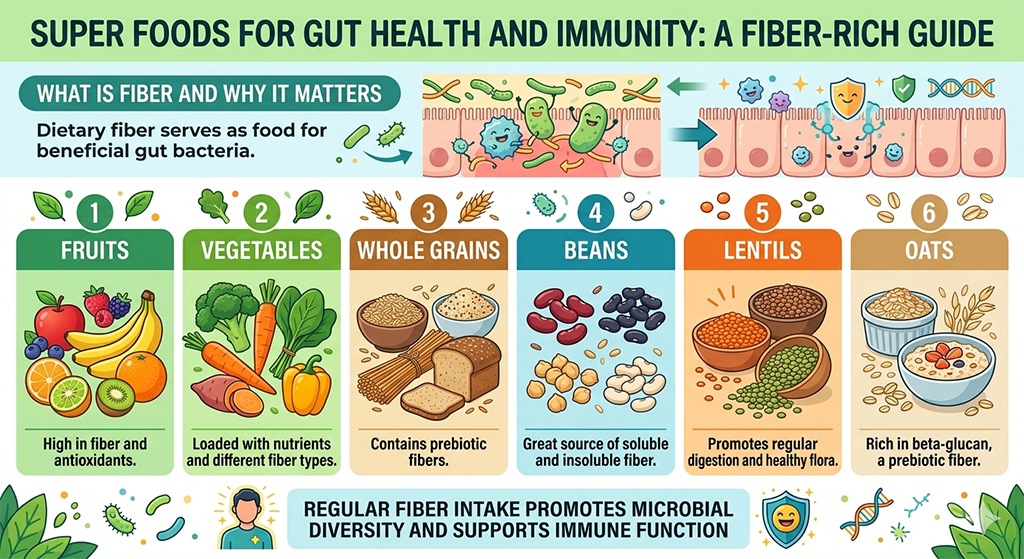
Fiber-rich foods
Dietary fiber serves as food for beneficial gut bacteria.
Excellent sources include:
- Fruits
- Vegetables
- Whole grains
- Beans
- Lentils
- Oats
Regular fiber intake promotes microbial diversity and supports immune function.
Fermented foods
Fermented foods naturally contain beneficial bacteria known as probiotics.
Examples include:
- Yogurt
- Kefir
- Sauerkraut
- Kimchi
- Miso
- Tempeh
These foods help replenish healthy gut microorganisms. So that we have to boost or gut health and immune system naturally.
Prebiotic foods
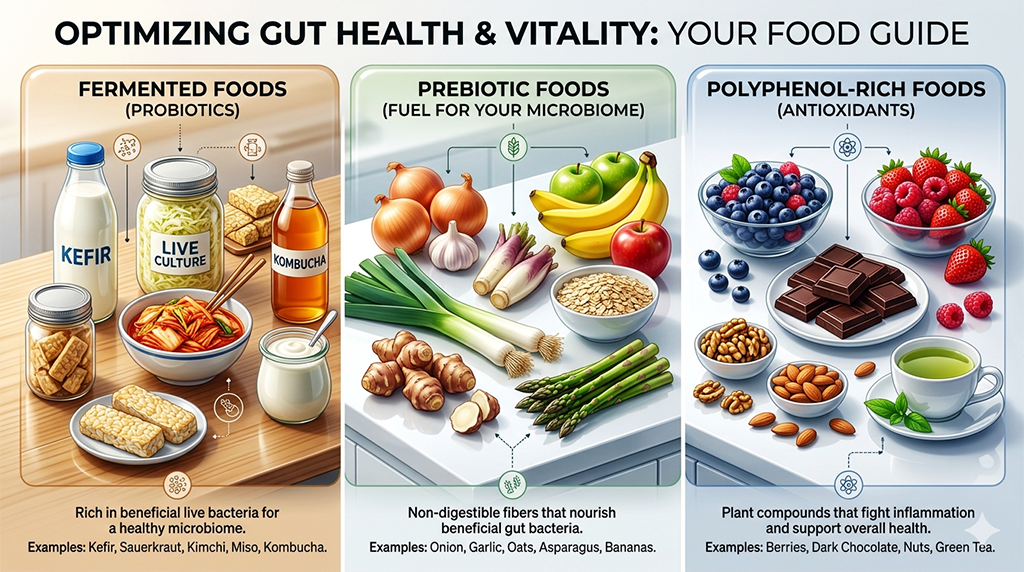
Prebiotics are fibers that nourish beneficial gut bacteria.
Good sources include:
- Garlic
- Onions
- Bananas
- Asparagus
- Leeks
- Chicory root
Prebiotics encourage the growth of beneficial microbes.
Polyphenol-rich foods
Polyphenols are plant compounds that support healthy gut bacteria.
Sources include:
- Berries
- Green tea
- Dark chocolate
- Olive oil
- Grapes
These compounds may help reduce inflammation and improve microbial balance. So that we have to balance our gut health and immune system naturally.
Lifestyle factors that influence gut health
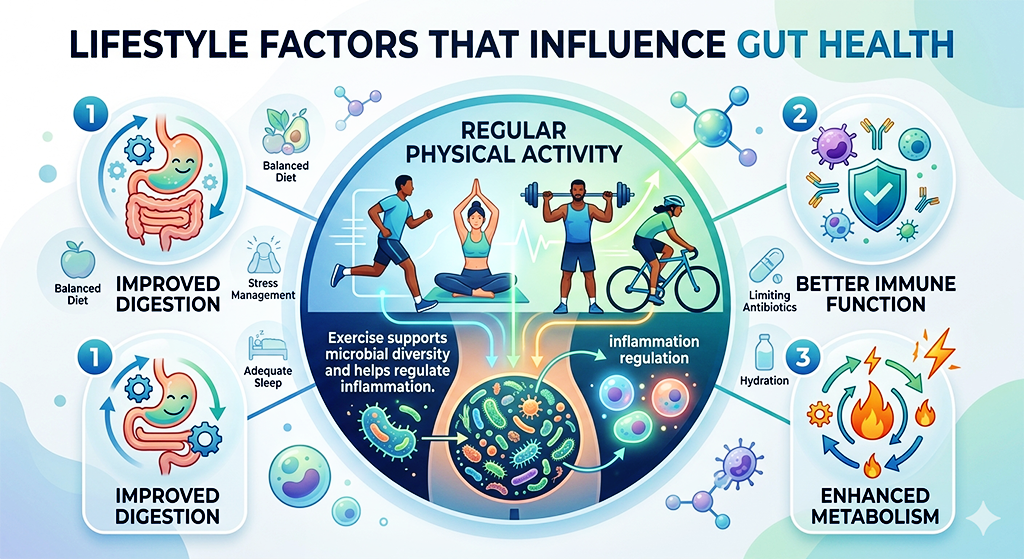
Regular physical activity
Exercise supports microbial diversity and helps regulate inflammation.
Benefits include:
- Improved digestion
- Better immune function
- Enhanced metabolism
Even moderate daily activity can positively impact gut health.
Quality sleep
Poor sleep can negatively affect both gut bacteria and immune responses.
So that we have to boost or gut health and immune system naturally.
Adults should aim for:
- 7–9 hours of quality sleep each night
Healthy sleep patterns support microbiome stability.
Stress management
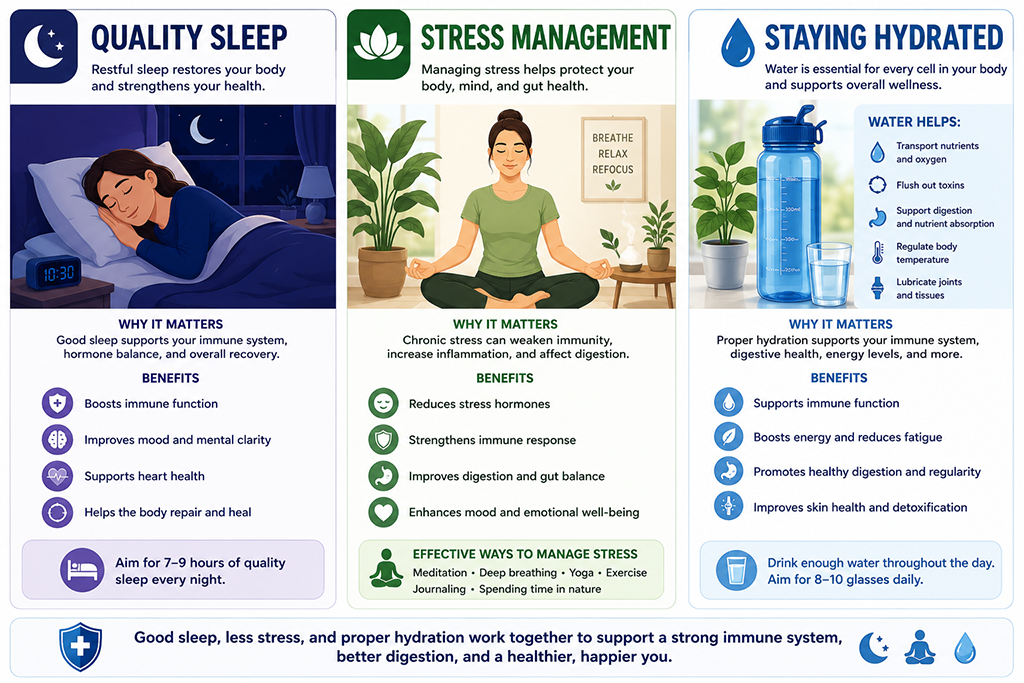
Chronic stress can disrupt the balance of gut bacteria and weaken immunity.
So that we have to balance the gut health and immunity.
Effective stress-management strategies include:
- Meditation
- Deep breathing exercises
- Yoga
- Walking in nature
- Mindfulness practices
Reducing stress helps maintain a healthy gut-brain connection.
Staying hydrated
Water supports digestion, nutrient absorption, and healthy bowel movements.
Adequate hydration contributes to:
- Improved gut function
- Better nutrient transport
- Reduced constipation
So that we have to improve our boost or gut health and immune system naturally.
The gut-brain-immune connection
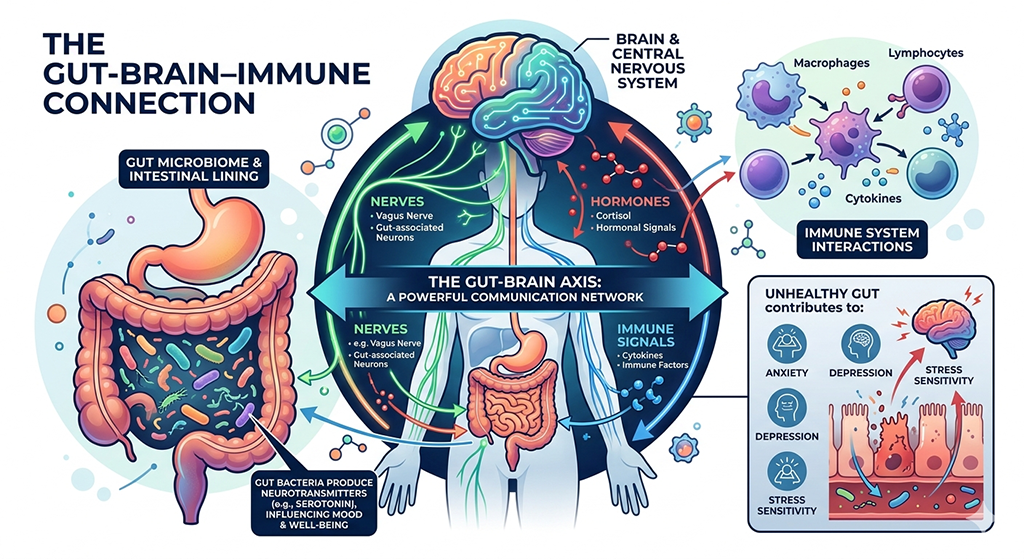
Scientists have identified a powerful communication network called the gut-brain axis.
The gut and brain communicate through:
- Nerves
- Hormones
- Immune signals
Interestingly, gut bacteria produce neurotransmitters such as serotonin, which influence mood and mental well-being.
An unhealthy gut may contribute to:
- Anxiety
- Depression
- Stress sensitivity
Because mental health affects immune function, maintaining a healthy gut may benefit both emotional and physical health.
So that naturally we have to boost our gut health and immune system naturally.
Can probiotics improve immunity?
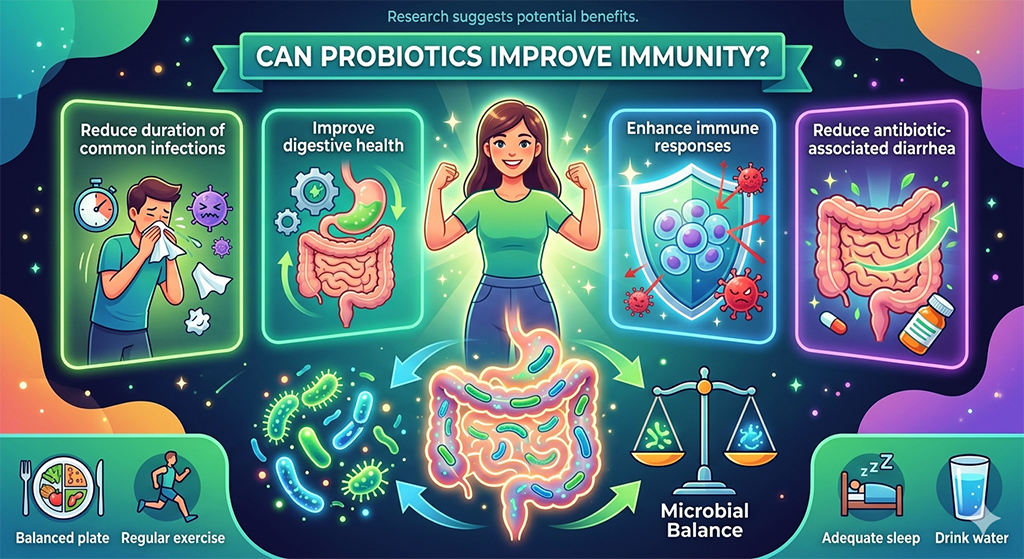
Probiotics are live beneficial microorganisms that may help restore microbial balance.
Research suggests that certain probiotic strains may:
- Reduce the duration of common infections
- Improve digestive health
- Enhance immune responses
- Reduce antibiotic-associated diarrhea
However, probiotics are not a substitute for a healthy diet and lifestyle. Their effectiveness varies depending on the strain and individual health conditions.
Practical tips for maintaining gut health
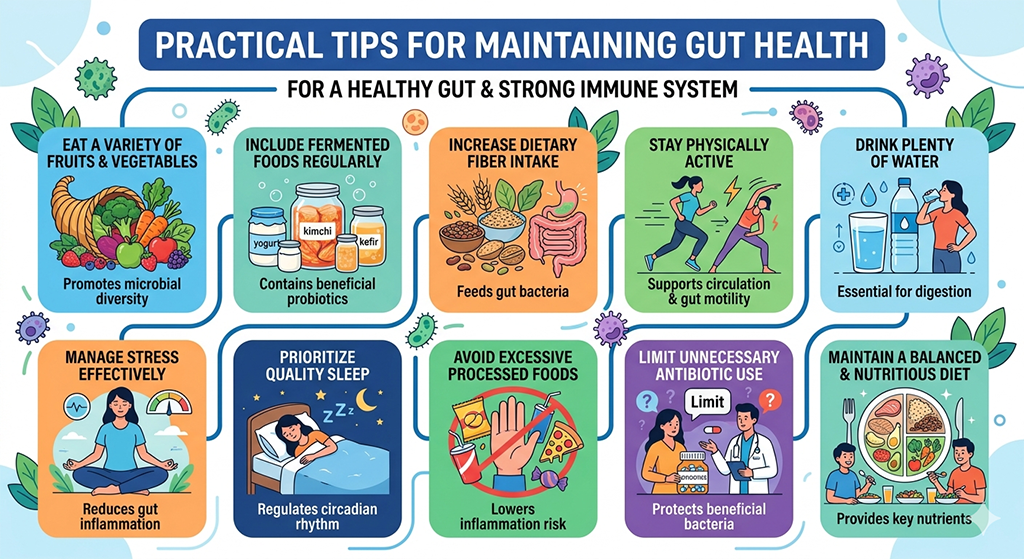
To support a healthy gut and strong immune system:
- Eat a variety of fruits and vegetables.
- Include fermented foods regularly.
- Increase dietary fiber intake.
- Stay physically active.
- Drink plenty of water.
- Manage stress effectively.
- Prioritize quality sleep.
- Avoid excessive processed foods.
- Limit unnecessary antibiotic use.
- Maintain a balanced and nutritious diet.
Small daily habits can significantly improve gut and immune health over time.
So that we we have know the importance of gut health and immunity.
Conclusion
The connection between gut health and immunity is one of the most important discoveries in modern health science. The gut microbiome influences immune responses, protects against harmful pathogens, regulates inflammation, and helps maintain overall wellness. Since a large portion of the immune system resides within the digestive tract, caring for gut health is essential for building strong immunity.
By consuming a fiber-rich diet, including fermented foods, staying physically active, managing stress, and prioritizing sleep, individuals can support a healthy gut microbiome and strengthen their body’s natural defenses. Investing in gut health is not only beneficial for digestion but also for long-term immune resilience, disease prevention, and overall quality of life.
Related Posts
Stay Informed With the Latest & Most Important News
Previous Post
Next Post













Advertisement

-
 01Boost your gut health and immune system naturally
 -
 02Regenerative Stem Cell Treatments in Orthopedics: A Complete Guide to Healing Joints, Bones, and Soft Tissues Naturally
 -
 03Can You Get Vitamin D3 During Sunrise or Sunset? A Scientific Guide
 -
 04Extraordinary Lasoda Glue Berry: Health Benefits, Nutrition, and Traditional Uses
 -
 05Country Eggs: Detailed Information, Nutrition, Benefits, Risks, and How They Compare With Farm Eggs
 -
 06Seasonal mushrooms and snake hole mushrooms: A complete guide
 -
 07The Ultimate Guide to Making Sesame Seed Milk: Recipe, Nutrition & Amazing Health Benefits
A WordPress Commenter
Hi, this is a comment.
To get started with moderating, editing, and deleting comments, please visit the Comments screen in the dashboard.
Commenter avatars come from Gravatar.