



Now Reading: Recognizing Early Symptoms of Diabetes and When to Seek Help
-
01
Recognizing Early Symptoms of Diabetes and When to Seek Help
Recognizing Early Symptoms of Diabetes and When to Seek Help


Diabetes is one of the most common chronic health conditions worldwide, affecting millions of people of all ages. It occurs when the body cannot properly regulate blood sugar (glucose) levels due to insufficient insulin production, ineffective insulin use, or both. Early detection is crucial because untreated diabetes can lead to serious complications affecting the heart, kidneys, eyes, nerves, and other organs.
Many people live with diabetes for months or even years without realizing it because the symptoms can develop gradually. Understanding the early warning signs can help individuals seek medical attention promptly, leading to better management and improved long-term health outcomes.
This article explores the early symptoms of diabetes, risk factors, potential complications, and when it is important to seek professional medical help.
What Is Diabetes?

Diabetes mellitus is a condition characterized by elevated blood glucose levels. The primary types include:
Type 1 Diabetes
This autoimmune condition occurs when the body’s immune system attacks insulin-producing cells in the pancreas. It often develops during childhood or adolescence but can occur at any age.
Type 2 Diabetes
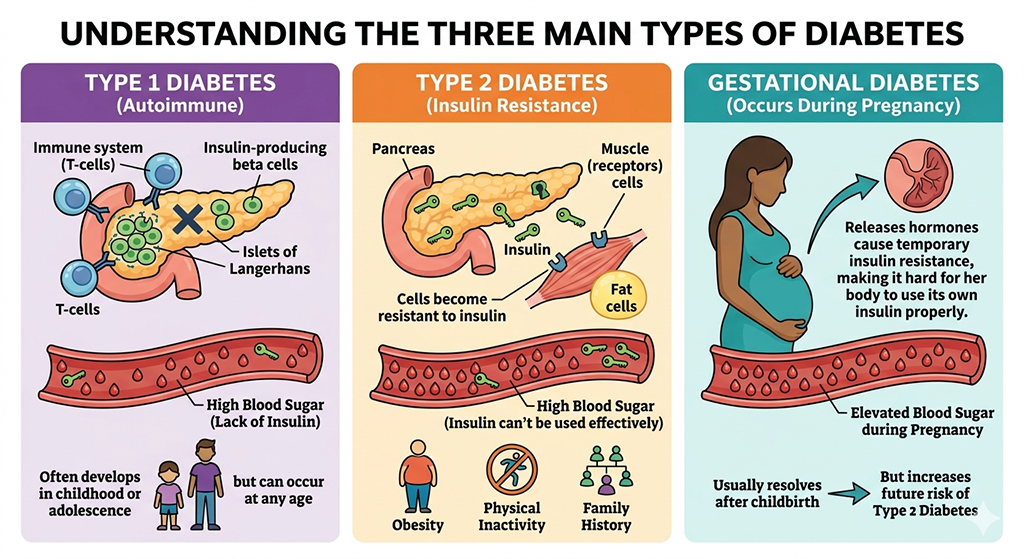
The most common form of diabetes, Type 2 develops when the body becomes resistant to insulin or does not produce enough insulin. It is often associated with lifestyle factors, obesity, and family history.
Gestational Diabetes
This type develops during pregnancy and usually resolves after childbirth. However, it increases the risk of developing Type 2 diabetes later in life.
Why Early Detection Matters
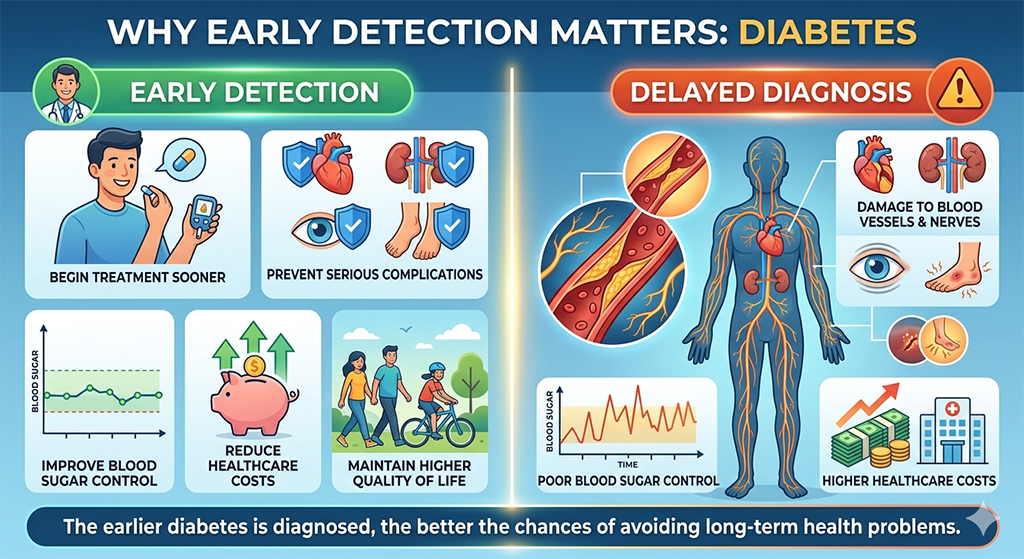
High blood sugar levels can damage blood vessels and nerves throughout the body. Identifying diabetes in its early stages allows individuals to:
- Begin treatment sooner
- Prevent serious complications
- Improve blood sugar control
- Reduce healthcare costs
- Maintain a higher quality of life
The earlier diabetes is diagnosed, the better the chances of avoiding long-term health problems.
Common Early Symptoms of Diabetes
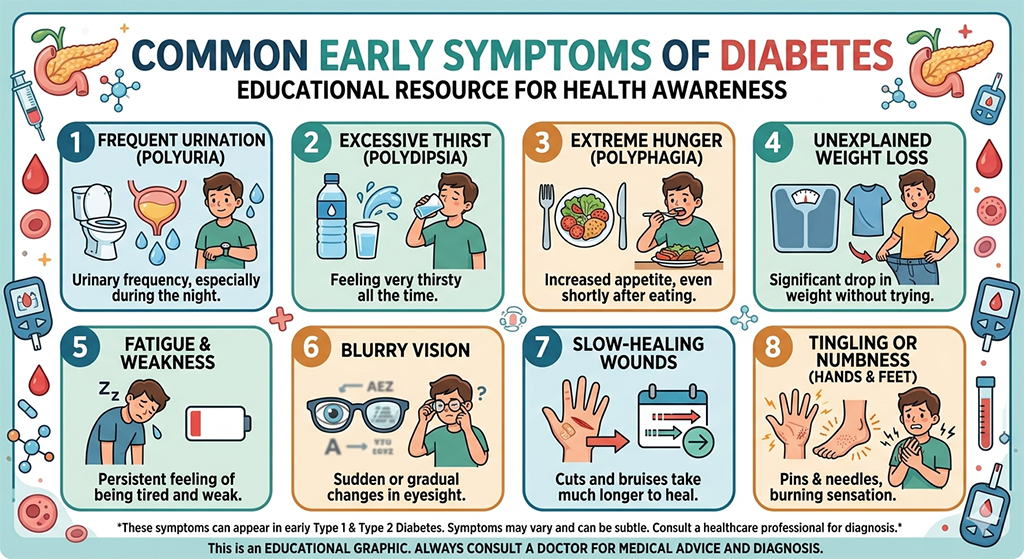
1. Frequent Urination (Polyuria)
One of the earliest and most noticeable symptoms of diabetes is frequent urination.
When blood sugar levels become too high, the kidneys work harder to remove excess glucose through urine. This causes increased urination, especially during the night.
Warning Signs:
- Urinating more often than usual
- Waking up multiple times during the night to use the bathroom
- Producing large amounts of urine
2. Excessive Thirst (Polydipsia)
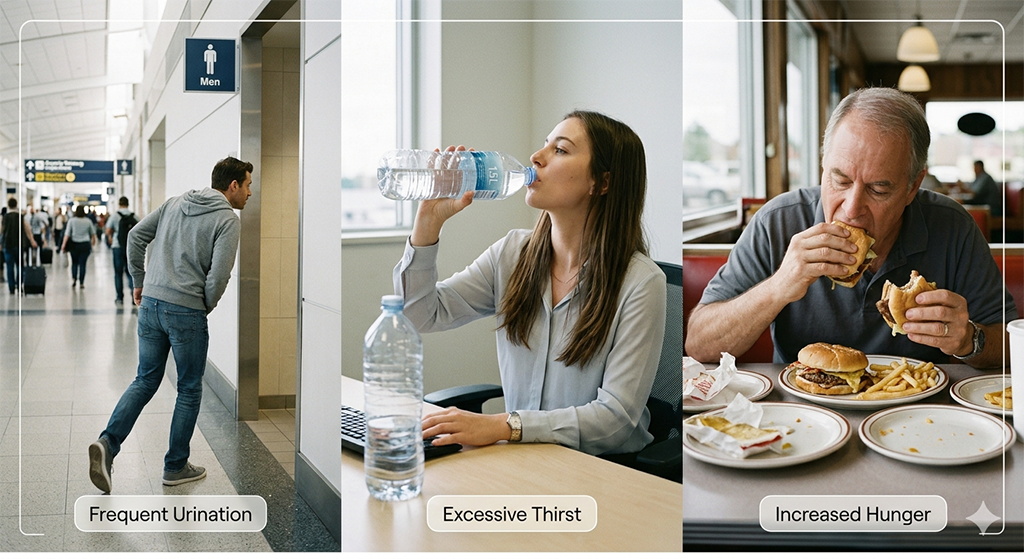
Frequent urination causes the body to lose more fluids, leading to dehydration and persistent thirst.
Individuals may feel the need to drink water constantly yet remain thirsty.
Warning Signs:
- Dry mouth
- Constant need for fluids
- Feeling thirsty despite drinking water regularly
3. Increased Hunger (Polyphagia)
Although glucose is present in the bloodstream, it cannot efficiently enter the body’s cells without proper insulin function.
As a result, cells lack energy, causing excessive hunger.
Warning Signs:
- Feeling hungry shortly after meals
- Increased appetite
- Craving sugary foods
4. Unexplained Weight Loss
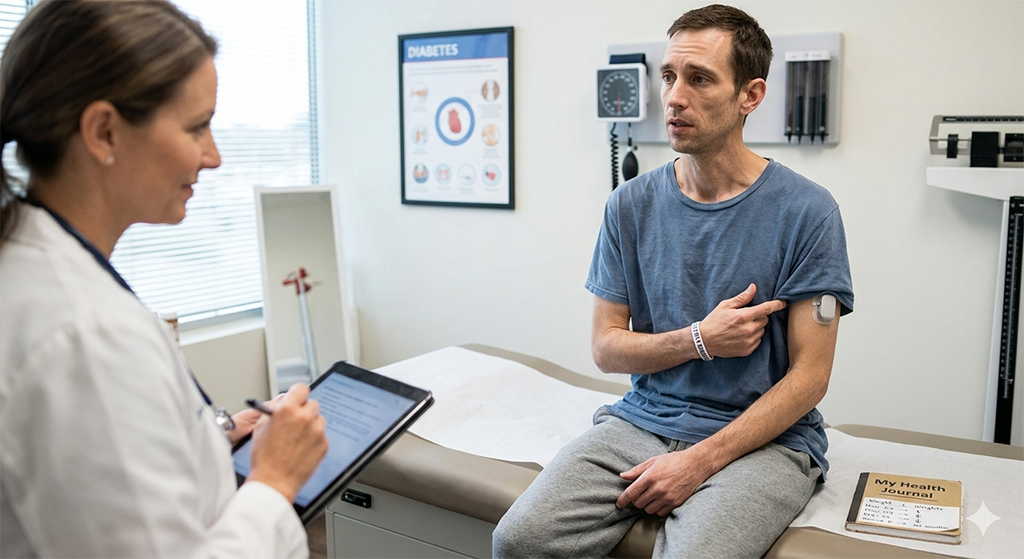
Unexpected weight loss can be an early symptom, especially in Type 1 diabetes.
Since cells cannot access glucose for energy, the body begins breaking down fat and muscle tissue.
Warning Signs:
- Rapid weight loss without dieting
- Loss of muscle mass
- Reduced body strength
5. Fatigue and Low Energy

When glucose cannot properly enter cells, the body struggles to generate energy efficiently.
This can result in persistent tiredness even after adequate rest.
Warning Signs:
- Feeling exhausted throughout the day
- Difficulty concentrating
- Reduced physical stamina
6. Blurred Vision

High blood sugar levels can affect fluid balance in the eyes, causing the lens to swell temporarily.
This may lead to blurry vision and difficulty focusing.
Warning Signs:
- Sudden vision changes
- Difficulty reading
- Eye strain
- Frequent changes in eyeglass prescriptions
7. Slow-Healing Wounds

Elevated blood sugar can impair circulation and weaken the body’s ability to heal.
Cuts, scrapes, and bruises may take much longer to recover.
Warning Signs:
- Persistent wounds
- Frequent skin infections
- Delayed healing after minor injuries
8. Frequent Infections

Diabetes can weaken the immune system, making the body more susceptible to infections.
Common Infections:
- Skin infections
- Urinary tract infections (UTIs)
- Gum infections
- Yeast infections
Repeated infections may indicate underlying blood sugar problems.
9. Tingling or Numbness in Hands and Feet

High blood sugar can damage nerves, a condition known as diabetic neuropathy.
Although more common in advanced diabetes, mild nerve symptoms can appear early.
Warning Signs:
- Tingling sensations
- Burning pain
- Numbness in fingers or toes
- Increased sensitivity to touch
10. Darkened Skin Patches

Some people with Type 2 diabetes develop areas of dark, velvety skin called acanthosis nigricans.
These patches commonly appear on:
- Neck
- Armpits
- Groin
- Elbows
This can be an early indicator of insulin resistance.
Symptoms That Require Immediate Medical Attention
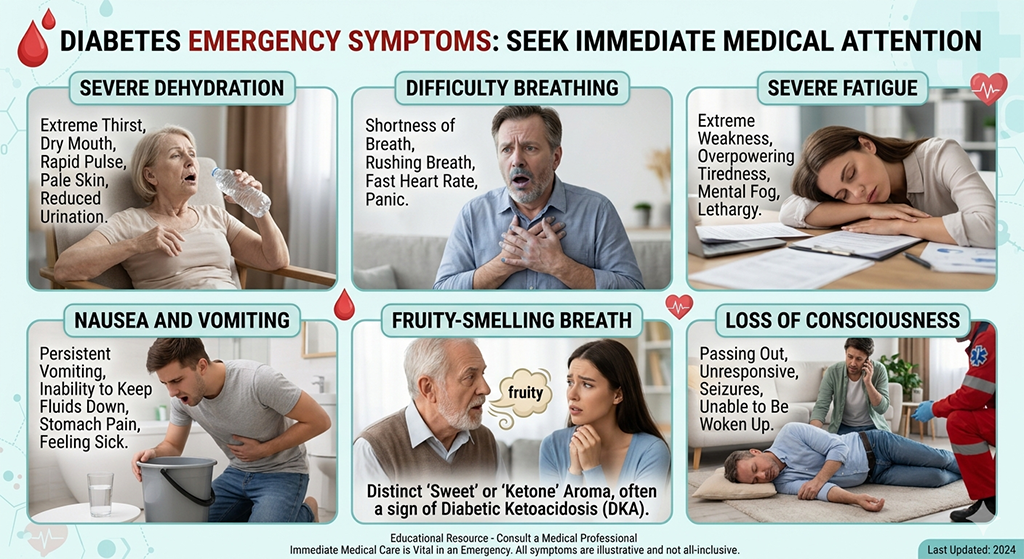
Certain symptoms may indicate dangerously high blood sugar levels or diabetic emergencies.
Seek urgent medical care if you experience:
Severe Dehydration
- Extreme thirst
- Dizziness
- Confusion
Difficulty Breathing
- Rapid breathing
- Shortness of breath
Severe Fatigue
- Extreme weakness
- Inability to stay awake
Nausea and Vomiting
- Persistent vomiting
- Inability to keep fluids down
Fruity-Smelling Breath
This can indicate diabetic ketoacidosis (DKA), a serious emergency often associated with Type 1 diabetes.
Loss of Consciousness
Immediate emergency care is required.
Risk Factors for Diabetes

Some individuals have a higher likelihood of developing diabetes.
Major Risk Factors Include:
- Family history of diabetes
- Being overweight or obese
- Physical inactivity
- High blood pressure
- High cholesterol levels
- Age over 45 years
- History of gestational diabetes
- Polycystic ovary syndrome (PCOS)
- Smoking
- Poor dietary habits
People with multiple risk factors should undergo regular screening.
How Diabetes Is Diagnosed
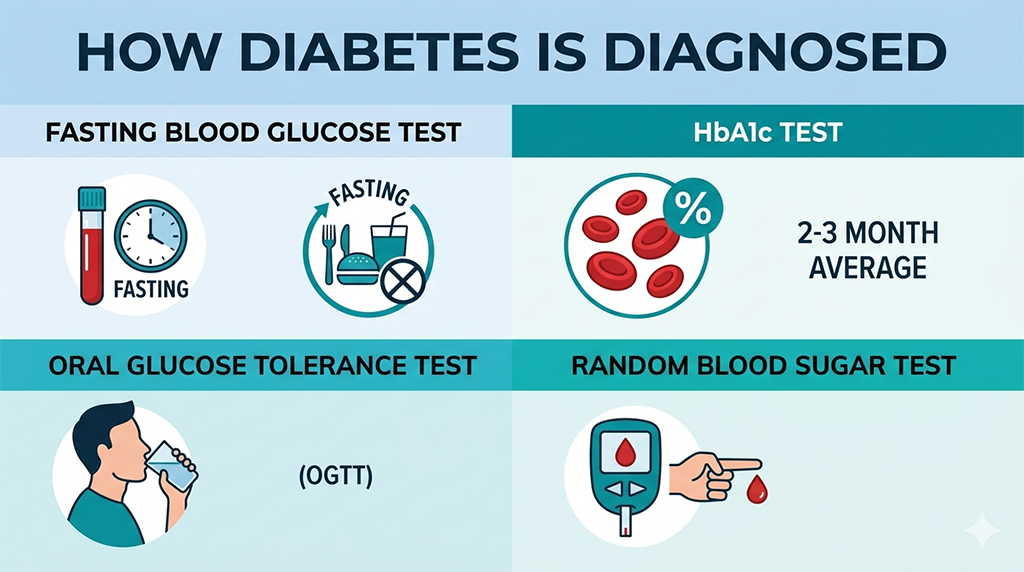
Healthcare providers use several tests to diagnose diabetes.
Fasting Blood Glucose Test
Measures blood sugar after fasting for at least eight hours.
HbA1c Test
Measures average blood sugar levels over the previous two to three months.
Oral Glucose Tolerance Test (OGTT)
Assesses how the body processes glucose after consuming a sugary drink.
Random Blood Sugar Test
Measures blood glucose at any time of day.
Early testing is particularly important for individuals experiencing symptoms or possessing risk factors.
Preventing Type 2 Diabetes
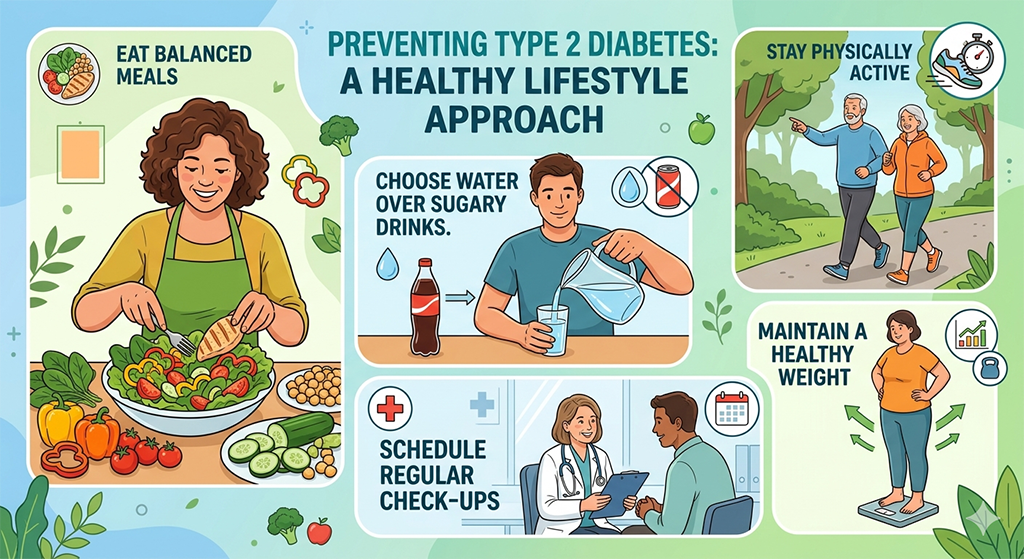
While Type 1 diabetes cannot currently be prevented, many cases of Type 2 diabetes can be delayed or prevented through healthy lifestyle choices.
Maintain a Healthy Weight
Even modest weight loss can significantly reduce risk.
Exercise Regularly
Aim for at least 150 minutes of moderate physical activity each week.
Eat a Balanced Diet
Focus on:
- Fruits
- Vegetables
- Whole grains
- Lean proteins
- Healthy fats
Limit:
- Sugary beverages
- Processed foods
- Excessive refined carbohydrates
Stay Hydrated
Proper hydration supports overall metabolic health.
Avoid Smoking
Smoking increases the risk of insulin resistance and cardiovascular disease.
Schedule Regular Checkups
Routine health screenings can identify elevated blood sugar before symptoms become severe.
When Should You See a Doctor?
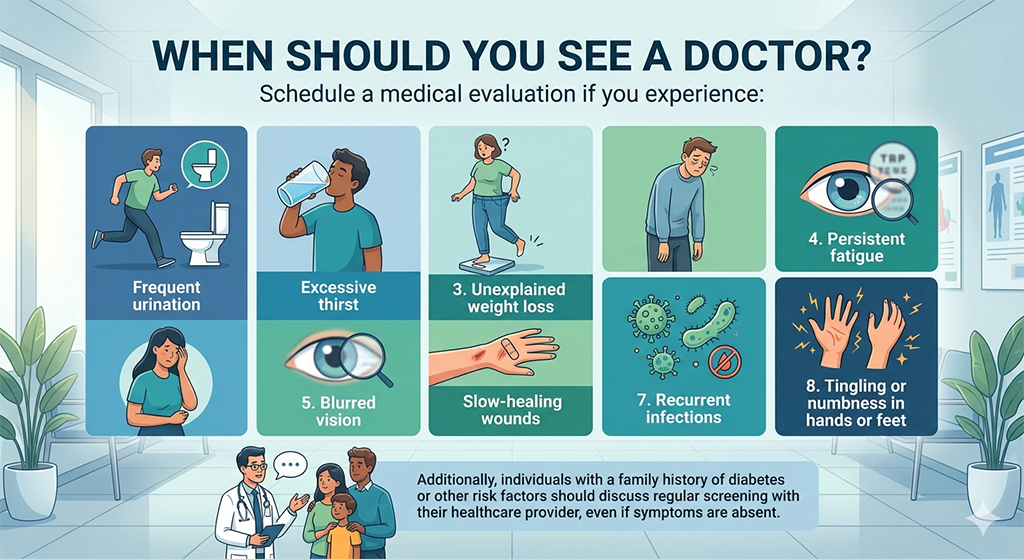
You should schedule a medical evaluation if you experience:
- Frequent urination
- Excessive thirst
- Unexplained weight loss
- Persistent fatigue
- Blurred vision
- Slow-healing wounds
- Recurrent infections
- Tingling or numbness in hands or feet
Additionally, individuals with a family history of diabetes or other risk factors should discuss regular screening with their healthcare provider, even if symptoms are absent.
Understanding Blood Sugar Levels: Prediabetes, Diabetes, and Advanced Diabetes
Many people are confused about what blood sugar numbers indicate normal health, prediabetes, diabetes, or poorly controlled (advanced) diabetes. Healthcare providers use several laboratory tests to evaluate blood glucose control.
1. Fasting Blood Sugar (FBS)
This test measures blood glucose after fasting for at least 8 hours.
| Category | Fasting Blood Sugar |
|---|---|
| Normal | Less than 100 mg/dL |
| Prediabetes | 100–125 mg/dL |
| Diabetes | 126 mg/dL or higher (on two separate tests) |
| Poorly Controlled/Advanced Diabetes | Often above 180 mg/dL |
Example
- 90 mg/dL = Normal
- 110 mg/dL = Prediabetes
- 130 mg/dL = Diabetes
- 220 mg/dL = Significantly elevated and requires medical attention
2. HbA1c (Average Blood Sugar Over 2–3 Months)
The HbA1c test measures the percentage of glucose attached to hemoglobin in red blood cells.
| Category | HbA1c Level |
|---|---|
| Normal | Below 5.7% |
| Prediabetes | 5.7%–6.4% |
| Diabetes | 6.5% or higher |
| Poorly Controlled/Advanced Diabetes | Above 8.0% |
| Very High Risk of Complications | Above 10% |
Example
- 5.4% = Normal
- 6.0% = Prediabetes
- 7.2% = Diabetes
- 9.5% = Poorly controlled diabetes
- 12% = Very severe uncontrolled diabetes
3. Post-Meal Blood Sugar (PPBS)
This test is measured approximately 2 hours after eating.
| Category | 2-Hour Post-Meal Blood Sugar |
|---|---|
| Normal | Less than 140 mg/dL |
| Prediabetes | 140–199 mg/dL |
| Diabetes | 200 mg/dL or higher |
| Poorly Controlled/Advanced Diabetes | Frequently above 250–300 mg/dL |
Example
- 120 mg/dL = Normal
- 160 mg/dL = Prediabetes
- 220 mg/dL = Diabetes
- 320 mg/dL = Very high and potentially dangerous
4. Random Blood Sugar
This test can be taken at any time regardless of meals.
| Category | Random Blood Sugar |
|---|---|
| Normal | Usually below 140 mg/dL |
| Prediabetes | May be 140–199 mg/dL |
| Diabetes | 200 mg/dL or higher with symptoms |
| Severe Uncontrolled Diabetes | Above 300 mg/dL |
Blood Sugar Targets for People With Diabetes
Most adults with diabetes are advised to maintain:
| Test | Recommended Target |
|---|---|
| Fasting Blood Sugar | 80–130 mg/dL |
| 2-Hour Post-Meal | Less than 180 mg/dL |
| HbA1c | Below 7% |
Targets may vary based on age, overall health, and individual medical conditions.
Warning Signs of Advanced or Poorly Controlled Diabetes
Seek medical advice promptly if blood sugar levels remain high and you experience:
- Excessive thirst
- Frequent urination
- Unexplained weight loss
- Blurred vision
- Persistent fatigue
- Slow-healing wounds
- Recurrent infections
- Tingling or numbness in hands and feet
Emergency Blood Sugar Levels
Seek urgent medical attention if:
- Blood sugar exceeds 300 mg/dL repeatedly.
- Blood sugar exceeds 400 mg/dL at any time.
- You experience confusion, severe weakness, vomiting, difficulty breathing, or loss of consciousness.
These symptoms may indicate serious complications such as Diabetic Ketoacidosis or Hyperosmolar Hyperglycemic State.
Quick Reference Summary
| Category | Fasting (mg/dL) | HbA1c (%) | Post-Meal (mg/dL) |
|---|---|---|---|
| Normal | <100 | <5.7 | <140 |
| Prediabetes | 100–125 | 5.7–6.4 | 140–199 |
| Diabetes | ≥126 | ≥6.5 | ≥200 |
| Poorly Controlled Diabetes | >180 | >8.0 | >250 |
| Severe/Advanced Diabetes | >250 | >10 | >300 |
These values are general diagnostic guidelines. A healthcare professional should interpret them alongside symptoms, medical history, and other test results.
Conclusion
Diabetes often develops gradually, and its early symptoms can be easy to overlook. Frequent urination, excessive thirst, fatigue, increased hunger, blurred vision, slow-healing wounds, and unexplained weight loss are among the most common warning signs. Recognizing these symptoms early and seeking timely medical attention can help prevent serious complications and improve long-term health outcomes.
Regular health screenings, a balanced diet, physical activity, and awareness of risk factors play an essential role in both the prevention and early detection of diabetes. If you notice any concerning symptoms, consult a healthcare professional promptly for proper evaluation and guidance.
Related Posts


Stay Informed With the Latest & Most Important News
Previous Post
Next Post









Advertisement

-
 01Boost your gut health and immune system naturally
 -
 02Extraordinary Lasoda Glue Berry: Health Benefits, Nutrition, and Traditional Uses
 -
 03Seasonal mushrooms and snake hole mushrooms: A complete guide
 -
 04Ozone (O₃) Injection for Disc Bulge: A Complete Guide to Ozone Discolysis
 -
 05Regenerative Stem Cell Treatments in Orthopedics: A Complete Guide to Healing Joints, Bones, and Soft Tissues Naturally
 -
 06Can an L4-L5 Disc Prolapse Regenerate? The Truth About Spine Regeneration and Modern Treatments
 -
 07Electro Dry Needling for L4-L5 Disc Bulge: A Comprehensive Guide