

Now Reading: How regular physical activity reduces risk of chronic diseases
-
01
How regular physical activity reduces risk of chronic diseases
How regular physical activity reduces risk of chronic diseases

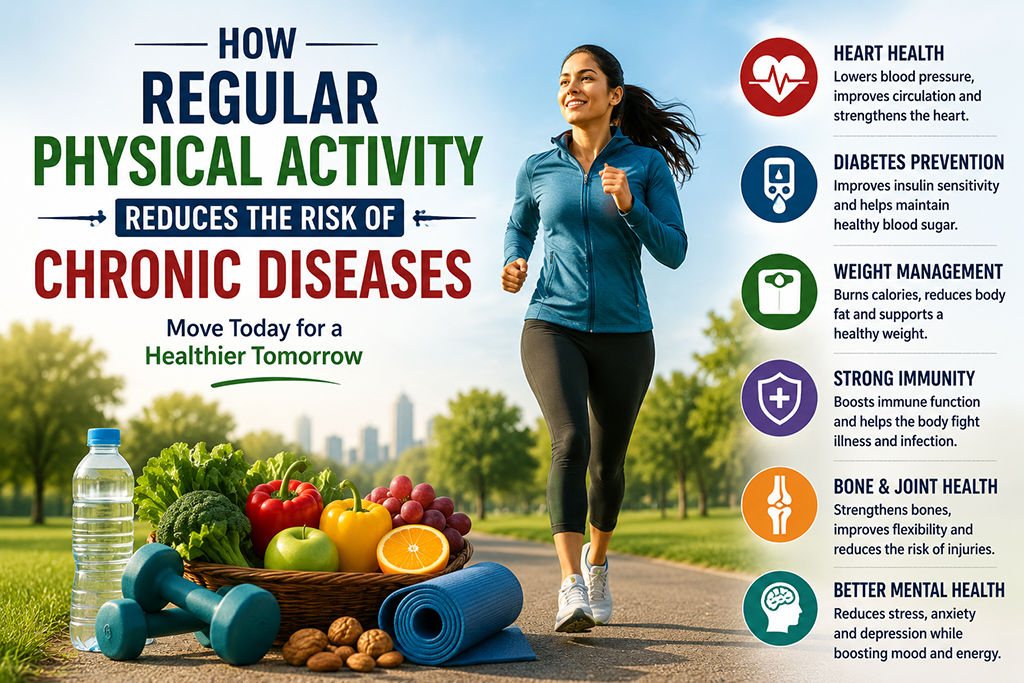
Physical activity reduces risk of chronic diseases regular physical activity is one of the most effective ways to improve overall health and reduce the risk of chronic diseases. While modern lifestyles often involve long hours of sitting and limited movement, the human body is designed to be active. Exercise not only helps maintain a healthy weight but also supports the proper functioning of the heart, lungs, muscles, bones, and immune system.
Chronic diseases such as heart disease, type 2 diabetes, obesity, high blood pressure, certain cancers, and osteoporosis are among the leading causes of illness and death worldwide. Fortunately, many of these conditions can be prevented or managed through regular physical activity.
The good news is that you do not need to become a professional athlete to experience health benefits. Simple activities such as walking, cycling, swimming, gardening, dancing, or playing sports can significantly improve your health when performed consistently.
This article explores how regular physical activity helps reduce the risk of chronic diseases and why making movement a daily habit is one of the best investments you can make for your long-term health.
What Is Physical Activity?

Physical activity refers to any movement of the body that requires energy expenditure. It includes both structured exercise and everyday activities.
Examples include:
- Walking
- Running
- Cycling
- Swimming
- Dancing
- Gardening
- Household chores
- Sports and recreational activities
- Strength training exercises
Health experts generally recommend at least 150 minutes of moderate-intensity physical activity per week for adults, along with muscle-strengthening activities on two or more days each week.
Understanding the risk of chronic diseases
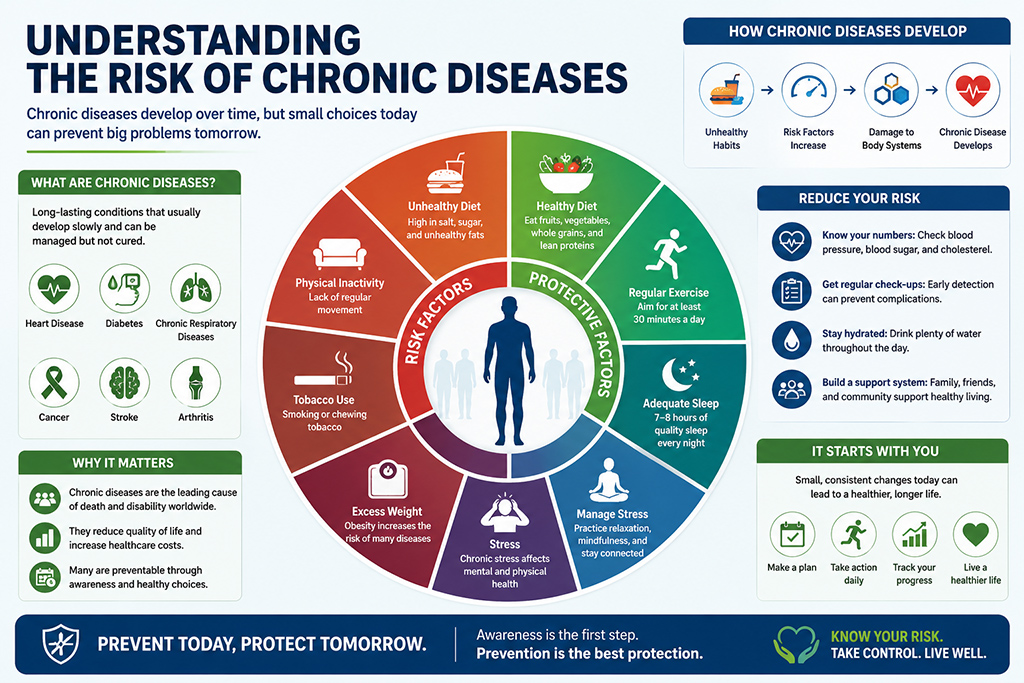
Chronic diseases are long-term health conditions that often develop gradually and can persist for years or even a lifetime.
Common chronic diseases include:
- Heart disease
- Stroke
- Type 2 diabetes
- High blood pressure
- Obesity
- Osteoporosis
- Arthritis
- Chronic respiratory diseases
- Certain cancers
Many chronic diseases share common risk factors, including physical inactivity, unhealthy diets, smoking, excessive alcohol consumption, and obesity.
Regular exercise directly addresses many of these risk factors and plays a crucial role in disease prevention.
Physical Activity and Heart Disease Prevention
Heart disease remains one of the leading causes of death worldwide. Fortunately, regular exercise is one of the most effective ways to protect heart health.
How Exercise Benefits the Heart
Physical activity helps:
- Strengthen the heart muscle
- Improve blood circulation
- Lower blood pressure
- Increase healthy HDL cholesterol
- Reduce unhealthy LDL cholesterol
- Improve blood vessel function
When the heart becomes stronger, it pumps blood more efficiently throughout the body, reducing strain on the cardiovascular system.
Reduced Risk of Heart Attacks and Stroke
Studies consistently show that physically active individuals have a lower risk of heart attacks and strokes compared to inactive individuals.
Even moderate activities such as brisk walking can significantly reduce cardiovascular risk over time.
Physical Activity and Type 2 Diabetes Prevention
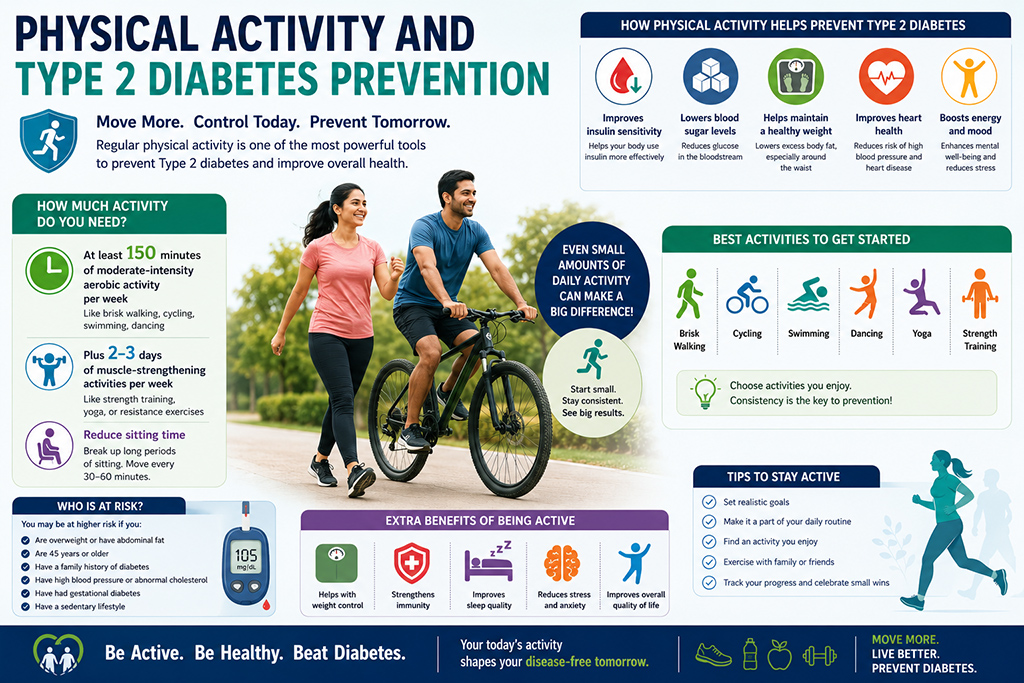
Type 2 diabetes occurs when the body becomes resistant to insulin or cannot use insulin effectively.
Improved Blood Sugar Control
Regular physical activity helps muscles use glucose more efficiently. This reduces blood sugar levels and improves insulin sensitivity.
Benefits include:
- Better glucose control
- Reduced insulin resistance
- Lower risk of developing diabetes
- Improved diabetes management
Weight Management
Excess body weight is a major risk factor for type 2 diabetes.
Exercise helps:
- Burn calories
- Increase metabolism
- Reduce body fat
- Maintain a healthy weight
These effects significantly reduce diabetes risk.
Physical Activity and High Blood Pressure
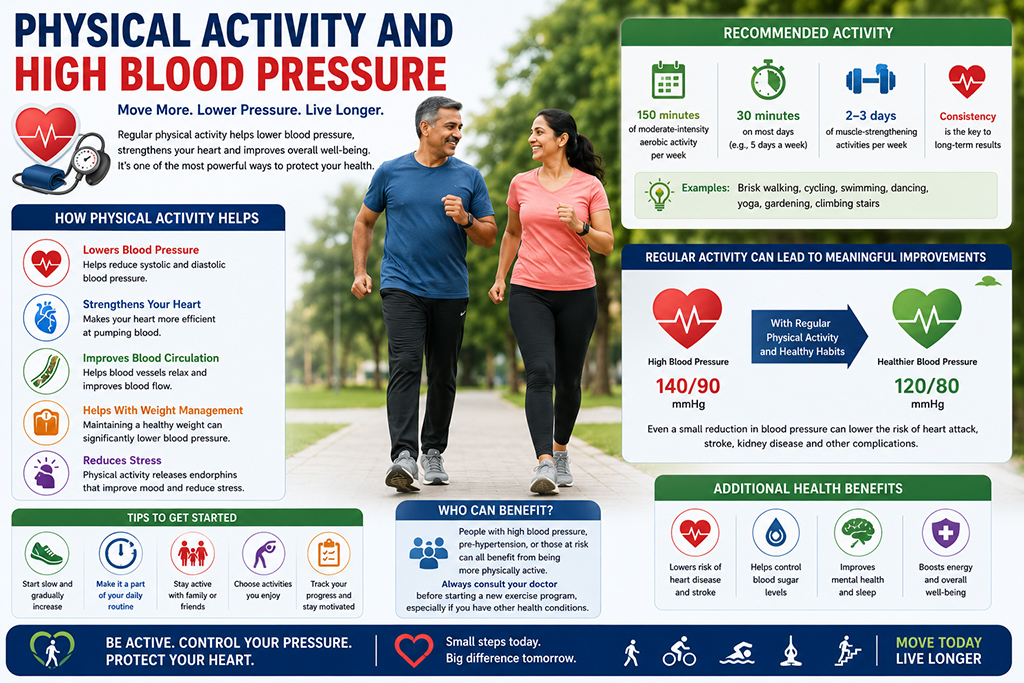
High blood pressure, also known as hypertension, often develops without noticeable symptoms. Over time, it can damage blood vessels and increase the risk of heart disease and stroke.
Natural Blood Pressure Reduction
Regular exercise helps:
- Improve circulation
- Strengthen the heart
- Reduce arterial stiffness
- Lower resting blood pressure
Many individuals experience measurable improvements in blood pressure after adopting a consistent exercise routine.
Stress Reduction
Physical activity also reduces stress hormones, which can contribute to elevated blood pressure.
Activities such as walking, yoga, swimming, and cycling are particularly beneficial.
Physical Activity and Obesity Prevention
Obesity is linked to numerous chronic diseases, including diabetes, heart disease, sleep apnea, and certain cancers.
Calorie Balance
Weight gain occurs when calorie intake consistently exceeds calorie expenditure.
Exercise helps create a healthier energy balance by increasing calorie burn.
Preserving Lean Muscle Mass
Strength training helps build and maintain muscle tissue.
More muscle mass contributes to:
- Higher metabolism
- Improved body composition
- Better long-term weight management
Supporting Healthy Habits
People who exercise regularly are often more likely to adopt other healthy behaviors, including nutritious eating and adequate sleep.
Physical Activity and Cancer Risk Reduction
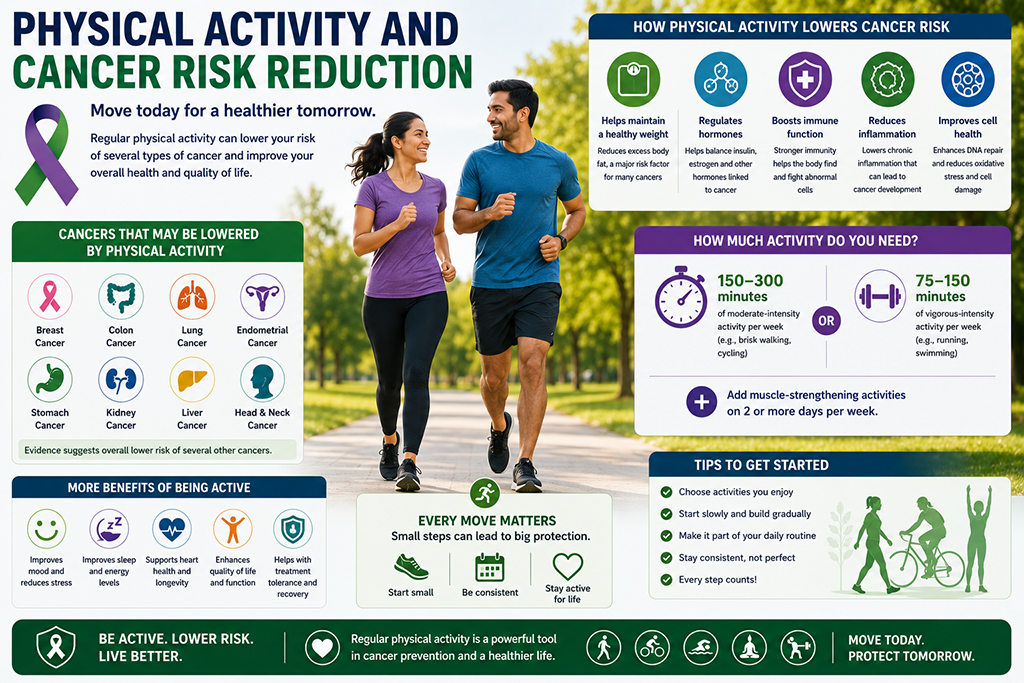
Research suggests that regular physical activity may lower the risk of several types of cancer.
Cancers Associated with Physical Activity Benefits
Exercise may help reduce the risk of:
- Colon cancer
- Breast cancer
- Endometrial cancer
- Lung cancer
- Prostate cancer
Why Exercise Helps
Potential mechanisms include:
- Reduced inflammation
- Improved immune function
- Better hormone regulation
- Weight management
- Enhanced cellular repair processes
Although exercise cannot eliminate cancer risk entirely, it can contribute significantly to prevention.
Physical Activity and Bone Health
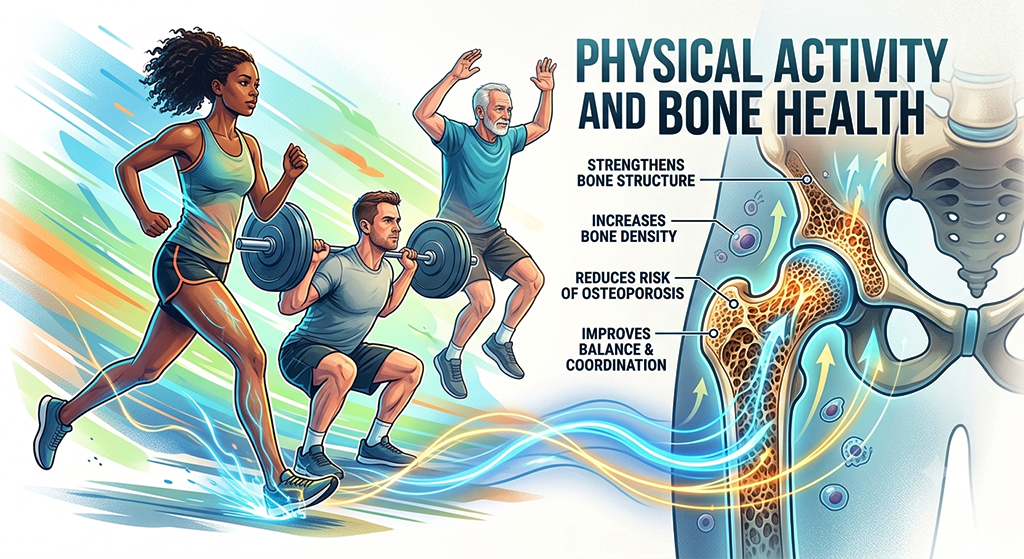
Bone health becomes increasingly important as people age.
Preventing Osteoporosis
Osteoporosis causes bones to become weak and fragile.
Weight-bearing activities such as:
- Walking
- Hiking
- Dancing
- Strength training
stimulate bone formation and help maintain bone density.
Improved Balance and Coordination
Exercise enhances balance, flexibility, and coordination, reducing the risk of falls and fractures.
This is especially important for older adults.
Physical Activity and Joint Health
Many people mistakenly believe exercise worsens joint problems. In reality, appropriate physical activity often improves joint health.
Benefits for Arthritis
Exercise can:
- Reduce joint stiffness
- Strengthen supporting muscles
- Improve flexibility
- Decrease pain
- Enhance mobility
Low-impact activities such as swimming and cycling are particularly beneficial for individuals with arthritis.
Physical Activity and Mental Health

Mental health and physical health are closely connected.
Reduced Stress and Anxiety
Exercise triggers the release of endorphins, often called “feel-good” chemicals.
Benefits include:
- Reduced stress
- Improved mood
- Better emotional well-being
- Increased resilience
Lower Risk of Depression
Regular physical activity has been shown to reduce symptoms of depression and improve overall mental health.
Better Sleep Quality
Exercise supports healthier sleep patterns, which further benefits both physical and mental health.
Physical Activity and Immune Function
A healthy immune system helps protect the body from infections and diseases.
Moderate physical activity may:
- Improve immune surveillance
- Reduce chronic inflammation
- Enhance circulation of immune cells
- Support overall health resilience
Combined with proper nutrition and sleep, exercise strengthens the body’s natural defense systems.
Recommended Types of Physical Activity
Aerobic Exercise
Examples include:
- Walking
- Running
- Swimming
- Cycling
- Dancing
Benefits:
- Heart health
- Weight management
- Improved endurance
Strength Training
Examples include:
- Weight lifting
- Resistance bands
- Bodyweight exercises
Benefits:
- Muscle strength
- Bone health
- Improved metabolism
Flexibility Exercises
Examples include:
- Stretching
- Yoga
Benefits:
- Improved mobility
- Reduced injury risk
Balance Exercises
Examples include:
- Tai Chi
- Single-leg stands
Benefits:
- Fall prevention
- Better coordination
Tips for Making Physical Activity a Daily Habit
Start Small
Begin with short sessions and gradually increase duration and intensity.
Choose Activities You Enjoy
Enjoyable activities are easier to maintain long-term.
Set Realistic Goals
Achievable goals help build confidence and consistency.
Stay Active Throughout the Day
Simple habits can make a difference:
- Taking the stairs
- Walking during breaks
- Gardening
- Playing with children
Track Your Progress
Monitoring activity levels can help maintain motivation.
Frequently Asked Questions
How much exercise do adults need?
Most adults should aim for at least 150 minutes of moderate-intensity aerobic activity each week.
Can walking reduce chronic disease risk?
Yes. Regular brisk walking can improve heart health, support weight management, and reduce the risk of several chronic diseases.
Is exercise beneficial for older adults?
Absolutely. Physical activity helps maintain strength, balance, mobility, and independence as people age.
Can exercise help manage existing chronic diseases?
Yes. Many chronic conditions, including diabetes, hypertension, and arthritis, can be better managed with regular physical activity.
What is the best exercise for disease prevention?
A combination of aerobic exercise, strength training, flexibility exercises, and balance activities provides the greatest overall health benefits.
Is it ever too late to start exercising?
No. People of all ages can experience significant health improvements from becoming more physically active.
Conclusion
Regular physical activity is one of the most powerful tools available for preventing chronic diseases and improving overall well-being. From protecting heart health and controlling blood sugar to strengthening bones and enhancing mental health, the benefits of exercise affect nearly every system in the body.
The key is consistency rather than perfection. Small daily actions, such as walking more, taking the stairs, gardening, or participating in recreational activities, can lead to substantial health improvements over time.
By making physical activity a regular part of life, individuals can lower their risk of chronic diseases, enjoy greater energy, maintain independence, and improve their quality of life for years to come.
Related Posts



Stay Informed With the Latest & Most Important News
Previous Post
Next Post








Advertisement

-
 01Boost your gut health and immune system naturally
 -
 02Extraordinary Lasoda Glue Berry: Health Benefits, Nutrition, and Traditional Uses
 -
 03Seasonal mushrooms and snake hole mushrooms: A complete guide
 -
 04Ozone (O₃) Injection for Disc Bulge: A Complete Guide to Ozone Discolysis
 -
 05Regenerative Stem Cell Treatments in Orthopedics: A Complete Guide to Healing Joints, Bones, and Soft Tissues Naturally
 -
 06Can an L4-L5 Disc Prolapse Regenerate? The Truth About Spine Regeneration and Modern Treatments
 -
 07Electro Dry Needling for L4-L5 Disc Bulge: A Comprehensive Guide
frenify
Hello world
frenify
My comment is ready to read