

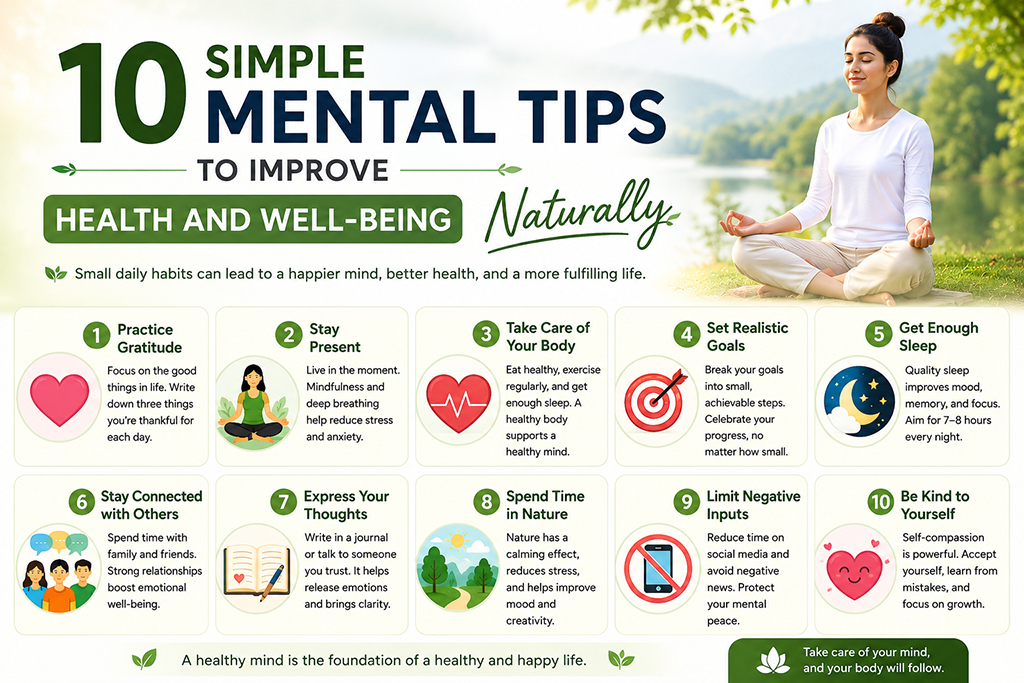


Now Reading: Physical exercise Positively impacts on Mental Health
-
01
Physical exercise Positively impacts on Mental Health

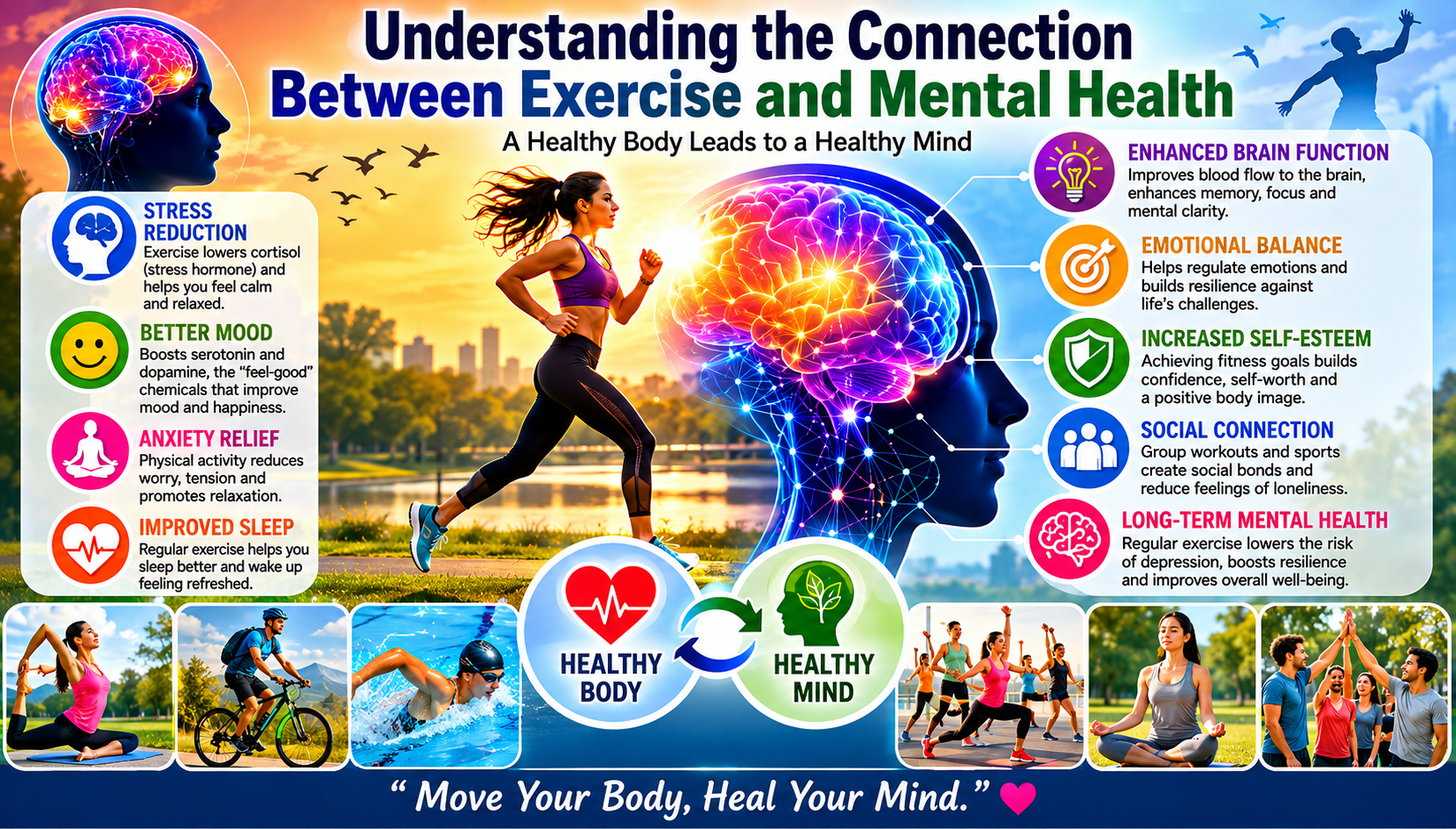
Physical exercise Positively impacts on Mental Health because in today’s fast-paced world, maintaining good mental health is just as important as caring for physical health. Stress, anxiety, depression, and emotional burnout have become increasingly common due to busy lifestyles and constant pressures. One of the most effective and natural ways to support mental well-being is through regular physical exercise. Beyond improving strength and fitness, exercise plays a significant role in promoting emotional balance, mental resilience, and overall psychological stability.
The relationship between physical activity and mental health is supported by extensive scientific research. When you exercise, your body releases chemicals known as endorphins, often referred to as “feel-good hormones.” These chemicals help reduce pain perception and create feelings of happiness and relaxation. Exercise also increases the production of neurotransmitters such as serotonin and dopamine, which are essential for regulating mood and emotional well-being.
As a result, individuals who engage in regular physical activity often experience lower levels of stress, anxiety, and depression while enjoying improved mood and greater emotional stability.Physical exercise Positively impacts no Mental Health
Reduces Stress and Anxiety
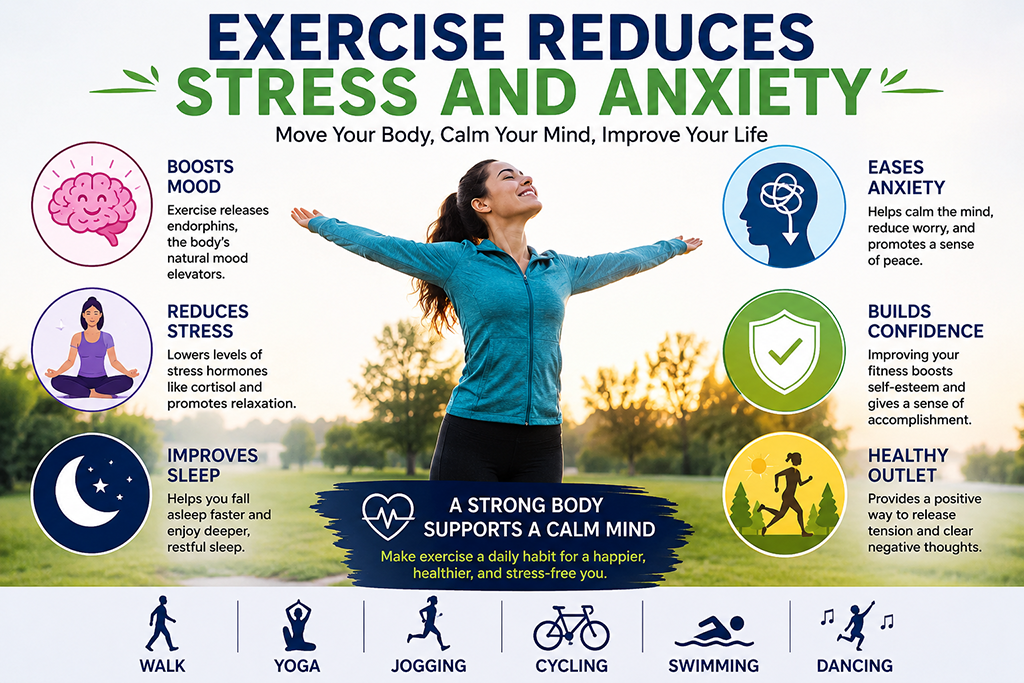
One of the most immediate benefits of exercise is its ability to reduce stress. Physical activity helps lower the body’s production of stress hormones such as cortisol and adrenaline. At the same time, it encourages relaxation and promotes a sense of calm.
Activities such as:
- Walking
- Jogging
- Cycling
- Swimming
- Yoga
- Dancing
can help clear the mind and reduce feelings of tension. Even a 20- to 30-minute workout can significantly improve mood and decrease anxiety levels.
Helps Manage Depression
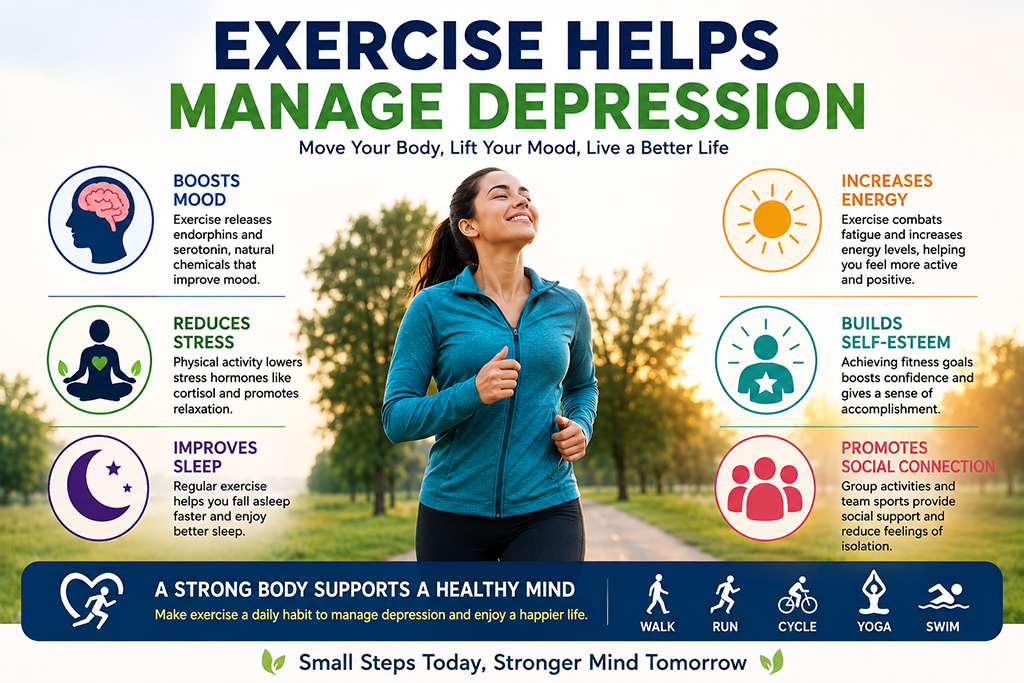
Regular exercise is often recommended as part of a comprehensive treatment plan for mild to moderate depression. Physical activity stimulates brain chemicals that contribute to positive feelings and emotional well-being.
Research has shown that exercise can:
- Improve mood naturally
- Increase energy levels
- Reduce feelings of hopelessness
- Enhance self-esteem
- Promote positive thinking patterns
For some individuals, consistent exercise may be nearly as effective as certain medications for managing mild depression, although professional medical guidance remains important for severe cases.
Improves Sleep Quality
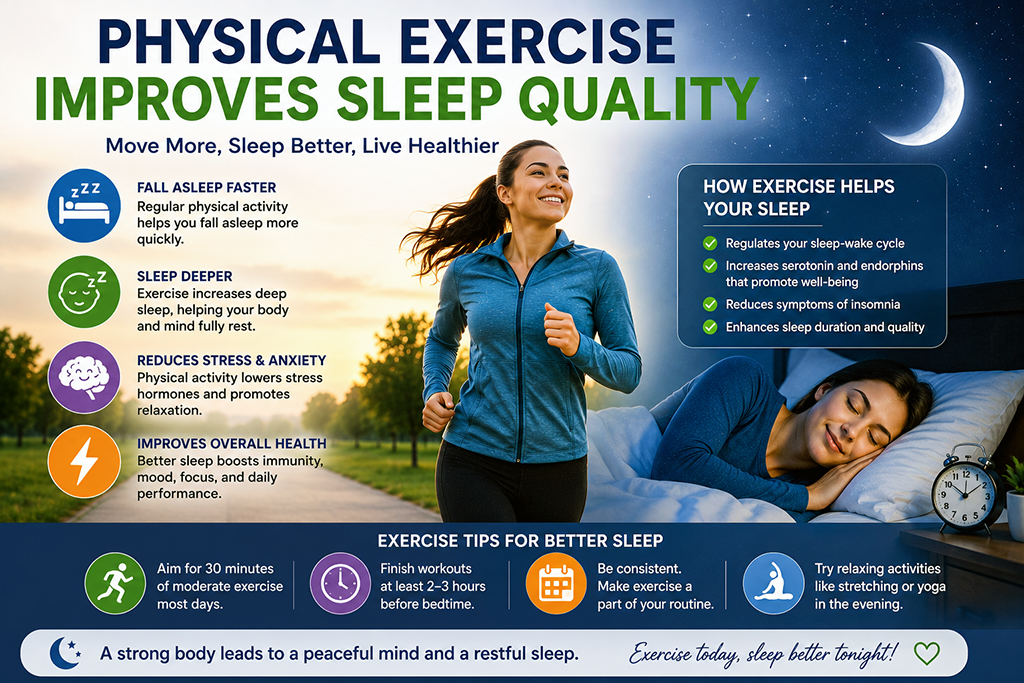
Mental health and sleep are closely connected. Poor sleep can increase stress, irritability, and emotional instability. Exercise helps regulate the body’s internal clock and promotes deeper, more restorative sleep.
Benefits include:
- Falling asleep faster
- Improved sleep duration
- Better sleep quality
- Reduced nighttime restlessness
A well-rested mind is better equipped to handle daily challenges and maintain emotional balance.
Boosts Self-Confidence and Self-Esteem

Achieving fitness goals, no matter how small, can enhance confidence and create a sense of accomplishment. Whether it is completing a daily walk, lifting heavier weights, or improving flexibility, progress builds self-belief.
Exercise helps individuals:
- Feel stronger and healthier
- Improve body image
- Increase self-worth
- Develop a positive outlook on life
These psychological benefits contribute significantly to long-term mental health stability.
Enhances Brain Function

Physical activity improves blood circulation throughout the body, including the brain. Increased blood flow delivers more oxygen and nutrients to brain cells, supporting cognitive function and mental clarity.
Regular exercise has been associated with:
- Better memory
- Improved concentration
- Enhanced learning ability
- Sharper decision-making skills
- Reduced risk of cognitive decline
A healthy brain is essential for maintaining emotional and psychological stability.
Encourages Social Connection

Many forms of exercise involve social interaction, which is beneficial for mental health. Joining a fitness class, sports team, walking group, or yoga session can help individuals build meaningful relationships and reduce feelings of loneliness.
Social benefits include:
- Greater sense of belonging
- Increased emotional support
- Improved communication skills
- Reduced isolation
Strong social connections are a key factor in maintaining good mental health.
Builds Emotional Resilience

Life inevitably brings challenges, setbacks, and stressful situations. Regular exercise helps strengthen emotional resilience by teaching discipline, perseverance, and stress management skills.
People who exercise regularly often develop:
- Better coping mechanisms
- Greater emotional control
- Increased patience
- Enhanced adaptability to change
These qualities help individuals navigate life’s difficulties more effectively.
Promotes Mindfulness and Relaxation
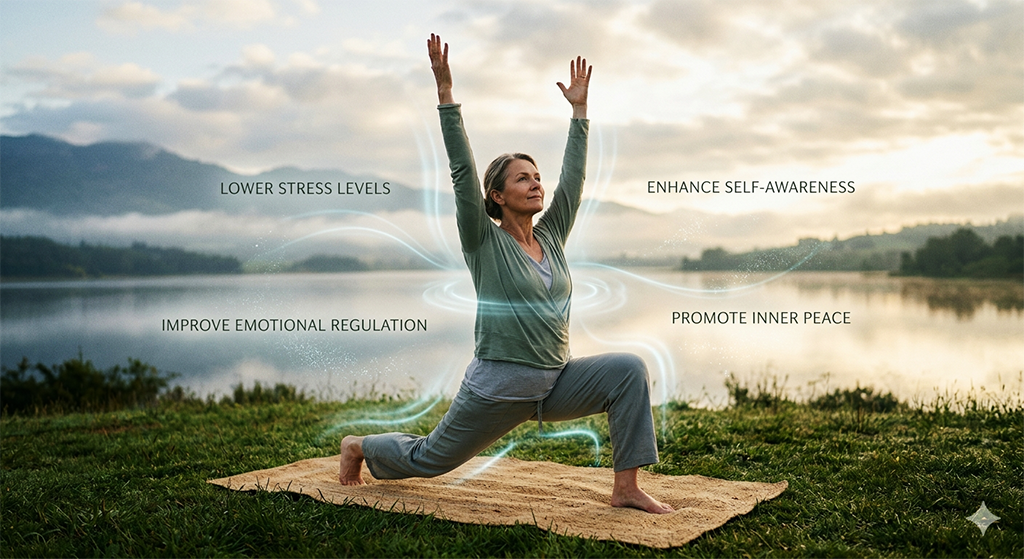
Certain forms of exercise, particularly yoga, tai chi, and mindful walking, combine physical movement with mental focus. These activities encourage individuals to stay present in the moment and reduce excessive worrying about the past or future.
Mindfulness-based exercise can:
- Lower stress levels
- Improve emotional regulation
- Enhance self-awareness
- Promote inner peace
This combination of physical and mental engagement supports overall psychological well-being.
Best Types of Exercise for Mental Health
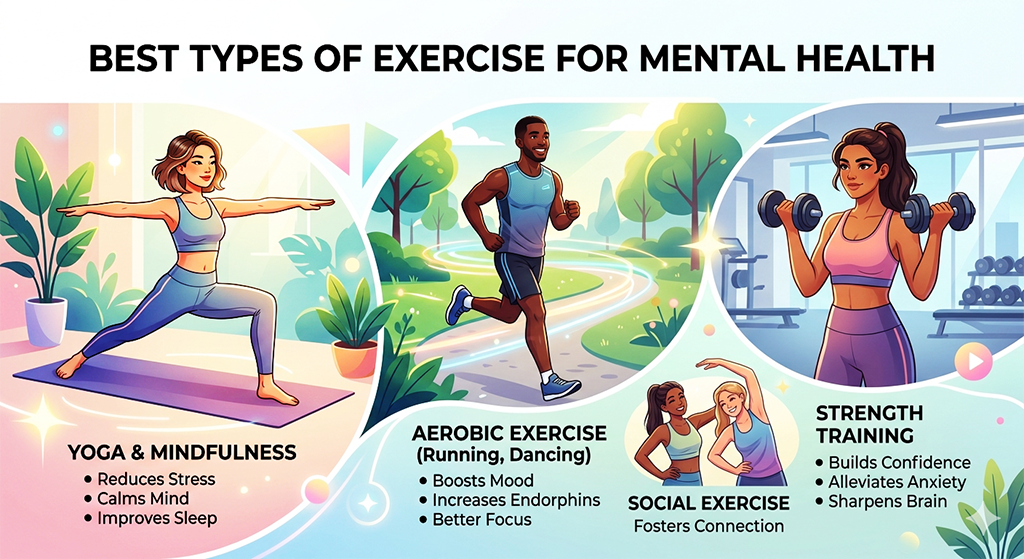
You do not need intense workouts to experience mental health benefits. The most effective exercise is one that you enjoy and can maintain consistently.
Popular options include:
- Walking
- Running or Jogging
- Cycling
- Swimming
- Yoga
- Dancing
- Strength Training
- Gardening
- Hiking
- Team Sports
Aim for at least 150 minutes of moderate physical activity per week, as recommended by the World Health Organization.
Practical Tips to Get Started
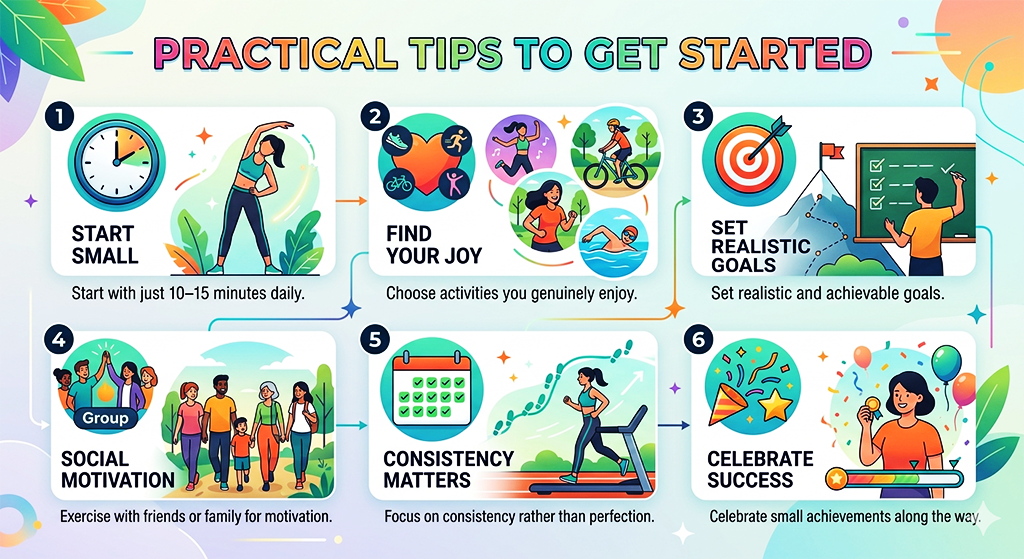
- Start with just 10–15 minutes daily.
- Choose activities you genuinely enjoy.
- Set realistic and achievable goals.
- Exercise with friends or family for motivation.
- Focus on consistency rather than perfection.
- Celebrate small achievements along the way.
Conclusion
Physical exercise is a powerful tool for improving mental health stability. It reduces stress, alleviates symptoms of anxiety and depression, improves sleep quality, enhances self-esteem, strengthens brain function, and promotes emotional resilience. By making regular physical activity a part of your daily routine, you can support both your physical and mental well-being, leading to a healthier, happier, and more balanced life.
The journey to better mental health does not always require complex solutions. Sometimes, something as simple as a daily walk can make a remarkable difference in how you feel, think, and cope with life’s challenges.
How Physical Exercise Positively Impacts Mental Health Stability please generate detailed article on above subject and also generate the suitable images also
Related Posts
Stay Informed With the Latest & Most Important News
Previous Post
Next Post










Advertisement

-
 01Boost your gut health and immune system naturally
 -
 02Extraordinary Lasoda Glue Berry: Health Benefits, Nutrition, and Traditional Uses
 -
 03Seasonal mushrooms and snake hole mushrooms: A complete guide
 -
 04Ozone (O₃) Injection for Disc Bulge: A Complete Guide to Ozone Discolysis
 -
 05Regenerative Stem Cell Treatments in Orthopedics: A Complete Guide to Healing Joints, Bones, and Soft Tissues Naturally
 -
 06Can an L4-L5 Disc Prolapse Regenerate? The Truth About Spine Regeneration and Modern Treatments
 -
 07Electro Dry Needling for L4-L5 Disc Bulge: A Comprehensive Guide