Now Reading: Heart Diseases: Types, Prevention, Heart Failure, Causes, Symptoms and Safety Precautions
-
01
Heart Diseases: Types, Prevention, Heart Failure, Causes, Symptoms and Safety Precautions
Heart Diseases: Types, Prevention, Heart Failure, Causes, Symptoms and Safety Precautions

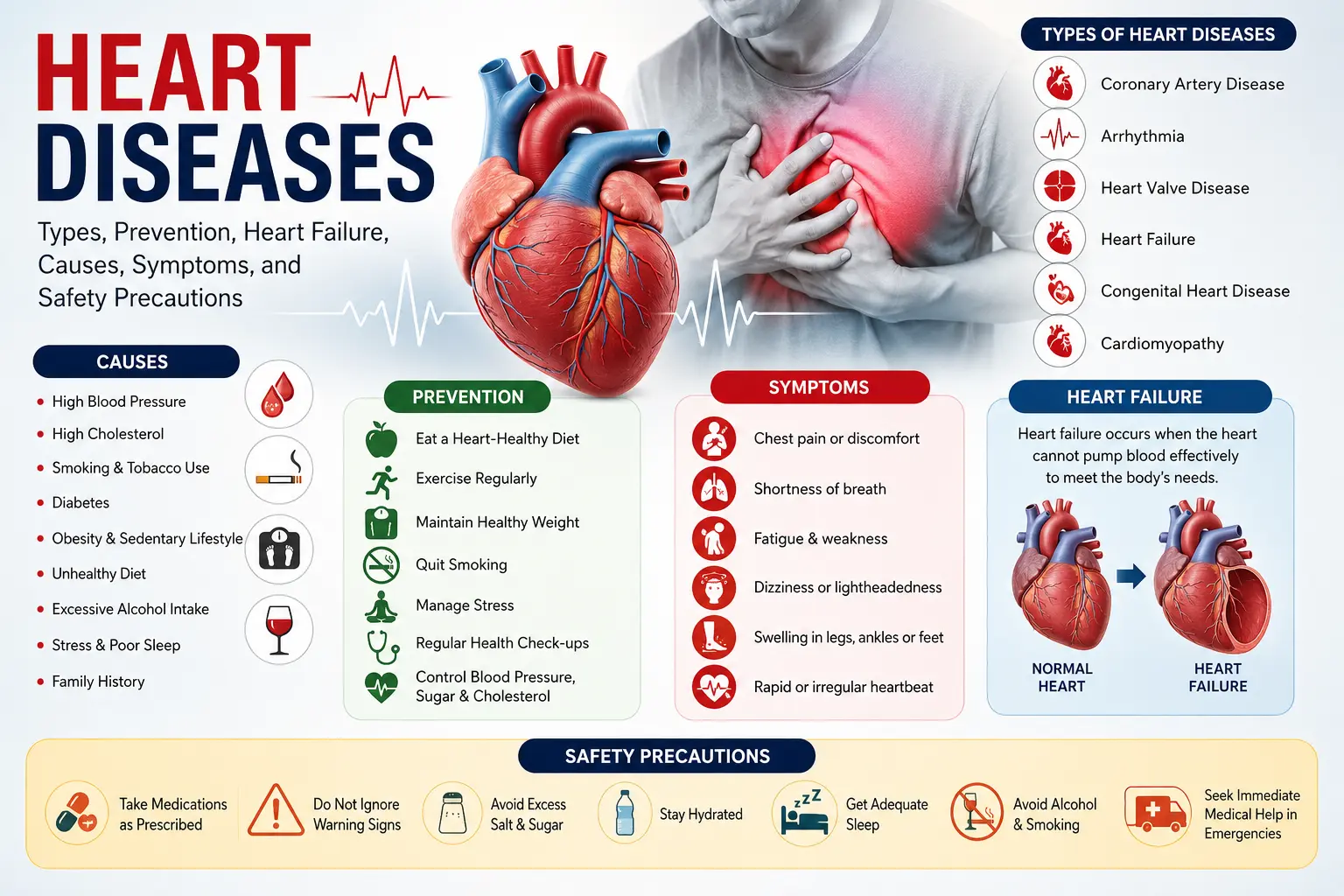
Heart disease is not one single disease. It is a broad term covering many conditions that affect the heart muscle, coronary arteries, heart valves, heart rhythm, or the blood vessels connected to the heart.
Cardiovascular diseases (CVDs) are the leading cause of death globally. The World Health Organization estimates that CVDs caused about 19.8 million deaths in 2022. Many cardiovascular diseases can be prevented or their risk substantially reduced by controlling blood pressure, blood sugar, cholesterol, tobacco use, diet, physical activity and body weight.
1. How many types of heart disease are there?
There is no single official number, because heart disease can be classified in different ways and many conditions have subtypes. The major categories include:
1. Coronary artery disease (CAD)
This is one of the most common forms of heart disease.
It occurs when plaque made up of cholesterol, fats and other substances builds up inside the coronary arteries, reducing blood flow to the heart muscle.
It can cause:
- Chest pain or angina
- Shortness of breath
- Heart attack
- Heart failure
- Abnormal heart rhythms
2. Heart attack (myocardial infarction)
A heart attack occurs when blood flow to part of the heart muscle becomes severely reduced or blocked, usually because a blood clot forms over a ruptured cholesterol plaque.
Without adequate oxygen, heart muscle begins to become damaged.
Important: A heart attack and cardiac arrest are not the same thing.
- Heart attack: blood-flow problem.
- Cardiac arrest: the heart suddenly stops pumping effectively because of an electrical problem.
3. High blood pressure (hypertension)
Hypertension places excessive pressure on artery walls and makes the heart work harder.
Over many years, uncontrolled hypertension can contribute to:
- Coronary artery disease
- Heart enlargement
- Heart failure
- Stroke
- Kidney disease
- Other vascular complications
High blood pressure may cause no obvious symptoms, which is why regular measurement is important. WHO identifies raised blood pressure as one of the major cardiovascular risk factors.
4. Heart failure
Heart failure occurs when the heart cannot pump enough blood to meet the body’s needs or cannot fill properly.
It does not mean that the heart has completely stopped working.
More details are provided below.
5. Arrhythmias
Arrhythmias are abnormal heart rhythms.
The heartbeat may become:
- Too fast — tachycardia
- Too slow — bradycardia
- Irregular or disorganized
Examples include:
- Atrial fibrillation (AF)
- Atrial flutter
- Supraventricular tachycardia
- Ventricular tachycardia
- Ventricular fibrillation
- Some types of heart block
Some arrhythmias are relatively harmless, while others can be life-threatening.
6. Heart valve diseases
The heart has four valves:
- Mitral valve
- Aortic valve
- Tricuspid valve
- Pulmonary valve
A valve may become:
- Narrowed — stenosis
- Leaky — regurgitation
Severe valve disease can make the heart work harder and eventually contribute to heart failure.
7. Cardiomyopathy
Cardiomyopathy is disease of the heart muscle.
Important forms include:
- Dilated cardiomyopathy
- Hypertrophic cardiomyopathy
- Restrictive cardiomyopathy
- Arrhythmogenic cardiomyopathy
Some forms are inherited, while others can develop because of infections, toxins, certain medications, metabolic conditions or other causes.
8. Congenital heart disease
These are structural heart abnormalities present from birth.
Examples include:
- Septal defects
- Abnormal heart valves
- Abnormal blood vessels
- Complex congenital heart abnormalities
Some are detected during childhood, while others may not become apparent until adulthood.
9. Rheumatic heart disease
Rheumatic heart disease can develop after rheumatic fever, which may follow an infection caused by certain strains of Streptococcus bacteria.
It can permanently damage heart valves.
10. Inflammatory heart diseases
Inflammation can affect different parts of the heart:
- Myocarditis — inflammation of the heart muscle
- Pericarditis — inflammation of the sac surrounding the heart
- Endocarditis — infection/inflammation involving the inner lining and often heart valves
11. Peripheral artery disease
Peripheral artery disease affects blood vessels supplying the limbs, particularly the legs.
It is part of the broader cardiovascular disease group and is often associated with the same underlying atherosclerotic process that affects coronary arteries.
2. What are the major risk factors for heart disease?
Some risk factors cannot be changed, such as:
- Increasing age
- Family history
- Certain genetic conditions
- Congenital abnormalities
However, many important risk factors are modifiable.
Major modifiable risk factors
1. Smoking and tobacco use
Smoking damages blood vessels and substantially increases cardiovascular risk.
2. High blood pressure
Long-term uncontrolled hypertension puts continuous stress on arteries and the heart.
3. High LDL cholesterol
Excess LDL cholesterol can contribute to plaque formation in arteries.
4. Diabetes or high blood glucose
Persistently elevated blood glucose can damage blood vessels and increase cardiovascular risk.
5. Physical inactivity
Lack of regular physical activity is associated with increased cardiovascular risk.
6. Overweight and obesity
Excess body weight can increase the likelihood of hypertension, diabetes, abnormal cholesterol and other cardiovascular problems.
7. Unhealthy diet
A diet high in salt, saturated fat, trans fat, highly processed foods and excess calories can increase cardiovascular risk.
8. Excessive alcohol consumption
Harmful alcohol use can contribute to hypertension and other cardiovascular problems.
9. Chronic stress and poor sleep
These can indirectly increase cardiovascular risk through effects on blood pressure, lifestyle habits and metabolic health.
10. Air pollution
WHO recognizes air pollution as an environmental cardiovascular risk factor.
3. How can you protect your heart?
There is no method that guarantees that a person will never develop heart disease. However, you can substantially reduce your risk.
Eat a heart-healthy diet
Build most meals around:
- Vegetables
- Fruits
- Whole grains
- Beans and lentils
- Nuts and seeds
- Fish where appropriate
- Lean protein
- Healthy unsaturated fats
Limit:
- Deep-fried foods
- Processed meats
- Excess salt
- Sugary drinks
- Excess sweets
- Trans fats
- Highly processed foods
- Excess saturated fat
WHO specifically recommends reducing salt, eating more fruits and vegetables and addressing unhealthy dietary patterns to reduce cardiovascular risk.
A simple plate approach
Try to make approximately:
½ plate: vegetables
¼ plate: protein
¼ plate: whole grains or other high-fiber carbohydrate
The exact dietary requirements should be individualized, particularly for people with diabetes, kidney disease or established heart disease.
4. Exercise regularly
Regular physical activity helps improve:
- Blood pressure
- Cholesterol profile
- Blood glucose control
- Body weight
- Cardiovascular fitness
- Overall cardiovascular health
For most adults, a reasonable target is approximately 150 minutes of moderate-intensity aerobic activity per week, or an equivalent amount of vigorous activity, together with muscle-strengthening activity.
If you have known heart disease, significant symptoms, or have been physically inactive for a long time, discuss an appropriate exercise program with your healthcare professional before starting vigorous exercise.
5. Control blood pressure
Check your blood pressure regularly, particularly if you have risk factors.
If hypertension is diagnosed:
- Follow your prescribed treatment.
- Reduce excess dietary sodium.
- Maintain a healthy weight.
- Exercise regularly.
- Avoid tobacco.
- Limit harmful alcohol use.
- Attend follow-up appointments.
Do not stop blood-pressure medication simply because you feel well.
6. Control cholesterol
A lipid profile may include:
- LDL cholesterol
- HDL cholesterol
- Triglycerides
- Total cholesterol
LDL cholesterol is particularly important in assessing atherosclerotic cardiovascular risk.
Depending on your overall risk, your doctor may recommend lifestyle treatment alone or medication such as a statin.
7. Control blood sugar
Diabetes and elevated blood glucose increase cardiovascular risk.
If you have diabetes:
- Monitor glucose as recommended.
- Follow your prescribed medication plan.
- Maintain a healthy diet.
- Exercise appropriately.
- Monitor blood pressure and cholesterol.
- Attend regular medical reviews.
WHO notes that treatment of hypertension, diabetes and high blood lipids is important for reducing cardiovascular risk and preventing cardiovascular events.
8. Do not smoke
Stopping tobacco is one of the most important things you can do for cardiovascular health.
Avoid:
- Cigarettes
- Beedis
- Cigars
- Smokeless tobacco
- Other tobacco products
Also avoid regular exposure to secondhand smoke.
9. Maintain a healthy weight
You do not need to achieve a “perfect” body weight to benefit your heart.
Even appropriate, sustained improvements in:
- Diet
- Physical activity
- Waist circumference
- Blood pressure
- Blood glucose
can improve cardiovascular risk.
10. Get regular health checks
Important measurements may include:
- Blood pressure
- Blood glucose/HbA1c when indicated
- Lipid profile
- Body weight/BMI
- Waist circumference
- Kidney function when clinically appropriate
People with a strong family history, diabetes, hypertension, high cholesterol or previous cardiovascular disease may need more frequent monitoring.
What exactly is heart failure?
Heart failure is a condition in which the heart cannot pump or fill effectively enough to meet the body’s requirements.
It does not mean that the heart has stopped.
The American Heart Association explains that heart failure means the heart is not pumping as well as it should, which can prevent the body from receiving sufficient oxygen and nutrients.
Heart failure can develop gradually over years or sometimes occur suddenly following severe damage to the heart.
How does heart failure happen?
Think of the heart as a pump.
Healthy heart:
Blood → heart → lungs/body → heart → body
When the heart becomes damaged or overloaded, its pumping or filling ability can deteriorate.
Step 1: The heart is damaged or overloaded
Possible causes include:
- Coronary artery disease
- Previous heart attack
- Long-standing hypertension
- Heart valve disease
- Cardiomyopathy
- Myocarditis
- Congenital heart disease
- Certain abnormal heart rhythms
Coronary artery disease and previous heart attack are important causes of heart failure.
Step 2: Pumping becomes less effective
The heart may not contract strongly enough.
Alternatively, the heart may become stiff and have difficulty filling with blood.
Step 3: The body attempts to compensate
The body tries to maintain circulation by:
- Increasing heart rate
- Narrowing blood vessels
- Retaining salt and water
- Enlarging or thickening the heart
These mechanisms can help temporarily, but over time they can increase the workload on the heart and worsen heart failure.
Step 4: Fluid can accumulate
When the heart cannot maintain effective circulation, fluid may accumulate.
This can result in:
- Swollen ankles and legs
- Abdominal swelling
- Breathlessness
- Cough
- Rapid weight gain
Main types of heart failure
Heart failure can be classified in several ways.
Left-sided heart failure
This is the most common pattern.
It can cause:
- Breathlessness
- Fatigue
- Reduced exercise tolerance
- Cough
- Fluid accumulation in the lungs
Right-sided heart failure
It can cause:
- Leg and ankle swelling
- Abdominal swelling
- Weight gain from fluid retention
- Prominent neck veins
Right-sided failure can occur because of problems originating in the right side of the heart or as a consequence of left-sided heart failure.
Heart failure with reduced ejection fraction
The heart’s squeezing ability is reduced.
Heart failure with preserved ejection fraction
The heart may squeeze relatively normally but becomes stiff and does not fill properly.
Therefore, a normal ejection fraction does not necessarily mean that heart failure is impossible.
Symptoms of heart failure
Common symptoms include:
- Shortness of breath
- Breathlessness while lying down
- Waking at night feeling short of breath
- Persistent cough or wheezing
- Fatigue
- Weakness
- Reduced exercise tolerance
- Swelling of feet, ankles or legs
- Abdominal swelling
- Rapid or irregular heartbeat
- Reduced appetite
- Nausea
- Confusion in some people
- Sudden or unexplained weight changes
The American Heart Association lists shortness of breath, persistent cough/wheezing, swelling, fatigue, appetite changes, increased heart rate and sudden weight changes among possible warning signs.
Can heart failure be prevented?
Many cases can be prevented or their risk reduced.
The most important strategy is to prevent or effectively treat the conditions that damage the heart.
Protect against heart failure by:
- Controlling blood pressure
- Controlling diabetes
- Managing cholesterol
- Avoiding smoking
- Maintaining a healthy weight
- Exercising regularly
- Eating a heart-healthy diet
- Limiting harmful alcohol consumption
- Treating coronary artery disease
- Treating significant valve disease
- Managing abnormal heart rhythms
- Following treatment after a heart attack
- Attending regular medical checkups
WHO states that many cardiovascular diseases can be prevented by addressing tobacco use, unhealthy diet, physical inactivity, harmful alcohol use and metabolic risk factors such as high blood pressure, high blood glucose and abnormal blood lipids.
Safety precautions: when should you seek emergency help?
Do not ignore symptoms that could indicate a heart attack or another cardiovascular emergency.
Seek emergency medical care immediately if there is:
- New or severe chest pressure, squeezing or pain
- Chest discomfort spreading to the arm, shoulder, back, neck or jaw
- Severe difficulty breathing
- Fainting or near-fainting
- Sudden severe sweating with chest discomfort
- Sudden severe weakness
- New confusion
- A very rapid or severely irregular heartbeat accompanied by serious symptoms
Women and older adults may sometimes have less typical symptoms, such as unusual fatigue, nausea, breathlessness or back/jaw discomfort.
Do not drive yourself to the hospital if you are experiencing potentially serious heart symptoms. Use your local emergency medical service.
Heart failure warning signs that should not be ignored
If someone already has heart failure, contact their healthcare professional promptly if there is:
- Increasing breathlessness
- New or worsening leg swelling
- Rapid unexplained weight gain
- Increasing fatigue
- Persistent cough
- Difficulty sleeping because of breathing problems
- Increasing abdominal swelling
- Dizziness or fainting
- New confusion
Sudden severe breathlessness, chest pain, fainting or severe deterioration requires emergency evaluation.
A simple daily heart-protection routine
Morning
- Take prescribed medications as directed.
- Eat a balanced breakfast.
- Avoid tobacco.
- Stay appropriately hydrated unless your doctor has prescribed fluid restriction.
During the day
- Remain physically active.
- Break up long periods of sitting.
- Eat vegetables, fruits, whole grains and adequate protein.
- Keep salt and highly processed foods under control.
- Avoid sugary drinks.
Evening
- Eat a moderate dinner.
- Avoid excessive alcohol.
- Avoid heavy meals immediately before bedtime.
- Get adequate sleep.
Regularly
- Check blood pressure.
- Monitor blood glucose if indicated.
- Check cholesterol according to your doctor’s recommendations.
- Maintain a healthy weight.
- Attend recommended medical appointments.
The most important message
You cannot prevent every heart condition. Genetic disorders, congenital heart disease, some infections, autoimmune conditions and other problems can occur even in people with excellent lifestyles.
However, you can significantly reduce your cardiovascular risk by focusing on the major controllable factors:
No tobacco + healthy diet + regular exercise + healthy weight + controlled blood pressure + controlled blood sugar + healthy cholesterol + appropriate sleep + regular medical checkups.
Heart failure is particularly important because it can develop as the consequence of other heart problems. Detecting and treating hypertension, diabetes, high cholesterol, coronary artery disease, valve disease and rhythm disorders early can help reduce the risk of progression.
Important: This information is educational and does not replace a medical evaluation. If someone has chest pain, severe breathlessness, fainting or other potentially serious symptoms, seek emergency medical care rather than trying to manage the symptoms at home.
Related Posts

Stay Informed With the Latest & Most Important News
Previous Post
Next Post







Advertisement

-
 01Boost your gut health and immune system naturally
 -
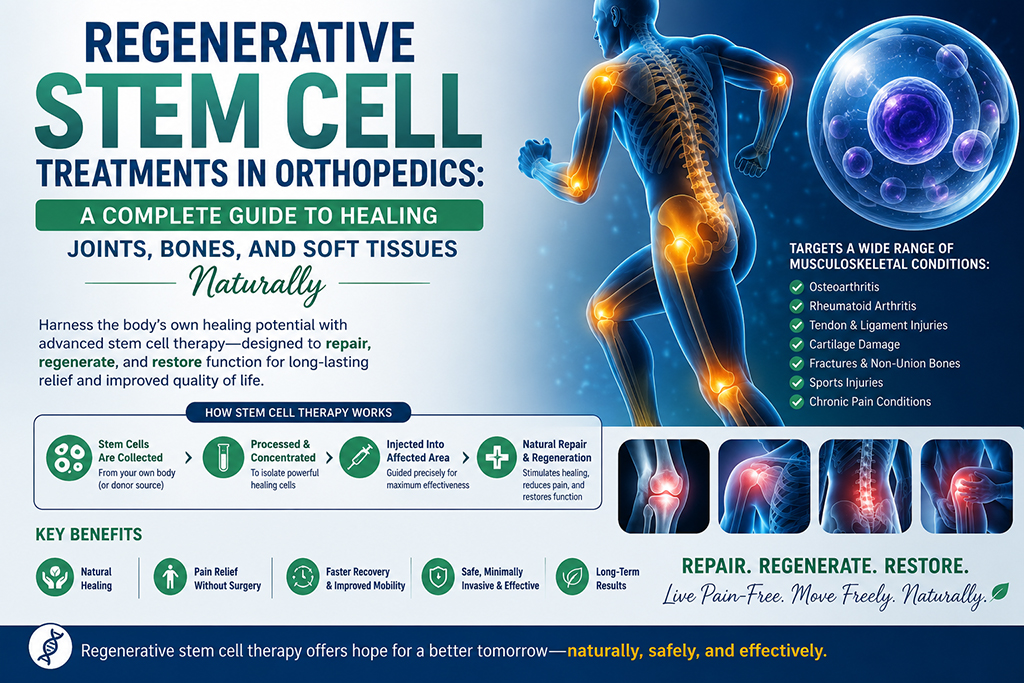
 02Regenerative Stem Cell Treatments in Orthopedics: A Complete Guide to Healing Joints, Bones, and Soft Tissues Naturally
 -
 03Can You Get Vitamin D3 During Sunrise or Sunset? A Scientific Guide
 -
 04Extraordinary Lasoda Glue Berry: Health Benefits, Nutrition, and Traditional Uses
 -
 05Seasonal mushrooms and snake hole mushrooms: A complete guide
 -
 06Country Eggs: Detailed Information, Nutrition, Benefits, Risks, and How They Compare With Farm Eggs
 -
 07The Ultimate Guide to Making Sesame Seed Milk: Recipe, Nutrition & Amazing Health Benefits