
Now Reading: Varicose Veins: Causes, Symptoms, Natural Treatment and Prevention
-
01
Varicose Veins: Causes, Symptoms, Natural Treatment and Prevention
Varicose Veins: Causes, Symptoms, Natural Treatment and Prevention

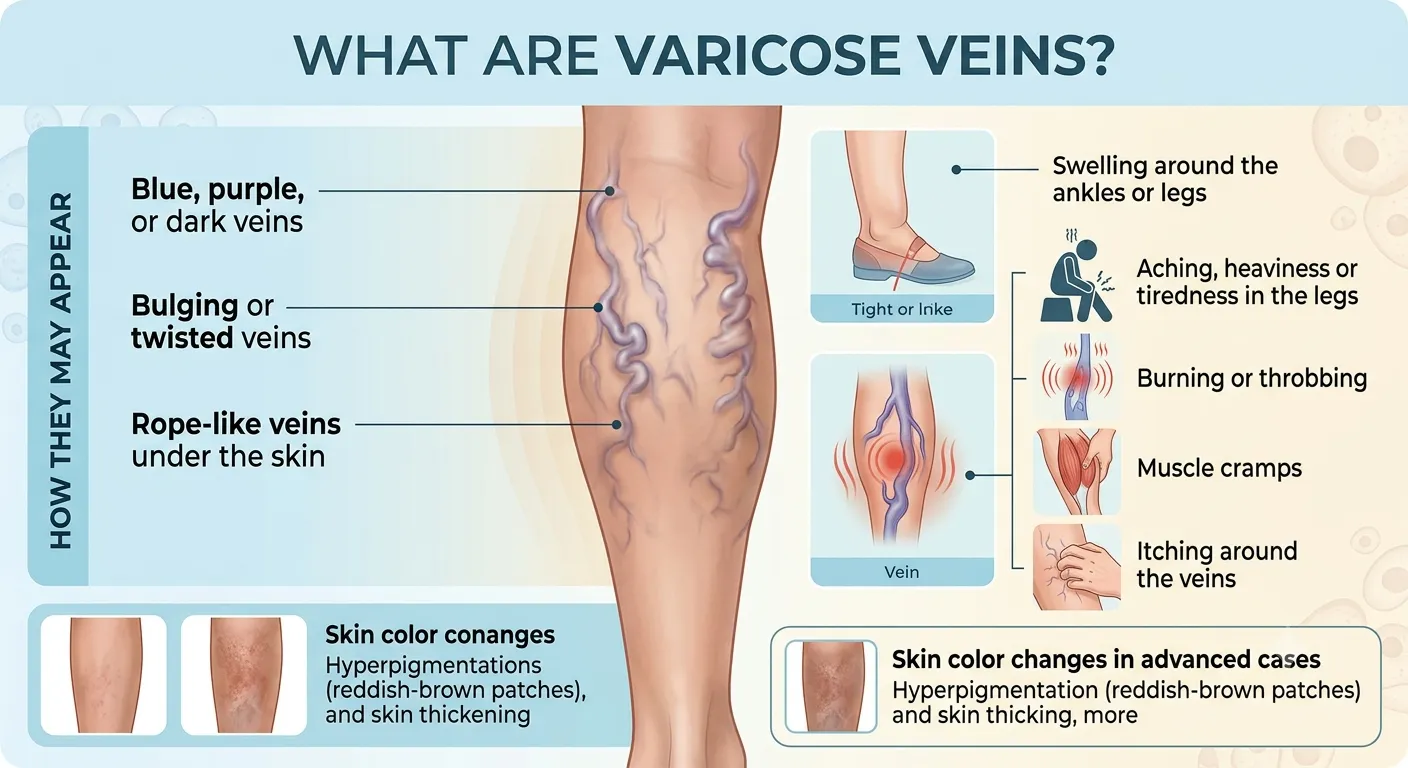
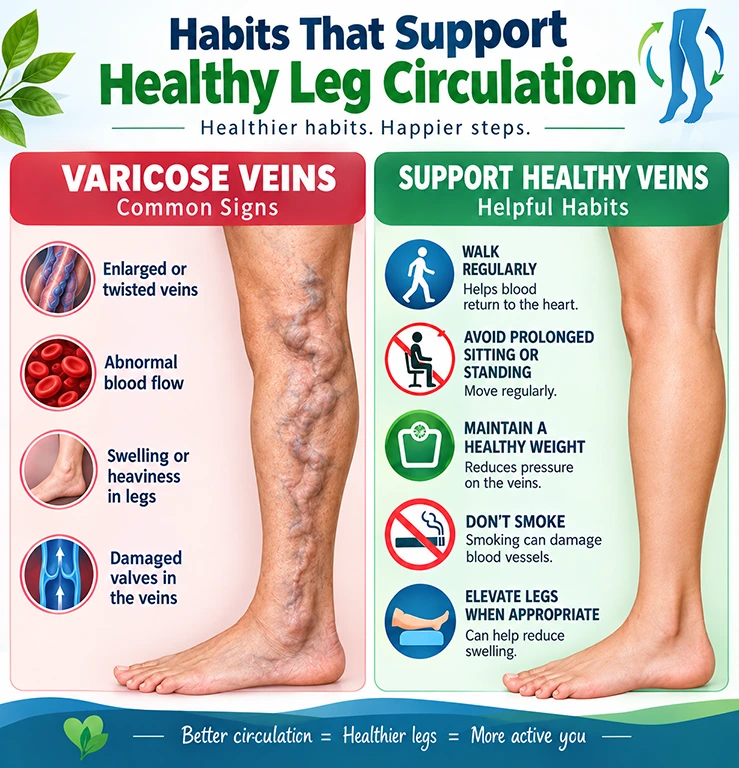
If you mean varicose veins (swollen, twisted veins, usually in the legs), they are caused mainly by weakened or damaged vein valves. Blood can flow backward and pool in the veins, making them enlarged and visible under the skin.
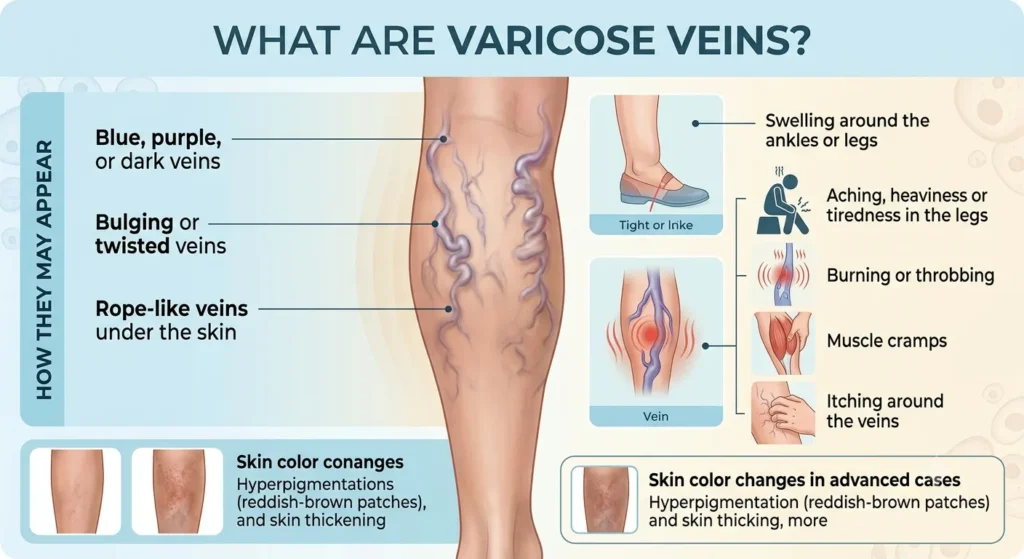
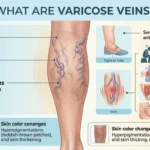
What are varicose veins?
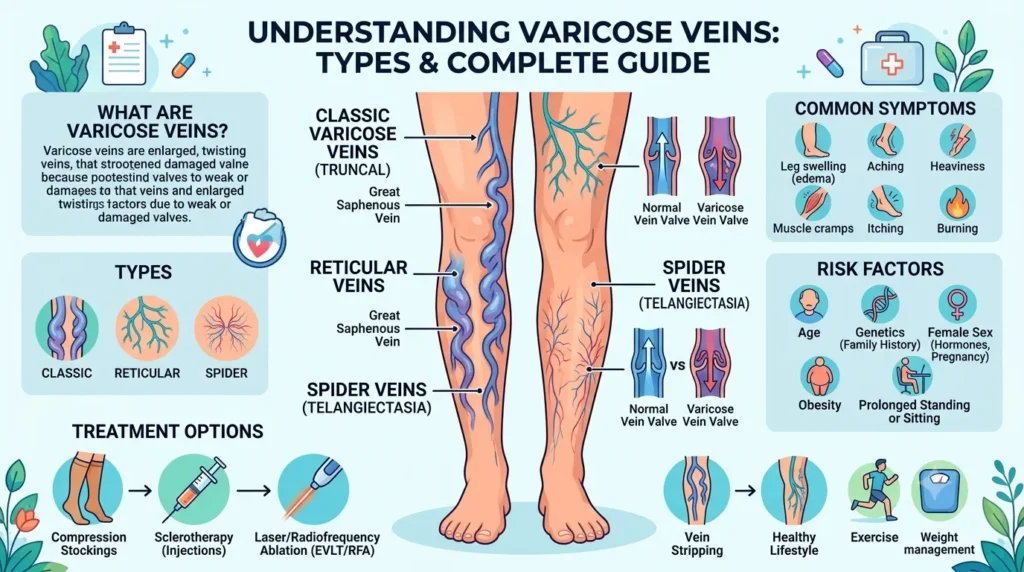
Varicose veins may appear as:
- Blue, purple, or dark veins
- Bulging or twisted veins
- Rope-like veins under the skin
- Swelling around the ankles or legs
- Aching, heaviness or tiredness in the legs
- Burning or throbbing
- Muscle cramps
- Itching around the veins
- Skin colour changes in advanced cases
They are different from spider veins, which are much smaller, web-like red, blue or purple blood vessels.
Why do varicose veins develop?
Common risk factors include:
- Age – vein valves can weaken with age.
- Family history – varicose veins can run in families.
- Being overweight – increases pressure on leg veins.
- Long periods of standing – particularly occupations requiring prolonged standing.
- Long periods of sitting – reduced leg-muscle movement can slow venous return.
- Pregnancy – increased blood volume and hormonal changes can contribute.
- Previous DVT – damage to deeper veins can increase the risk.
How to Diagnosing varicose veins?
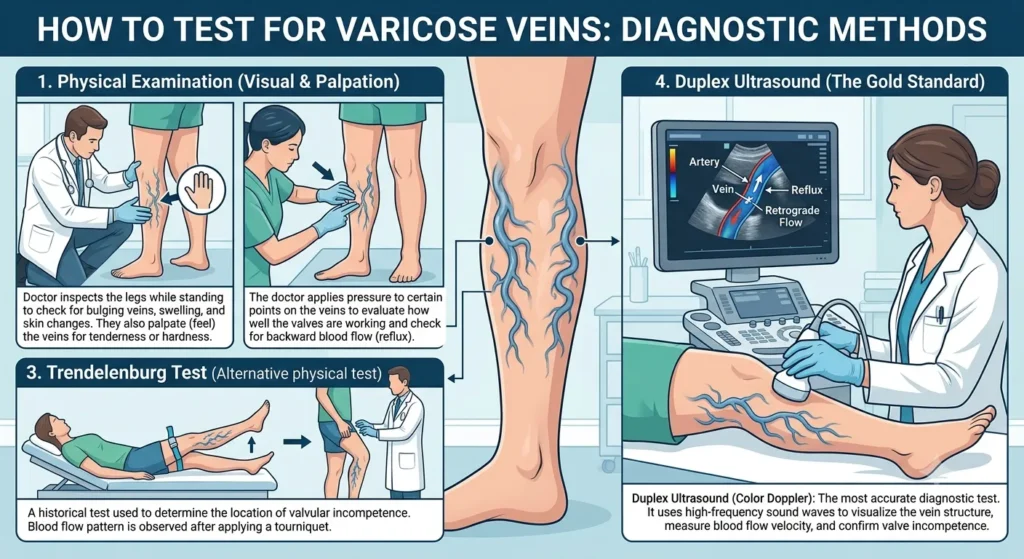
Diagnosing varicose veins typically begins with a clinical evaluation and may involve specialized tests to monitor blood flow and identify damaged valves. Here are the primary types of tests available:
- Physical Examination (Visual & Palpation): To diagnose varicose veins, a doctor will initially do a physical exam. This involves inspecting your legs while you are standing to check for visible swelling, bulging veins, and any skin changes. The doctor may also palpate (feel) the veins to check for hardness or tenderness and ask you to describe any aching or pain.
- Duplex Ultrasound (Venous Doppler Ultrasound): This imaging test has become the gold standard diagnostic technique for investigating varicose veins. It is a safe, painless, and non-invasive procedure. It uses high-frequency sound waves to create live images of the veins and evaluate blood flow. This test helps doctors identify irregular blood flow, detect malfunctioning valves, find blockages, and check for backward blood flow (reflux).
- Trendelenburg Test (Tourniquet Test): This is a historical, alternative physical test that was primarily used before Doppler ultrasounds were widely available. It involves applying a tourniquet to observe the blood flow pattern and determine the location of valvular incompetence (faulty valves).
- Plethysmography: This technique measures changes in the volume of a limb. By elevating and dropping the leg, doctors can observe how the movement of blood in the veins changes the limb’s volume.
- Advanced Imaging (IVUS, CT, MRI, Venography): If the ultrasound results are inconclusive or if the affected veins are located deeper in the body (such as pelvic veins), doctors may recommend additional methods. These can include Intravascular Ultrasound (IVUS), Transvaginal Duplex Ultrasound Scanning, CT Scanning, or Magnetic Resonance Venography (MRV).
Can varicose veins heal naturally?
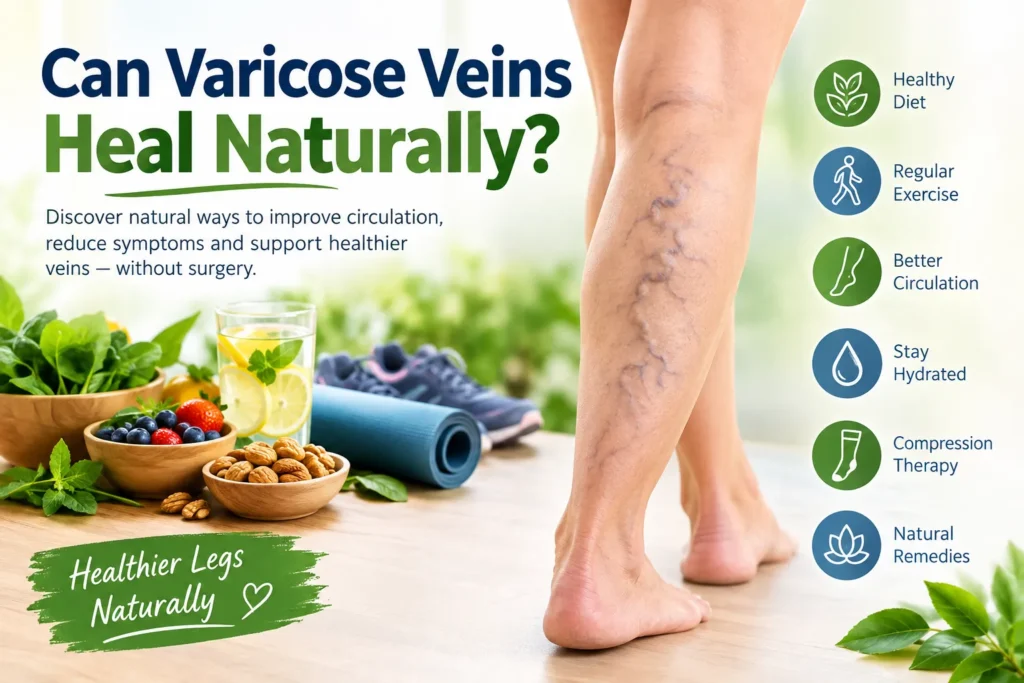
Natural measures can reduce symptoms and may help prevent worsening, but they usually cannot completely eliminate established varicose veins.
This is an important distinction. Exercise, weight management, leg elevation and avoiding prolonged sitting or standing can improve circulation and reduce discomfort. However, a vein whose valves are significantly damaged generally does not return to normal simply through food or home remedies. NHS guidance specifically notes that self-care can relieve symptoms but does not get rid of established varicose veins.
1. Walk every day
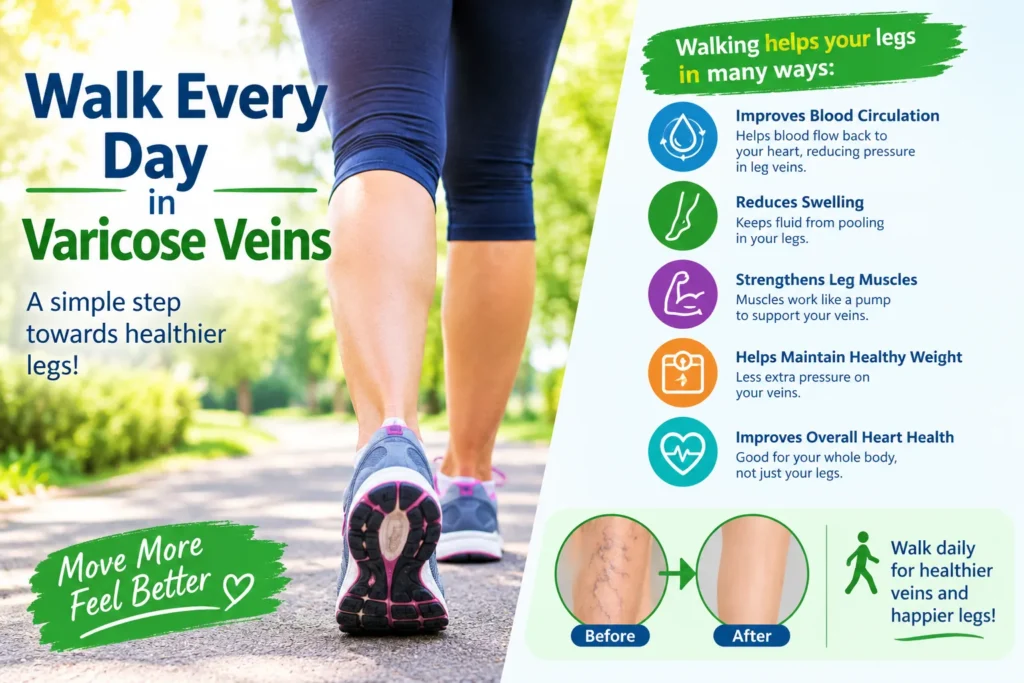
Walking is one of the best natural measures.
When you walk, your calf muscles act as a venous pump, helping push blood upward toward the heart.
A practical approach is:
- Start with 20–30 minutes of walking daily.
- If comfortable, gradually work toward 30–45 minutes.
- Avoid remaining seated for several hours continuously.
- During long periods of sitting, move your ankles and feet regularly.
Regular exercise is recommended for improving blood flow and reducing symptoms.
2. Elevate your legs
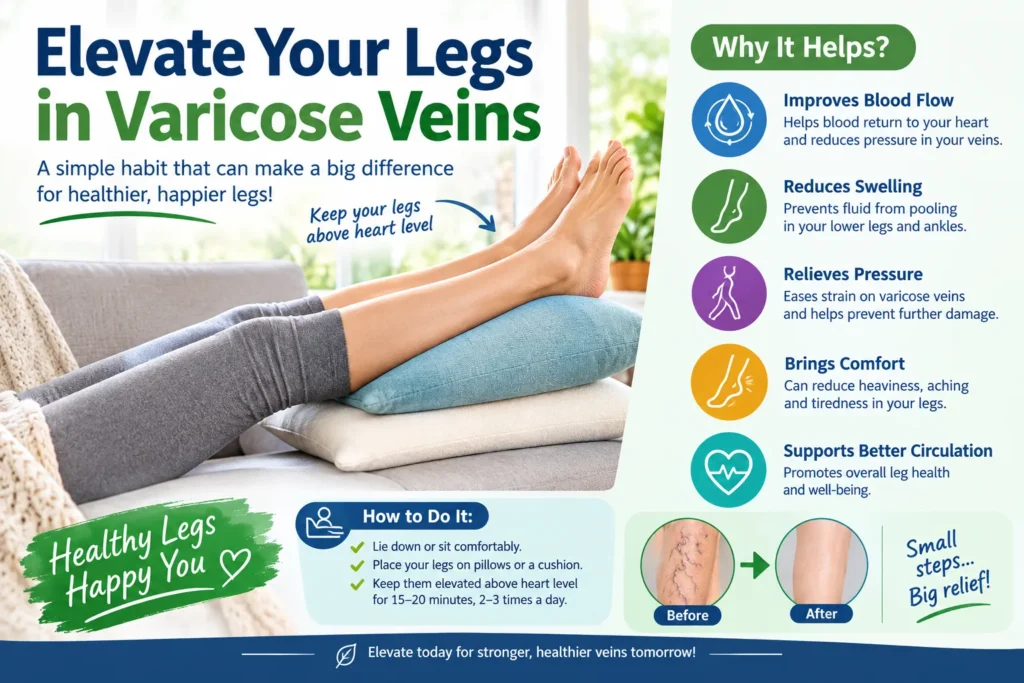
When resting, raise your legs above the level of your heart.
For example:
Lie down → place 2–3 pillows under your lower legs → keep the legs elevated for about 15–20 minutes.
You can do this several times a day, particularly after prolonged standing.
Leg elevation can reduce venous pressure and swelling.
3. Avoid sitting or standing continuously
If your work requires sitting:
- Get up every 30–60 minutes.
- Walk for a few minutes.
- Perform ankle movements.
- Avoid crossing your legs for long periods.
If your work requires standing:
- Walk around periodically.
- Shift your weight regularly.
- Perform gentle calf raises.
Movement is generally better than remaining stationary for long periods.
4. Maintain a healthy weight
Excess body weight increases pressure on the veins of the legs.
If you are overweight, gradual weight loss can reduce pressure on the venous system and may make symptoms easier to manage.
5. Eat a vein-friendly diet
There is no specific food that can repair damaged vein valves, but a healthy diet can support circulation and weight management.
Good choices include:
High-fiber foods
- Oats
- Barley
- Millets
- Beans
- Lentils
- Chickpeas
- Vegetables
- Fruits
- Nuts and seeds
Fiber can also help prevent constipation, which can contribute to increased abdominal pressure.
Foods containing vitamin C
- Guava
- Amla
- Oranges
- Sweet lime
- Papaya
- Capsicum
- Tomatoes
Vitamin C is important for collagen production and normal connective-tissue function.
Flavonoid-rich foods
- Berries
- Citrus fruits
- Onions
- Apples
- Green leafy vegetables
- Tea
These foods are nutritious, but they should not be considered a cure for varicose veins.
Reduce excess salt
A high-sodium diet can contribute to fluid retention and swelling. Reducing excess salt may help people who experience leg swelling.
6. Compression stockings
Compression stockings can be very useful for symptoms such as:
- Leg swelling
- Aching
- Heaviness
- Discomfort after standing
They apply graduated pressure to the legs and help venous blood move upward.
Important: Don’t simply choose a very tight compression stocking yourself. Compression is not appropriate for everyone, particularly people with certain problems affecting arterial blood flow. A doctor or qualified healthcare professional can determine the appropriate type and pressure.
7. Calf exercises
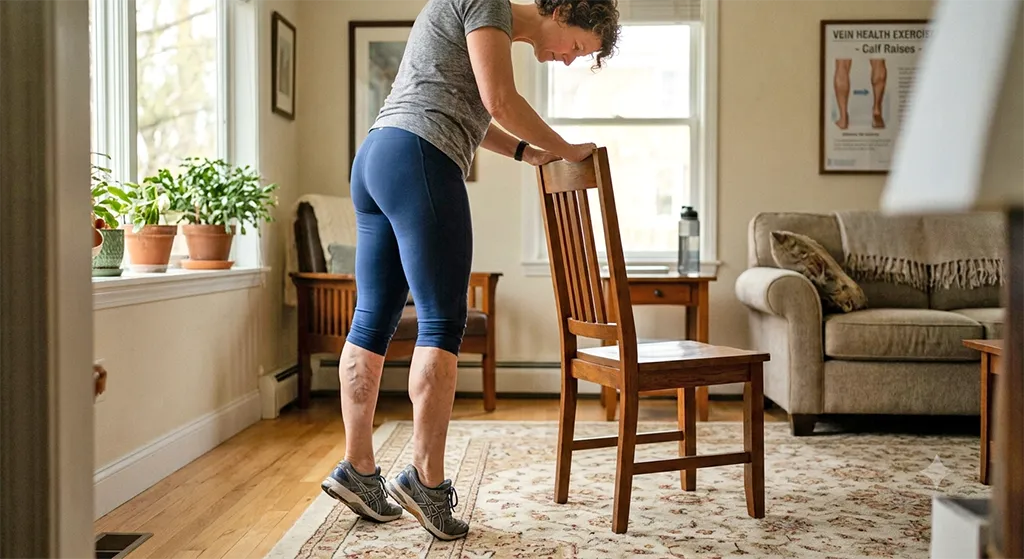
Simple exercises can encourage circulation.
Ankle pumps
While sitting or lying down:
- Point your toes forward.
- Pull your toes toward you.
- Repeat 20–30 times.
Calf raises
- Stand holding a chair.
- Slowly raise your heels.
- Hold briefly.
- Lower them slowly.
- Repeat 10–20 times.
Walking
Walking remains one of the simplest and most useful exercises for the venous system.
If exercise causes significant pain or swelling, stop and seek medical advice.
8. Avoid tight clothing around the waist and legs
Very tight clothing can interfere with comfortable circulation. Mayo Clinic recommends avoiding tight clothing and changing position frequently.
9. Choose comfortable footwear
Comfortable, supportive shoes are preferable.
Very high heels reduce the normal movement of the calf muscles. Lower heels allow the calf muscles to work more naturally.
What about Ayurvedic or herbal remedies?
You may see claims about:
- Horse chestnut
- Gotu kola
- Garlic
- Ginger
- Turmeric
- Apple cider vinegar
- Aloe vera
- Essential oils
- Herbal creams
Some supplements have been studied for venous symptoms, but there is not strong evidence that these remedies repair the faulty valves responsible for varicose veins. NHS guidance also notes that evidence for complementary therapies is limited.
I would not recommend applying concentrated essential oils, vinegar or herbal preparations directly over prominent veins, especially if the skin is thin, itchy, inflamed or damaged.
When natural treatment is NOT enough
You should see a doctor, particularly a vascular surgeon/vein specialist, if you have:
- Increasing leg swelling
- Persistent or worsening pain
- Skin becoming dark, brown or hard
- An ulcer or wound that doesn’t heal
- Bleeding from a varicose vein
- A vein that becomes red, hot and painful
- A suddenly swollen leg
- Significant pain in one leg
Varicose veins can occasionally be associated with superficial thrombosis, ulcers, bleeding or deeper blood clots.
Emergency warning
Sudden swelling of one leg, significant pain, warmth/redness, or symptoms such as chest pain, difficulty breathing, coughing blood or fainting require urgent medical evaluation, because a blood clot can sometimes be involved.
Can varicose veins be permanently removed?
Yes. When symptoms are significant or the veins are advanced, doctors have several treatments.
Depending on the vein and ultrasound findings, options can include:
- Endovenous laser treatment (EVLT/EVLA)
- Radiofrequency ablation
- Foam sclerotherapy
- Sclerotherapy
- Ambulatory phlebectomy
- Surgical vein stripping in selected cases
A duplex ultrasound is commonly used to examine blood flow and determine which veins have faulty valves.
Vitamin B12, Vitamin D3 for Varicose Veins: Is There a Connection?
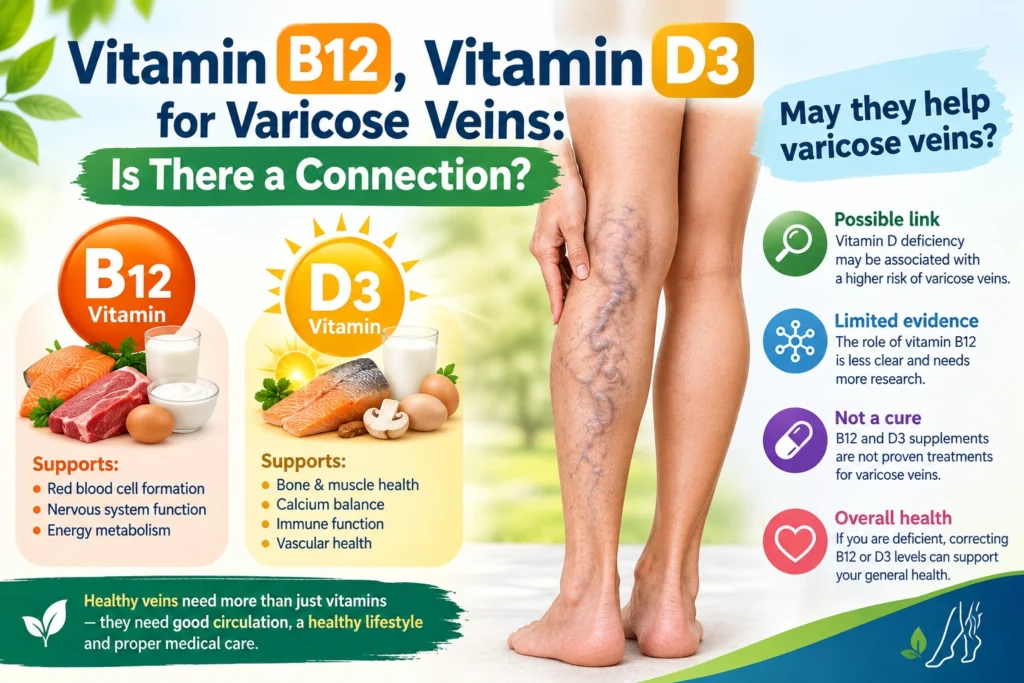
Varicose veins are enlarged, twisted veins that commonly develop in the legs when blood does not return efficiently toward the heart. Problems with venous valves, age, genetics, pregnancy, excess body weight, prolonged standing or sitting, and other factors can contribute to chronic venous disease.
1. Vitamin D and varicose veins
The connection between vitamin D deficiency and varicose veins is an active area of research.
A large 2026 retrospective cohort study involving more than 500,000 matched adults found that people with vitamin D deficiency had a higher rate of newly diagnosed varicose veins over five years. However, this was an observational study, so it does not prove that vitamin D deficiency causes varicose veins or that taking vitamin D will prevent them.
A 2025 laboratory/pilot study also found that the active form of vitamin D affected oxidative-stress and endothelial-related markers in tissue obtained from people with varicose veins. The researchers emphasized that larger clinical trials are needed before vitamin D can be considered a treatment for chronic venous disease.
What this means:
If someone has varicose veins and vitamin D deficiency, correcting the deficiency is reasonable for overall health, but it should not be expected to remove existing varicose veins.
2. Vitamin B12 and varicose veins
The relationship between vitamin B12 and varicose veins is considerably less established.
Research has examined B12 because B12 deficiency can contribute to elevated homocysteine, and homocysteine has been investigated in relation to vascular and blood-clotting problems.
A 2021 Mendelian-randomization study found a small statistical association between genetically predicted B12 levels and varicose veins, but the authors described the evidence concerning B12 as limited and noted that the association did not survive correction for multiple testing.
Therefore, it would be incorrect to say that B12 deficiency causes varicose veins.
3. Can B12 and D3 supplements cure varicose veins?
No.
Vitamin B12 and D3 supplements can correct a documented deficiency, but they are not established treatments for the underlying venous-valve problems that cause varicose veins.
For people with symptomatic varicose veins, management may include:
- Regular walking and physical activity
- Avoiding prolonged sitting or standing
- Leg elevation when appropriate
- Weight management when applicable
- Compression therapy for selected patients
- Medical evaluation for persistent symptoms
- Procedures such as endovenous ablation, sclerotherapy or surgery when clinically indicated
4. Why B12 and D3 are still important
Even though they do not directly cure varicose veins, adequate B12 and D3 are important for general health.
Vitamin B12 supports:
- Normal red blood-cell formation
- Nervous-system function
- DNA synthesis
- Normal energy metabolism
Vitamin D supports:
- Bone and muscle health
- Calcium regulation
- Normal immune function
- Several cellular and vascular processes
If a person has symptoms suggesting deficiency, a healthcare professional can determine whether testing is appropriate.
Important distinction
| Nutrient | Relationship with varicose veins | What the evidence currently suggests |
|---|---|---|
| Vitamin B12 | Possible but uncertain | Evidence is limited; no established causal relationship |
| Vitamin D3 | More evidence of an association | Vitamin D deficiency has been associated with higher varicose-vein risk, but causality and treatment benefit remain uncertain |
| B12 + D3 supplements | Not a proven varicose-vein treatment | Useful when deficiency exists, but they should not replace venous evaluation |
Bottom line
Vitamin D appears to have a more interesting potential relationship with varicose veins than vitamin B12, but neither vitamin has been proven to cure varicose veins. If someone with varicose veins is deficient in B12 or vitamin D, correcting the deficiency can be part of good overall health care, while the venous disease itself should be managed separately.
For your B12D3.com website, this could make a useful article titled “Vitamin B12 and D3 for Varicose Veins: Is There a Connection?” with sections on deficiency, blood circulation, homocysteine, vitamin D, foods, supplements, lifestyle measures and when to see a vascular specialist.
Bottom line
For early/mild varicose veins: walking + calf exercises + healthy weight + leg elevation + avoiding prolonged sitting/standing + appropriate compression can be very helpful for controlling symptoms.
For large, bulging or progressively worsening veins: natural methods generally manage symptoms rather than repair the underlying valve problem. A duplex ultrasound and assessment by a vascular specialist can determine whether treatment is necessary.
If you have visible veins on your legs and want me to assess whether they look more like spider veins or varicose veins, you can upload a clear photo of the affected area; I can explain what features to look for, although a photo cannot replace a Doppler ultrasound or medical examination.
Stay Informed With the Latest & Most Important News
Previous Post
Next Post





Advertisement

-
 01Boost your gut health and immune system naturally
 -
 02Regenerative Stem Cell Treatments in Orthopedics: A Complete Guide to Healing Joints, Bones, and Soft Tissues Naturally
 -
 03Can You Get Vitamin D3 During Sunrise or Sunset? A Scientific Guide
 -
 04Extraordinary Lasoda Glue Berry: Health Benefits, Nutrition, and Traditional Uses
 -
 05Country Eggs: Detailed Information, Nutrition, Benefits, Risks, and How They Compare With Farm Eggs
 -
 06Seasonal mushrooms and snake hole mushrooms: A complete guide
 -
 07The Ultimate Guide to Making Sesame Seed Milk: Recipe, Nutrition & Amazing Health Benefits