

Now Reading: Vitamin D Receptors in the Lungs: How They Affect Respiratory Infections, Asthma and COPD
-
01
Vitamin D Receptors in the Lungs: How They Affect Respiratory Infections, Asthma and COPD
Vitamin D Receptors in the Lungs: How They Affect Respiratory Infections, Asthma and COPD

Introduction
Vitamin D is best known for its role in bone health and calcium metabolism (Vitamin D Receptors in the Lungs). However, research over the past several decades has revealed that vitamin D also participates in the immune system and may influence the way the body responds to infections and inflammation.
One of the most interesting discoveries is the presence of vitamin D receptors (VDRs) in cells involved in lung function and respiratory immunity.
The lungs are continuously exposed to the outside environment (Vitamin D Receptors in the Lungs). Every breath brings in oxygen, but it can also carry viruses, bacteria, allergens, dust, smoke, air pollution and other particles. Because of this constant exposure, the respiratory system needs an effective defense mechanism.
At the same time, the immune response must remain controlled. An immune response that is too weak may allow pathogens to multiply, (Vitamin D Receptors in the Lungs) while excessive inflammation can damage lung tissue.
This is where the vitamin D–VDR pathway has attracted scientific interest.
When the active form of vitamin D binds to the vitamin D receptor, it can influence the activity of specific genes involved in immune regulation, antimicrobial defense and inflammation.
Research has therefore investigated vitamin D and VDR signaling in respiratory infections, (Vitamin D Receptors in the Lungs) asthma, chronic obstructive pulmonary disease (COPD), tuberculosis and other lung conditions.
However, an important distinction must be made between biological mechanisms and clinical treatment benefits.
Laboratory research demonstrates that vitamin D can influence immune pathways. Observational studies have often associated low vitamin D status with poorer respiratory health. But randomized clinical trials of vitamin D supplementation have produced mixed results.
Therefore, vitamin D should not be described as a cure for lung disease.
This article explains what vitamin D receptors are, how they work in the lungs, and what current scientific evidence says about their relationship with respiratory infections, asthma and COPD.
What Are Vitamin D Receptors?
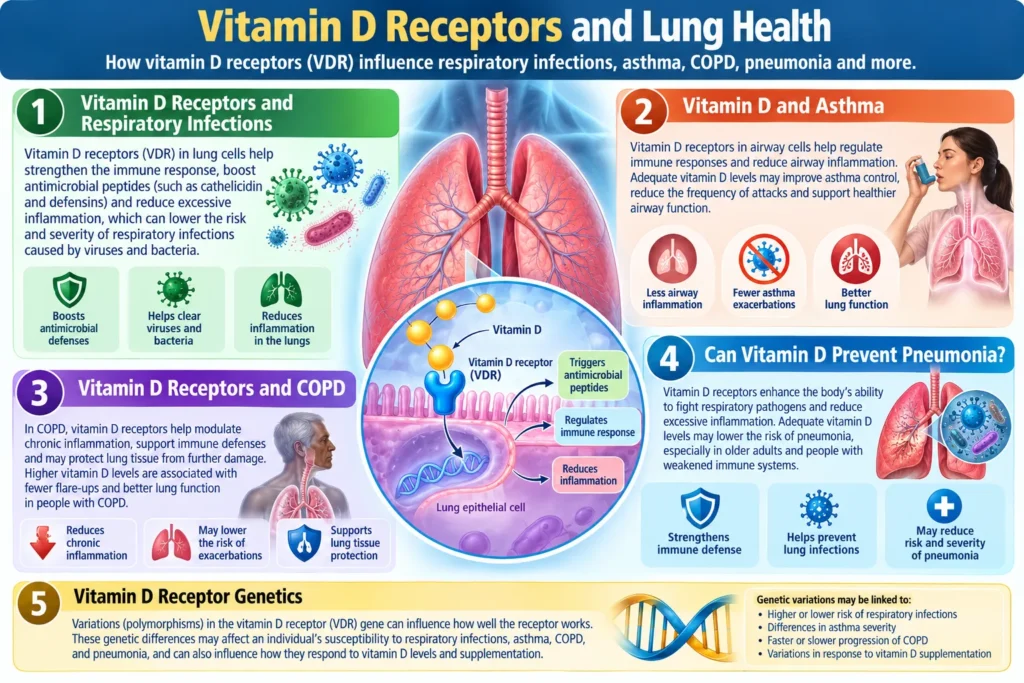
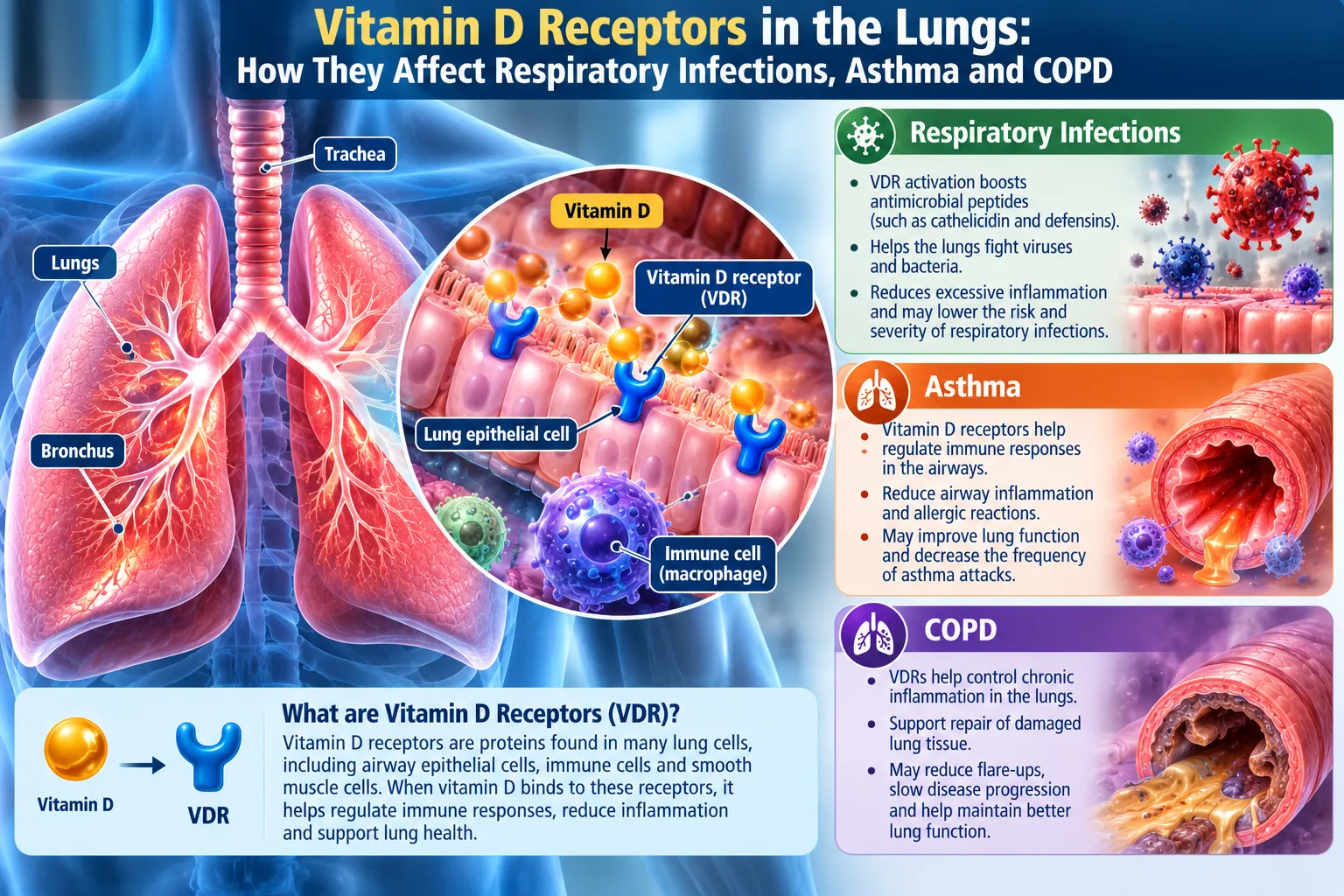
A vitamin D receptor, (Vitamin D Receptors in the Lungs) commonly abbreviated as VDR, is a protein that allows cells to respond to the biologically active form of vitamin D.
Vitamin D obtained through sunlight, food or supplements undergoes metabolic activation in the body.
The main blood test used to assess vitamin D status measures 25-hydroxyvitamin D [25(OH)D].
The biologically active hormonal form is called 1,25-dihydroxyvitamin D [1,25(OH)₂D], also known as calcitriol.
Calcitriol binds to the vitamin D receptor inside susceptible cells. The activated receptor can then interact with DNA-regulating proteins and influence the expression of particular genes.
This is why vitamin D is sometimes described as a hormone-like nutrient rather than simply a conventional vitamin.
VDR signaling occurs in many tissues throughout the body, including cells involved in the immune system.
In the lungs, this pathway is particularly interesting because airway epithelial cells and immune cells can participate in vitamin D metabolism and signaling.
Are Vitamin D Receptors Present in the Lungs?
Yes. Research has demonstrated vitamin D receptor activity in several cells relevant to pulmonary immunity.
These include:
- Airway epithelial cells
- Macrophages
- Dendritic cells
- T lymphocytes
- Other immune cells
The lung also contains enzymes involved in vitamin D (Vitamin D Receptors in the Lungs) metabolism.
This means that vitamin D signaling may occur locally within respiratory tissues.
The concept is important because (Vitamin D Receptors in the Lungs) the lungs do not simply receive vitamin D from the bloodstream and passively respond to it. Some lung and immune cells can participate in the activation and use of vitamin D.
This creates what researchers describe as a local vitamin D signaling system.
The pathway can be simplified as:
Vitamin D → Active vitamin D → VDR activation → Gene regulation → Immune and inflammatory responses
This biological pathway provides one reason researchers are studying vitamin D in lung diseases.
How Does the Vitamin D Receptor Work in the Lungs?
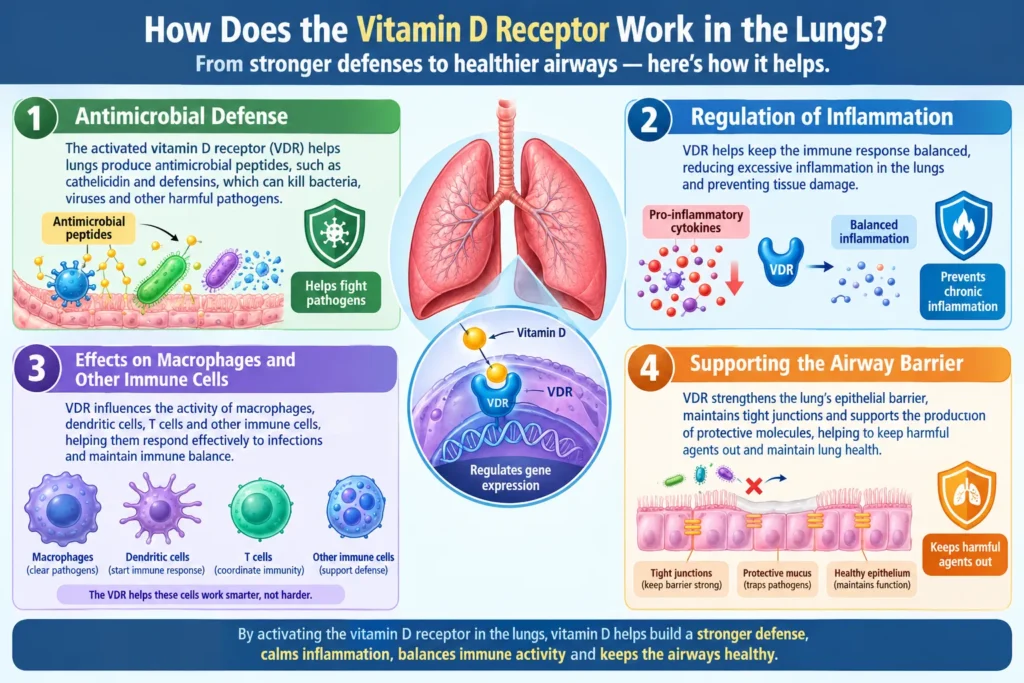
The vitamin D receptor can influence several biological processes relevant to respiratory health.
1. Antimicrobial Defense
One of the most studied effects of vitamin D–VDR (Vitamin D Receptors in the Lungs) signaling is its influence on antimicrobial peptides.
Among these, cathelicidin, particularly the human antimicrobial peptide LL-37, has received considerable attention.
Cathelicidin forms part of the body’s innate immune defense.
It can contribute to the body’s response to microorganisms and also has immunomodulatory properties.
Vitamin D signaling through VDR can increase the expression of genes involved in antimicrobial defense.
This provides a biological explanation for why vitamin D has been investigated as a possible modifier of respiratory infections.
However, the presence of this mechanism does not mean that vitamin D supplements can treat an established bacterial or viral lung infection.
A biological pathway and a clinically effective treatment are two different things.
2. Regulation of Inflammation
Inflammation is essential for fighting infection and repairing tissue.
When the respiratory system detects a pathogen, (Vitamin D Receptors in the Lungs) immune cells release signaling molecules that help recruit and activate other immune cells.
But excessive or prolonged inflammation can damage lung tissue.
Vitamin D signaling can influence several immune and inflammatory pathways.
For this reason, vitamin D is better described as an immunomodulatory factor rather than simply an (Vitamin D Receptors in the Lungs) “anti-inflammatory vitamin.”
Its effects may depend on the type of cell, the immune stimulus and the individual’s vitamin D status.
This distinction is important when discussing asthma and COPD, (Vitamin D Receptors in the Lungs) because both conditions involve complex inflammatory processes.
3. Effects on Macrophages and Other Immune Cells
Macrophages are important immune cells in the lungs.
They help:
- Detect microorganisms
- Remove cellular debris
- Process foreign material
- Coordinate immune responses
- Participate in inflammatory regulation
Vitamin D signaling (Vitamin D Receptors in the Lungs) can influence macrophage activity.
Other immune cells, including T cells and dendritic cells, can also respond to vitamin D.
Through these interactions, vitamin D (Vitamin D Receptors in the Lungs) may help shape the balance between an effective immune response and excessive inflammation.
4. Supporting the Airway Barrier
The airway epithelium forms an important physical and biological barrier between the lungs and the outside environment.
Healthy epithelial cells help prevent microorganisms and harmful particles from penetrating deeper into respiratory tissues.
They also participate actively in immune defense by producing signaling molecules and antimicrobial substances.
Research suggests that vitamin D (Vitamin D Receptors in the Lungs) signaling may influence epithelial-cell function and antimicrobial defense.
However, more human research is needed to determine exactly how much this mechanism contributes to clinical (Vitamin D Receptors in the Lungs) respiratory health.
Vitamin D Receptors and Respiratory Infections
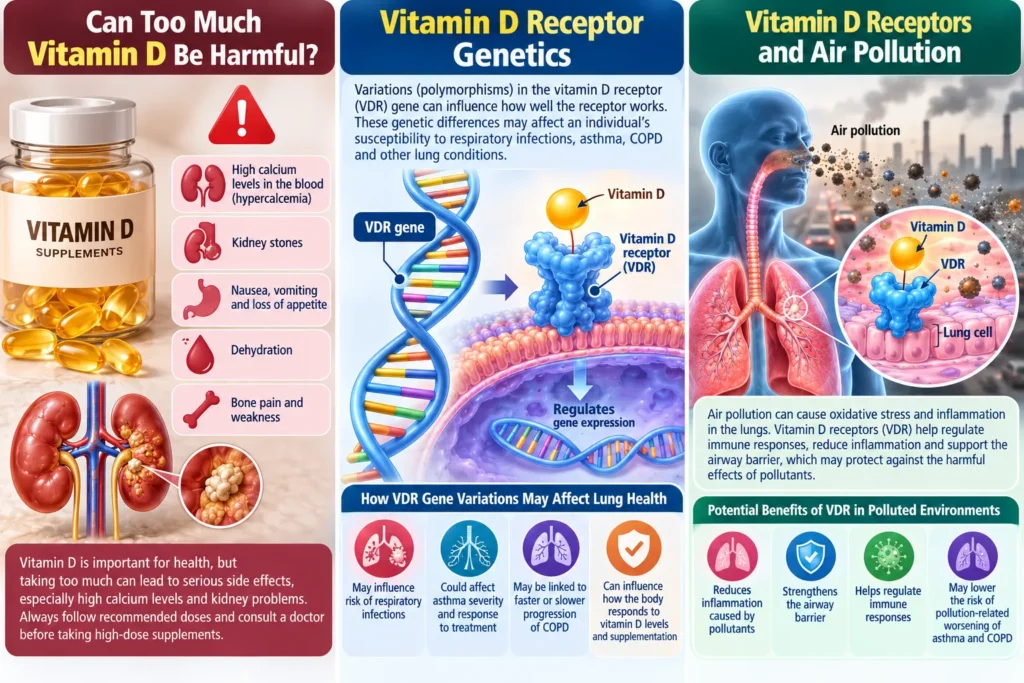
Respiratory infections are among the most common illnesses worldwide.
They can be caused by many different viruses and bacteria.
The biological connection between vitamin D and respiratory immunity has made vitamin D a major research topic.
The proposed pathway is (Vitamin D Receptors in the Lungs):
Adequate vitamin D availability
↓
Vitamin D activation
↓
VDR signaling
↓
Antimicrobial peptide production + immune regulation
↓
Potential support for respiratory defense
This mechanism is biologically plausible.
However, the clinical question is different:
Does taking vitamin D (Vitamin D Receptors in the Lungs) supplements actually prevent respiratory infections?
The answer is not straightforward.
Earlier randomized trials and meta-analyses produced evidence suggesting a modest protective effect in some circumstances.
For example, a 2022 systematic review and meta-analysis of 65 randomized controlled trials involving more than 50,000 participants reported a reduction in respiratory infection incidence, although the researchers also highlighted substantial heterogeneity between studies.
More recent evidence is more cautious.
A major 2025 systematic review and meta-analysis included 43 randomized trials contributing data from 61,589 participants. Vitamin D (Vitamin D Receptors in the Lungs) supplementation did not produce a statistically significant reduction in overall acute respiratory infection risk: the pooled odds ratio was 0.94 with a 95% confidence interval of 0.88–1.00.
The researchers concluded that the updated evidence did not demonstrate statistically significant protection against acute respiratory infections.
Therefore, the current evidence does not justify recommending vitamin D (Vitamin D Receptors in the Lungs) supplementation to everyone specifically as a respiratory-infection prevention strategy.
Vitamin D and Asthma (Vitamin D Receptors in the Lungs)
Asthma is a chronic respiratory disease involving variable airflow limitation and airway inflammation.
Common symptoms include:
- Wheezing
- Coughing
- Chest tightness
- Shortness of breath
- Breathing difficulty
Because vitamin D influences immune signaling, (Vitamin D Receptors in the Lungs) researchers have investigated whether vitamin D status affects asthma.
Several observational studies have reported associations between lower vitamin D levels and:
- Greater asthma severity
- Poorer lung function
- Increased respiratory infections
- Asthma exacerbations
However, observational research cannot establish that vitamin D (Vitamin D Receptors in the Lungs) deficiency directly causes asthma.
People with more severe asthma may spend less time outdoors, have lower physical activity levels or have other factors that influence vitamin D status.
Therefore, randomized controlled trials are particularly important.
Does Vitamin D Improve Asthma?
The evidence remains inconclusive.
The 2023 Cochrane review of vitamin D for asthma management evaluated whether supplementation reduced severe asthma exacerbations requiring systemic corticosteroids or improved asthma control.
The review did not provide evidence that vitamin D (Vitamin D Receptors in the Lungs) supplementation reliably reduced severe asthma exacerbations in the overall population studied.
This does not necessarily mean vitamin D (Vitamin D Receptors in the Lungs) has no relevance to any person with asthma.
People with severe vitamin D deficiency may represent a different subgroup, and some questions remain unanswered.
Nevertheless, current evidence does not support replacing standard asthma treatment with vitamin D.
People with asthma should continue evidence-based treatment prescribed by their healthcare professional.
Vitamin D deficiency, if present, can be addressed as part of overall health management.
Vitamin D Receptors and COPD
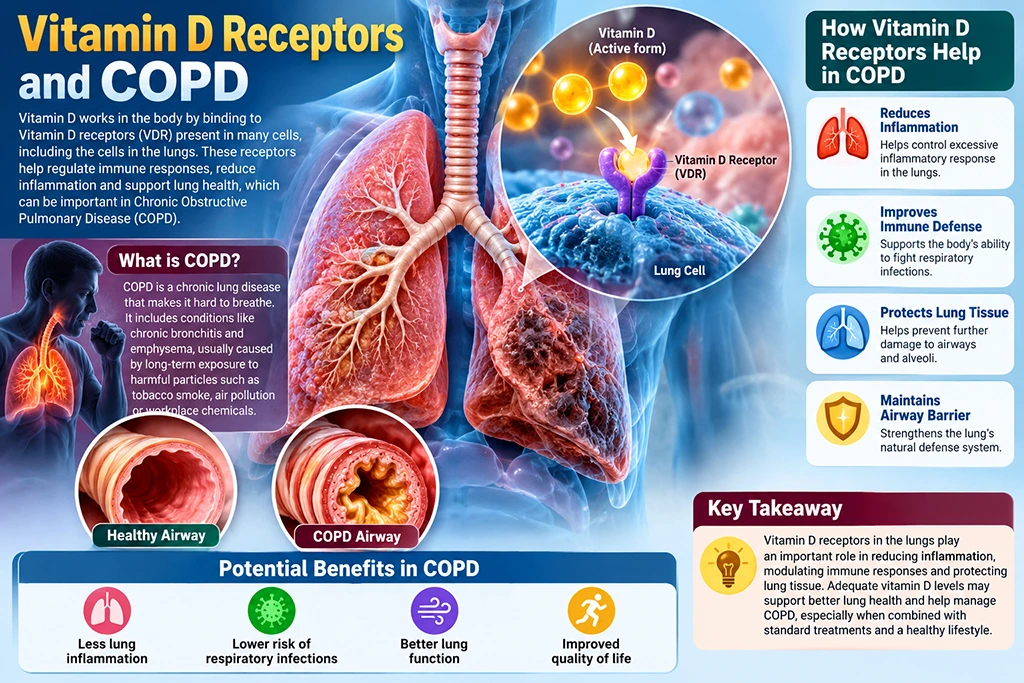
Chronic obstructive pulmonary disease (COPD) is a chronic respiratory condition characterized by persistent airflow limitation and respiratory symptoms.
COPD can involve:
- Chronic airway inflammation
- Airway remodeling
- Excess mucus production
- Damage to lung tissue
- Reduced lung function
- Increased susceptibility to respiratory infections
- Acute exacerbations
Low vitamin D (Vitamin D Receptors in the Lungs) levels are relatively common among people with COPD.
Observational research has found associations between lower vitamin D concentrations and COPD severity.
A systematic review and meta-analysis involving thousands of participants reported that people with COPD had lower vitamin D levels than controls and that vitamin D (Vitamin D Receptors in the Lungs) deficiency was associated with COPD risk and severity.
However, association does not prove that vitamin D deficiency causes COPD.
Smoking, age, reduced outdoor activity, nutritional status, chronic inflammation and other factors can affect both vitamin D (Vitamin D Receptors in the Lungs) status and respiratory health.
Can Vitamin D Prevent COPD Exacerbations?
This is an important area of research.
COPD exacerbations can be triggered by respiratory infections and other environmental or inflammatory factors.
A 2019 individual-participant-data meta-analysis of randomized trials found that vitamin D supplementation did not reduce exacerbation rates overall. However, a subgroup analysis suggested a substantial benefit among participants with very low baseline vitamin D levels below 25 nmol/L.
This finding generated interest in the possibility that severely vitamin-D-deficient COPD patients may respond differently from vitamin-D-sufficient patients.
However, subsequent research has been less consistent.
A 2024 Cochrane review concluded that vitamin D supplementation probably has little or no effect on the rate of moderate or severe COPD exacerbations requiring systemic corticosteroids, antibiotics or both, and probably has little or no effect on lung-volume outcomes.
The Cochrane authors also noted uncertainty about people starting with very low or very high vitamin D levels.
Therefore, the evidence does not support vitamin D as a universal COPD treatment.
Vitamin D and Lung Function
Some meta-analyses have reported (Vitamin D Receptors in the Lungs) improvements in measures of lung function such as:
- FEV1
- FEV1/FVC
following vitamin D supplementation in COPD.
For example, some earlier meta-analyses reported statistically significant improvements in FEV1 and FEV1/FVC.
However, these results need to be interpreted cautiously because studies differed in:
- Vitamin D dose
- Duration of supplementation
- Baseline vitamin D status
- COPD severity
- Study design
- Sample size
- Quality of evidence
More recent high-quality evidence has not consistently demonstrated clinically important improvements in COPD outcomes.
This illustrates an important principle:
A statistically significant change in a laboratory or lung-function measurement does not necessarily translate into a meaningful improvement in symptoms, exacerbations, quality of life or survival.
Vitamin D and Lung Inflammation
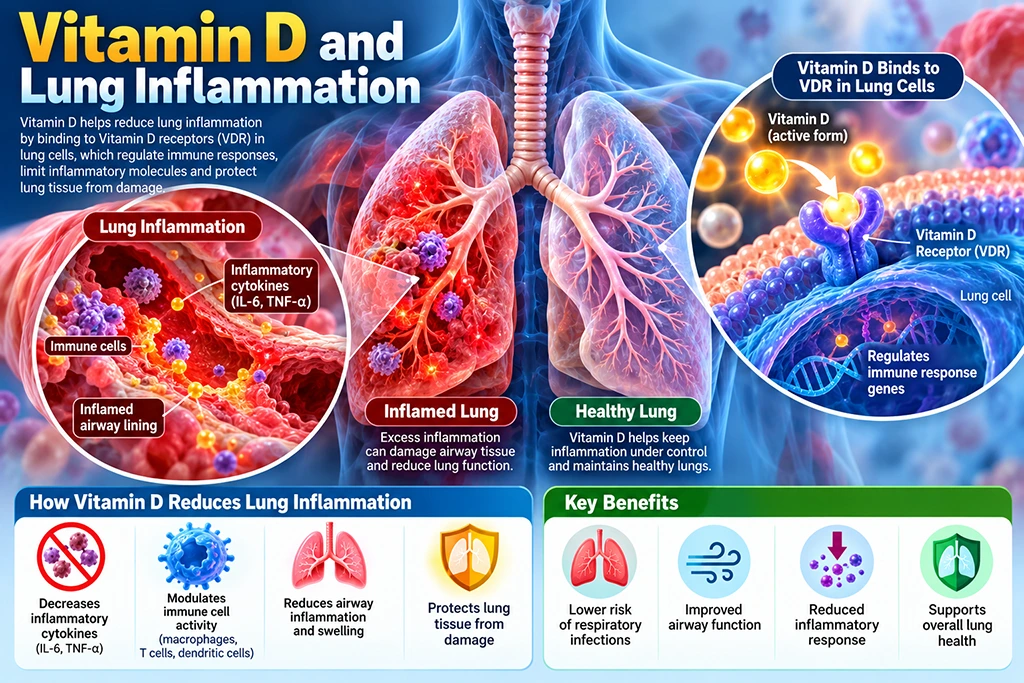
Inflammation plays a major role in respiratory diseases.
In asthma, inflammation contributes to airway narrowing and airway hyperresponsiveness.
In COPD, chronic inflammation contributes to progressive structural and functional changes.
During infection, inflammation helps eliminate pathogens but can also cause tissue injury when excessive.
Vitamin D–VDR signaling can influence immune-cell behavior (Vitamin D Receptors in the Lungs) and inflammatory pathways.
This has led researchers to investigate whether adequate vitamin D (Vitamin D Receptors in the Lungs) status may help maintain a more balanced immune response.
However, the human immune system involves hundreds of interacting pathways.
Vitamin D is only one component of this complex system.
Therefore, claims such as “Vitamin D stops lung inflammation” are too simplistic.
A more scientifically accurate statement is:
Vitamin D signaling can modulate several immune and inflammatory pathways involved in lung health.
Can Vitamin D Prevent Pneumonia?
Vitamin D (Vitamin D Receptors in the Lungs) should not currently be considered a specific preventive treatment for pneumonia.
Pneumonia can have many causes, including bacterial, viral and fungal infections.
Treatment depends on the cause and severity.
Vitamin D may participate in normal immune defense, but taking a vitamin D (Vitamin D Receptors in the Lungs) supplement should not delay diagnosis or treatment of suspected pneumonia.
Seek medical attention for symptoms such as:
- Difficulty breathing
- Chest pain
- Persistent or high fever
- Confusion
- Low oxygen saturation
- Severe weakness
- Rapidly worsening respiratory symptoms
These symptoms can indicate serious respiratory illness.
Vitamin D Deficiency Versus Taking Extra Vitamin D
This distinction is extremely important.
There is a difference between:
Correcting a deficiency
and
Taking extra vitamin D when levels are already adequate.
If someone is vitamin-D deficient, correcting that deficiency may be beneficial for established health reasons.
But this does not automatically mean that pushing vitamin D (Vitamin D Receptors in the Lungs) levels higher will provide additional protection against respiratory diseases.
Current evidence does not support the idea that:
More vitamin D = stronger lungs.
A more appropriate concept is:
Adequate vitamin D → supports normal vitamin D signaling → contributes to normal physiological and immune function.
How Is Vitamin D Status Measured?
The standard blood test used to assess vitamin D status is 25-hydroxyvitamin D [25(OH)D].
The active hormone, 1,25-dihydroxyvitamin D, is generally not the routine test used to diagnose nutritional vitamin D deficiency.
Interpretation of vitamin D levels should consider the laboratory method, clinical circumstances and relevant guidelines.
People should not assume that a single vitamin D (Vitamin D Receptors in the Lungs) number automatically determines their lung health.
Sources of Vitamin D
Vitamin D can come from:
Sunlight
Ultraviolet B radiation can stimulate vitamin D production in the skin.
Production varies according to:
- Skin pigmentation
- Age
- Geographic location
- Season
- Time of day
- Clothing
- Sunscreen use
- Atmospheric conditions
However, excessive ultraviolet exposure increases skin damage and skin-cancer risk.
Sun exposure therefore needs to be balanced with skin protection.
Food
Dietary sources include:
- Fatty fish
- Egg yolks
- Fortified milk
- Fortified plant-based beverages
- Fortified cereals
- Other fortified foods
The exact dietary options depend on an individual’s eating pattern.
Supplements
Vitamin D supplements can be useful for people with documented deficiency or specific risk factors.
The appropriate dose depends on individual circumstances.
High-dose supplementation should not be used routinely without appropriate medical advice.
Can Too Much Vitamin D Be Harmful?
Yes.
Vitamin D is fat-soluble, and excessive supplementation can cause vitamin D toxicity.
High vitamin D exposure can increase calcium absorption and lead to hypercalcemia.
Possible symptoms include:
- Nausea
- Vomiting
- Weakness
- Excessive thirst
- Frequent urination
- Confusion
- Kidney stones
- Kidney impairment
Therefore, taking very large doses in the belief that they will provide additional lung protection can be counterproductive.
The goal is adequacy, not excess.
Vitamin D Receptor Genetics
The VDR gene can naturally vary between individuals.
These genetic variations are called polymorphisms.
Researchers have investigated whether VDR polymorphisms influence susceptibility to conditions such as:
- Asthma
- Tuberculosis
- Respiratory infections
- Other immune-mediated diseases
Some studies have reported associations, while others have not.
The findings vary between populations and study designs.
At present, VDR genetic variation is not a simple clinical test that can reliably predict whether someone will develop asthma, COPD or a respiratory infection.
Respiratory health results from interactions among genetics, infections, environment, smoking, air pollution, nutrition, age and many other factors.
Vitamin D Receptors and Air Pollution
Air pollution is another important factor in lung health.
Particulate matter, cigarette smoke and other pollutants can increase oxidative stress and inflammation in the respiratory tract.
Researchers are interested in whether vitamin D signaling can influence some of the cellular responses to environmental stress.
The biological rationale is plausible because VDR signaling affects immune and inflammatory pathways.
However, vitamin D should not be presented as protection against air pollution.
The most effective strategy for reducing pollution-related respiratory risk is reducing exposure.
For smokers, stopping smoking remains one of the most important steps for protecting lung health.
What Does the Science Really Tell Us?
The current evidence can be divided into several levels.
What is well established?
- Vitamin D receptors exist in cells relevant to lung immunity.
- Vitamin D signaling influences immune and inflammatory pathways.
- Vitamin D can regulate antimicrobial peptides such as cathelicidin.
- Vitamin D deficiency is associated with several adverse health outcomes.
- Vitamin D is important for normal physiological function.
What is biologically plausible but still under investigation?
- Vitamin D may influence airway epithelial defense.
- VDR signaling may affect macrophage function.
- Vitamin D may modify some inflammatory pathways in respiratory disease.
- Severely deficient respiratory patients may represent a subgroup that responds differently to supplementation.
What is not established?
- Vitamin D is not a cure for asthma.
- Vitamin D is not a cure for COPD.
- Vitamin D is not an antibiotic.
- Vitamin D is not a substitute for inhaled asthma or COPD medicines.
- High-dose vitamin D has not been proven to provide superior lung protection.
- Everyone does not need vitamin D supplements specifically to prevent respiratory infections.
Future Research on Vitamin D and Lung Health
Researchers continue to investigate several important questions.
Future clinical trials may help determine:
- Whether severely vitamin-D-deficient patients benefit more than vitamin-D-sufficient patients.
- Whether specific respiratory diseases respond differently.
- Whether daily and intermittent dosing produce different effects.
- Whether VDR genetic differences influence treatment response.
- Whether vitamin D affects specific respiratory pathogens differently.
- Whether vitamin D can complement—not replace—existing respiratory treatments.
- Which patient groups are most likely to benefit from supplementation.
Better-designed trials that identify patients by baseline vitamin D status may be particularly valuable.
Frequently Asked Questions
1. What are vitamin D receptors in the lungs?
Vitamin D receptors, or VDRs, are proteins found in cells that respond to active vitamin D. In the lungs, VDR signaling can influence immune responses, antimicrobial defense and inflammatory pathways.
2. Do lungs have vitamin D receptors?
Yes. Research has identified VDR activity in airway epithelial cells and several immune-cell types involved in pulmonary defense.
3. How does vitamin D affect lung immunity?
Vitamin D can activate VDR-dependent pathways that influence antimicrobial peptides such as cathelicidin and regulate immune-cell and inflammatory responses.
4. Can vitamin D prevent lung infections?
The biological mechanism is plausible, but clinical evidence is mixed. A large 2025 meta-analysis of 61,589 participants did not find a statistically significant overall reduction in acute respiratory infections with supplementation.
5. Can vitamin D cure asthma?
No. Vitamin D is not a cure for asthma and should not replace prescribed asthma treatment.
6. Can vitamin D help COPD?
Vitamin D deficiency is common in COPD, and some studies suggest possible benefits in severely deficient patients. However, high-quality evidence does not demonstrate a consistent overall reduction in COPD exacerbations.
7. Does vitamin D increase cathelicidin?
Yes. Vitamin D–VDR signaling can increase expression of cathelicidin, an antimicrobial peptide involved in innate immune defense.
8. What vitamin D test should I take?
The usual test for vitamin D status is blood 25-hydroxyvitamin D [25(OH)D].
9. Should people with asthma or COPD take vitamin D?
If vitamin D deficiency is suspected or confirmed, supplementation may be appropriate. It should be discussed with a healthcare professional and should not replace prescribed respiratory treatment.
10. Is more vitamin D better for the lungs?
No. There is no established evidence that very high vitamin D levels provide extra lung protection. Excessive supplementation can cause toxicity and hypercalcemia.
Conclusion
The discovery of vitamin D receptors in the lungs has significantly expanded our understanding of vitamin D.
Vitamin D is not only involved in bone and calcium metabolism. Through the VDR pathway, it can influence immune cells, airway epithelial cells, antimicrobial peptides and inflammatory signaling.
This provides a compelling biological explanation for why scientists have studied vitamin D in respiratory infections, asthma and COPD.
However, scientific evidence must distinguish between what happens in cells and what actually improves health in patients.
Laboratory research shows that vitamin D can activate VDR-dependent immune pathways. Observational studies frequently associate low vitamin D status with poorer respiratory health. Yet randomized clinical trials have produced mixed results.
The most recent evidence does not support recommending vitamin D supplementation to everyone as a universal method of preventing respiratory infections. Similarly, high-quality evidence does not establish vitamin D as a routine treatment for asthma or COPD.
The strongest practical message is therefore:
Maintain adequate vitamin D status, correct confirmed deficiency appropriately, and use evidence-based treatment for respiratory disease.
Vitamin D may be an important part of the biological environment in which the lungs defend themselves against infection and regulate inflammation. But it should be viewed as a nutritional and immunological factor—not as a replacement for proven medical treatment.
For people with asthma, COPD, pneumonia or another significant respiratory condition, prescribed treatment remains essential.
The future of vitamin D research in lung health may be less about asking whether “vitamin D works” for everyone and more about identifying which patients are deficient, which diseases are affected, and who is most likely to benefit from supplementation.
Scientific references
- Jolliffe DA, et al. Vitamin D supplementation to prevent acute respiratory infections: systematic review and meta-analysis of stratified aggregate data. The Lancet Diabetes & Endocrinology, 2025. This updated analysis included 61,589 participants and found no statistically significant overall reduction in acute respiratory infections.
- Williamson A, Martineau AR, Sheikh A, Jolliffe D, Griffiths CJ. Vitamin D for the management of asthma. Cochrane Database of Systematic Reviews, 2023. The review did not find convincing evidence that vitamin D supplementation reduces severe asthma exacerbations overall.
- Jolliffe DA, et al. Vitamin D to prevent exacerbations of COPD: systematic review and meta-analysis of individual participant data from randomized controlled trials. Thorax, 2019. Overall benefit was not demonstrated, although a subgroup with very low baseline vitamin D showed a reduction in moderate/severe exacerbations.
- Cochrane Review: Vitamin D for the management of chronic obstructive pulmonary disease, 2024. The review concluded that vitamin D probably has little or no effect on moderate/severe COPD exacerbation rates or lung-volume outcomes overall.
- Vitamin D and COPD systematic reviews/meta-analyses. Several earlier analyses reported associations between lower vitamin D concentrations and COPD risk/severity, while supplementation trials have produced heterogeneous results.
- Vitamin D supplementation and respiratory infections. Earlier meta-analyses reported potential protective effects, particularly with some dosing patterns, but subsequent large analyses have produced more cautious conclusions.
- Vitamin D and COPD lung function. Some meta-analyses have reported improvements in FEV1 and FEV1/FVC following supplementation, although these findings have not translated consistently into clinically important outcomes across higher-quality evidence.
Recommended SEO structure
For your website, I would use:
- Primary keyword: Vitamin D receptors in the lungs
- H1: Vitamin D Receptors in the Lungs: How They Affect Respiratory Infections, Asthma and COPD
- URL:
/vitamin-d-receptors-in-the-lungs/ - SEO title: Vitamin D Receptors in the Lungs: Asthma, COPD & Infections
- Meta description: Discover how vitamin D receptors in the lungs influence immunity, inflammation, respiratory infections, asthma and COPD, and what scientific research really shows.
- Suggested featured-image alt text:
Vitamin D receptors in the lungs and respiratory immune system - Suggested image caption:
Vitamin D–VDR signaling may influence immune defense and inflammation in the lungs. - Suggested categories: Vitamin D, Lung Health, Respiratory Health, Immunity
- Suggested tags: Vitamin D, VDR, Vitamin D receptors, lung health, asthma, COPD, respiratory infections, vitamin D deficiency, lung inflammation, immune system, Vitamin D3
Medical publishing note: Because this is a health article, I recommend retaining the evidence limitations and references rather than using stronger claims such as “Vitamin D cures lung infection” or “Vitamin D prevents COPD.” Those claims would go beyond the available evidence.
Related Posts

Stay Informed With the Latest & Most Important News
Previous Post
Next Post











Advertisement

-
 01Boost your gut health and immune system naturally
 -
 02Regenerative Stem Cell Treatments in Orthopedics: A Complete Guide to Healing Joints, Bones, and Soft Tissues Naturally
 -
 03Can You Get Vitamin D3 During Sunrise or Sunset? A Scientific Guide
 -
 04The Ultimate Guide to Making Sesame Seed Milk: Recipe, Nutrition & Amazing Health Benefits
 -
 05Country Eggs: Detailed Information, Nutrition, Benefits, Risks, and How They Compare With Farm Eggs
 -
 06Extraordinary Lasoda Glue Berry: Health Benefits, Nutrition, and Traditional Uses
 -
 07Seasonal mushrooms and snake hole mushrooms: A complete guide