
Now Reading: Disadvantages of Eating Fish: Mercury, Lead, Omega-3 & Health Risks
-
01
Disadvantages of Eating Fish: Mercury, Lead, Omega-3 & Health Risks
Disadvantages of Eating Fish: Mercury, Lead, Omega-3 & Health Risks

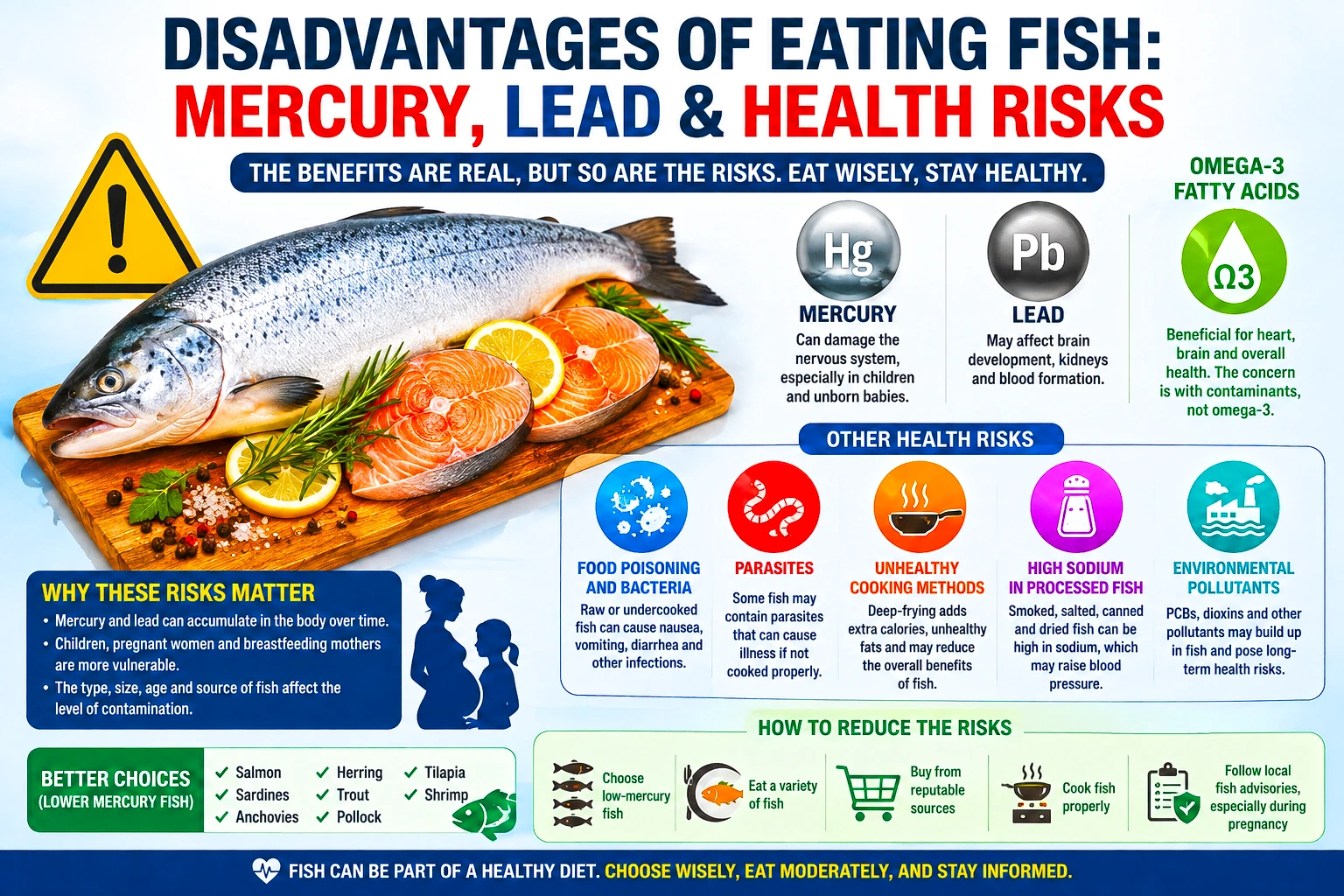
Fish can be a nutritious food and an important source of omega-3 fatty acids, high-quality protein, vitamin D, vitamin B12, iodine, and selenium. However, fish can also contain environmental contaminants—particularly mercury, and in some circumstances lead and other pollutants. The health impact depends heavily on the species, size, age, source, and amount of fish consumed.
Disadvantages and Potential Risks of Eating Fish
1. (Disadvantages of Eating Fish) Mercury exposure in the fish
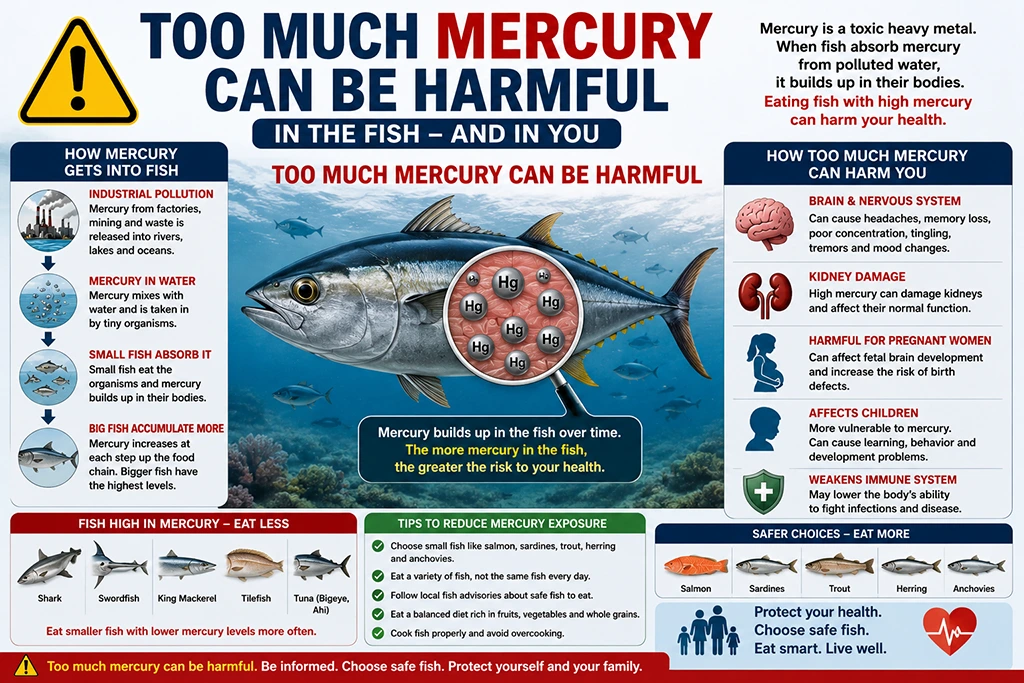
The most important contaminant concern associated with eating fish is methylmercury, a form of mercury that accumulates in fish.
Mercury enters aquatic ecosystems and is converted into methylmercury. Small fish absorb it, and larger predatory fish eat many smaller fish. As a result, mercury concentrations can increase as you move up the food chain.
Fish that can contain relatively higher mercury levels include:
- Shark
- Swordfish
- King mackerel
- Marlin
- Certain large tuna species
- Orange roughy
- Tilefish from certain regions
Regularly consuming large quantities of high-mercury fish can increase mercury exposure.
2. Why too much mercury can be harmful (Disadvantages of Eating Fish)
Methylmercury primarily affects the nervous system. High exposure can cause neurological problems, including:
- Tingling or numbness
- Muscle weakness
- Problems with coordination
- Impaired vision or hearing
- Memory and concentration problems
The developing nervous system is particularly sensitive to mercury. Therefore, pregnant women, women who may become pregnant, breastfeeding women, and young children need to pay particular attention to fish choices and serving sizes.
Importantly, this does not mean that people should stop eating fish. Choosing low-mercury varieties is generally a better approach.
Lead is another environmental contaminant that can sometimes be present in fish, particularly fish from contaminated water bodies.
Potential sources include:
- Industrial pollution
- Mining activities
- Contaminated sediments
- Old plumbing or infrastructure
- Industrial discharge
- Contaminated water or food chains
3. Lead contamination (Disadvantages of Eating Fish)
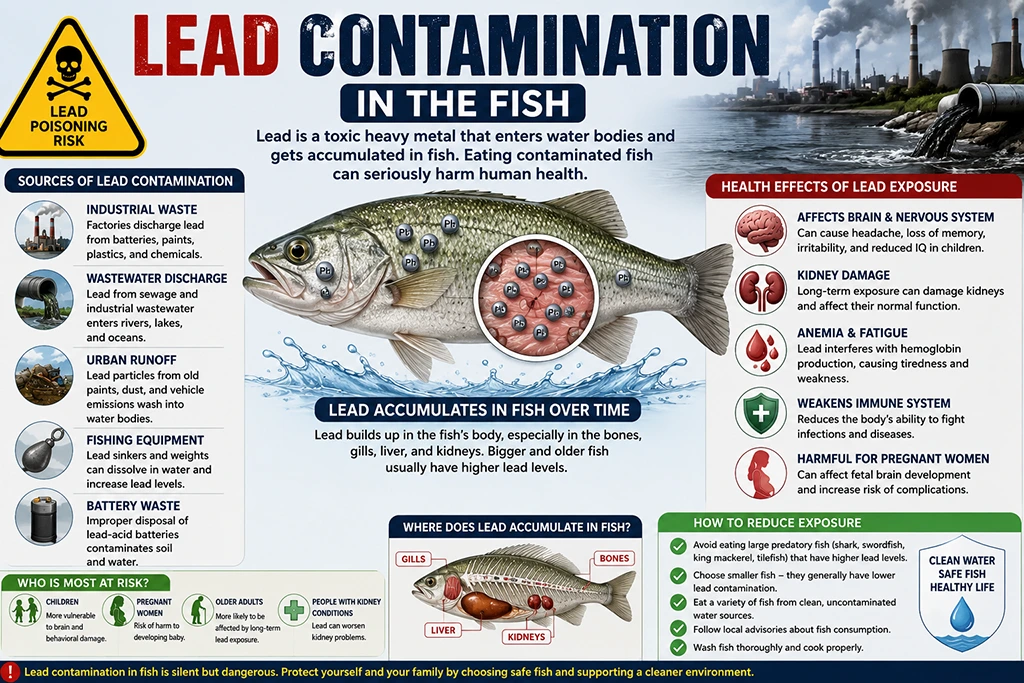
Lead exposure is a greater concern for children and developing fetuses. Chronic exposure can affect the brain, nervous system, blood-forming system, and kidneys.
However, it is important not to imply that all fish contain dangerous amounts of lead. Lead contamination varies considerably according to the location and environmental conditions.
4. Omega-3 fatty acids: beneficial, not a disadvantages of eating fish
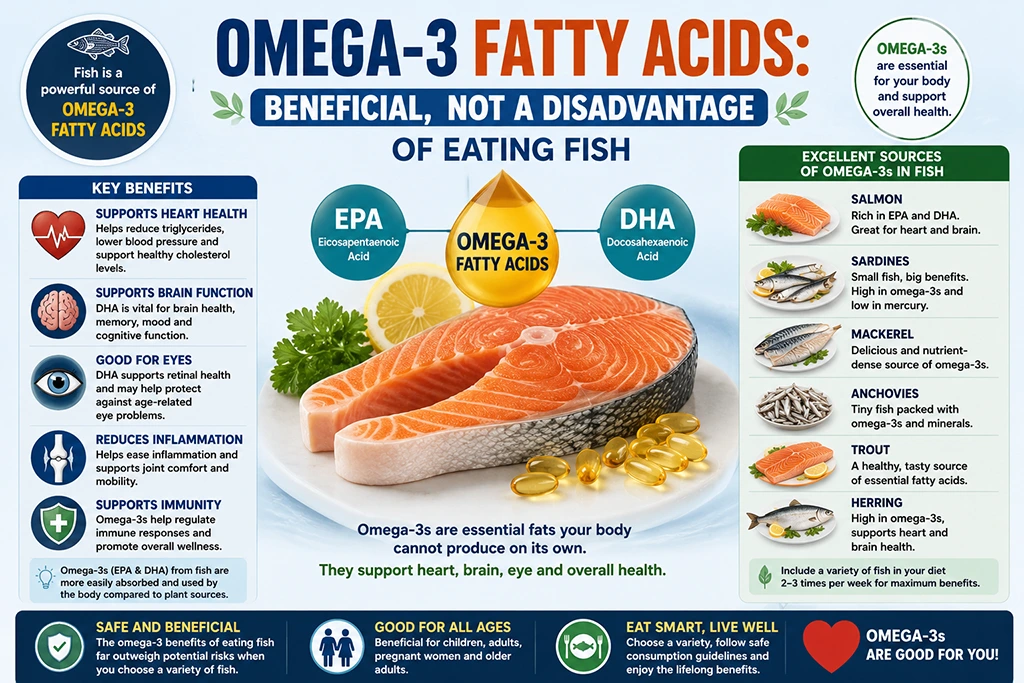
There is an important distinction here.
Fish contain EPA and DHA, two long-chain omega-3 fatty acids. These are generally considered beneficial nutrients rather than harmful substances.
Omega-3 fatty acids have been associated with:
- Supporting cardiovascular health
- Supporting normal brain function
- Supporting eye health
- Helping regulate inflammatory processes
- Supporting normal development during pregnancy
Therefore, saying “fish contain omega fatty acids, which are bad for health” would be incorrect.
The concern is that some fish can contain both beneficial nutrients and environmental contaminants. The solution is generally to choose lower-mercury fish rather than avoiding fish altogether.
5. PCBs, dioxins and other persistent pollutants (Disadvantages of Eating Fish)
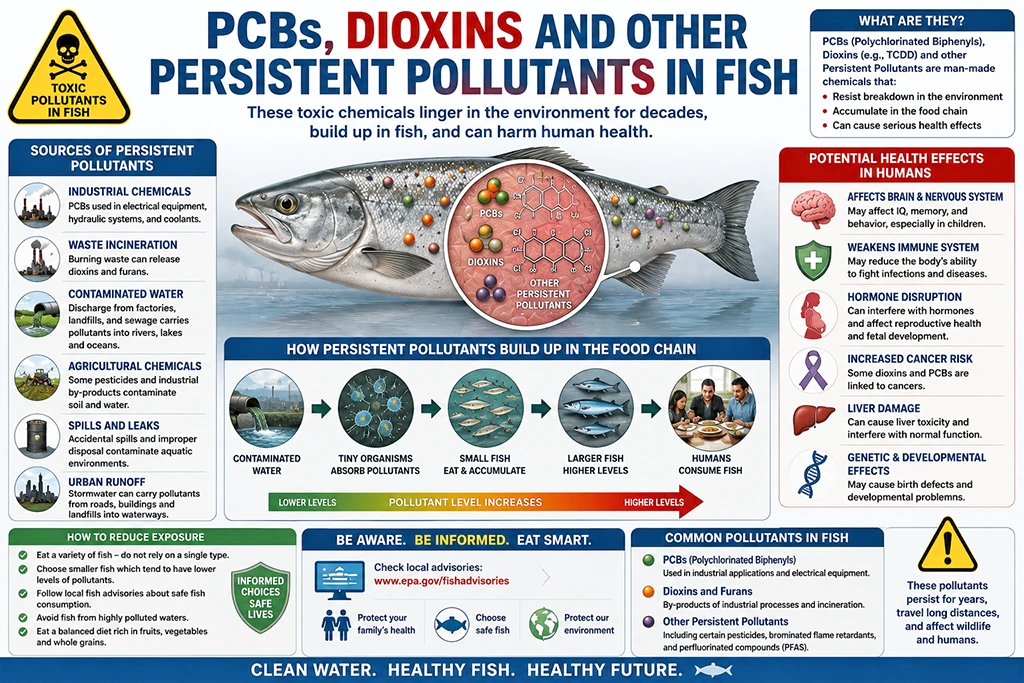
Depending on where fish are caught or farmed, they may contain other environmental contaminants, (Disadvantages of Eating Fish) including polychlorinated biphenyls (PCBs), dioxins, and certain persistent organic pollutants.
These substances can accumulate in fatty tissues of fish.
Long-term exposure to some of these contaminants has been associated with adverse effects involving:
- The immune system
- The nervous system
- Reproductive health
- Hormonal regulation
- Development
The actual risk depends on the contaminant concentration and how frequently contaminated fish are consumed.
6. Food poisoning and bacterial contamination (Disadvantages of Eating Fish)
Raw or inadequately cooked fish can carry microorganisms that cause foodborne illness.
Possible symptoms include:
- Nausea
- Vomiting
- Diarrhea
- Abdominal cramps
- Fever
Raw fish dishes such as sushi and sashimi require careful handling and appropriate food-safety controls.
People with weakened immune systems, older adults, pregnant women, and young children should be particularly cautious about consuming raw or undercooked seafood.
7. Parasites (Disadvantages of Eating Fish)
Some raw or inadequately cooked fish can contain parasites.
Proper cooking substantially reduces this risk. Freezing under appropriate commercial conditions can also destroy many parasites, although freezing does not eliminate every food-safety concern.
8. Fried fish can become less healthy (Disadvantages of Eating Fish)
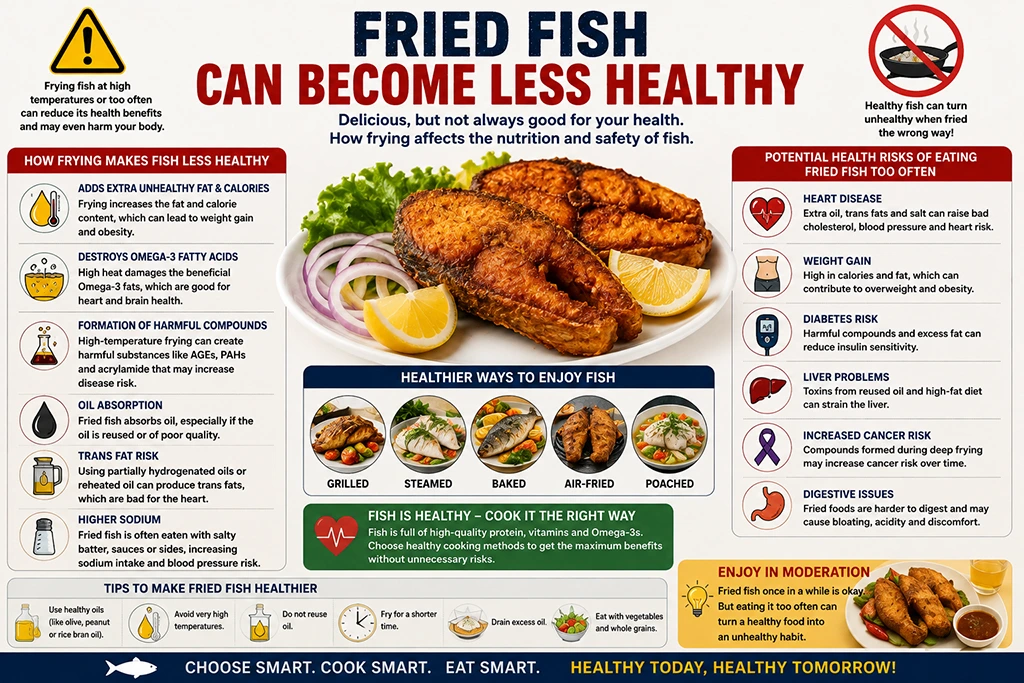
The health profile of fish also depends on how it is prepared.
Deep-fried fish can contain substantially more calories and fat than steamed, baked, grilled, or lightly cooked fish.
Eating fried fish frequently may therefore contribute to:
- Excess calorie intake
- Weight gain
- Higher intake of unhealthy fats
- Increased sodium intake, depending on preparation
The problem in this situation is not the fish itself but the cooking method and accompanying ingredients.
9. High sodium in processed fish (Disadvantages of Eating Fish)
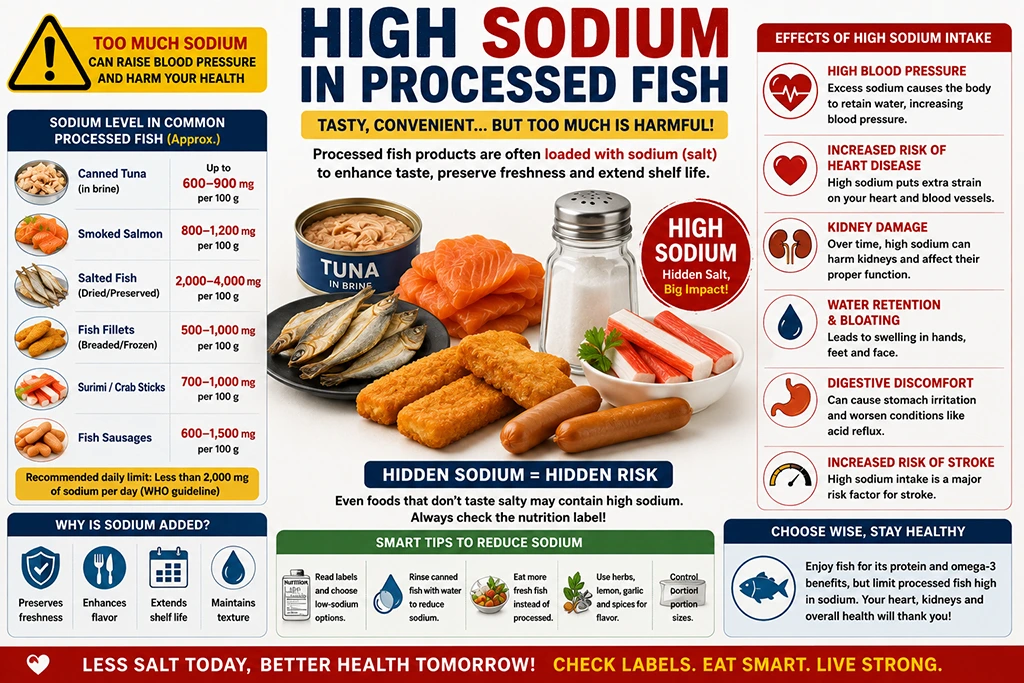
Certain fish products can contain considerable amounts of sodium, particularly:
- Smoked fish
- Salted fish
- Canned fish with added salt
- Dried fish
- Pickled fish
- Highly processed seafood products
Frequent consumption of high-sodium foods can contribute to excessive sodium intake, which can be problematic for people who need to restrict sodium.
Are Omega-3 Fatty Acids Dangerous (Disadvantages of Eating Fish) ?
Generally, no.
Omega-3 fatty acids found naturally in fish are an important part of a balanced diet. EPA and DHA are particularly well studied.
The misconception comes from combining two separate issues:
Fish → omega-3 → generally beneficial
Some fish → mercury/other contaminants → potentially harmful at sufficiently high exposure
So the goal is not to eliminate omega-3-rich fish. It is to choose fish wisely and vary the species consumed.
Which Fish Are Generally Better Choices?
Lower-mercury options commonly include:
- Salmon
- Sardines
- Anchovies
- Atlantic and Pacific mackerel species that are not king mackerel
- Herring
- Trout
- Pollock
- Tilapia
- Shrimp
The exact contaminant levels can vary by species, geographic location, and source.
Fish to limit because of higher mercury
Large, long-lived predatory fish generally accumulate more mercury. Examples include:
- Shark
- Swordfish
- King mackerel
- Marlin
- Orange roughy
- Bigeye tuna
- Certain tilefish
Tuna deserves special attention because mercury levels vary considerably between tuna species.
How to Reduce the Risks of Eating Fish (Disadvantages of Eating Fish)
Choose variety
Don’t eat the same species every day. Rotating different low-mercury fish can reduce exposure to any single contaminant.
Prefer smaller fish
Smaller, short-lived fish generally accumulate less mercury than large predatory fish.
Choose reputable sources
Buy fish from reliable suppliers and follow local advisories if you catch fish yourself.
Cook fish properly
Proper cooking reduces the risk of bacterial and parasitic infections, although cooking does not reliably remove mercury.
Avoid excessive consumption of high-mercury fish
This is particularly important during pregnancy and childhood.
Don’t assume expensive fish are automatically safer
Price does not determine mercury concentration. Species and environmental exposure are much more important factors.
Fish: Benefits vs. Potential Risks
| Fish component/issue | Potential effect |
|---|---|
| EPA & DHA omega-3 | Generally beneficial |
| High-quality protein | Beneficial |
| Vitamin B12 | Beneficial |
| Selenium | Beneficial in appropriate amounts |
| Vitamin D | Beneficial when present |
| Methylmercury | Harmful at excessive exposure |
| Lead | Harmful with sufficient exposure |
| PCBs/dioxins | Potential concern depending on contamination |
| Raw/undercooked fish | Foodborne illness/parasite risk |
| Smoked/salted fish | Can be high in sodium |
| Deep-fried fish | Higher calories and potentially unhealthy fats |
Bottom Line
Fish is not inherently unhealthy because it contains omega-3 fatty acids, lead, or mercury. Omega-3 fatty acids are generally beneficial, while mercury and lead are contaminants that can be harmful when exposure is sufficiently high.
The healthiest approach for most people is not to eliminate fish, but to choose low-mercury fish, eat a variety of species, avoid excessive amounts of large predatory fish, and prepare fish using healthier cooking methods.
If you’re creating this as a health article, a more accurate title would be:
“Disadvantages of Eating Fish: Mercury, Lead, Contaminants, and Other Potential Health Risks”
This framing avoids incorrectly suggesting that omega-3 fatty acids themselves are harmful.
Stay Informed With the Latest & Most Important News
Previous Post
Next Post









Advertisement

-
 01Boost your gut health and immune system naturally
 -
 02Regenerative Stem Cell Treatments in Orthopedics: A Complete Guide to Healing Joints, Bones, and Soft Tissues Naturally
 -
 03Can You Get Vitamin D3 During Sunrise or Sunset? A Scientific Guide
 -
 04The Ultimate Guide to Making Sesame Seed Milk: Recipe, Nutrition & Amazing Health Benefits
 -
 05Country Eggs: Detailed Information, Nutrition, Benefits, Risks, and How They Compare With Farm Eggs
 -
 06Extraordinary Lasoda Glue Berry: Health Benefits, Nutrition, and Traditional Uses
 -
 07Seasonal mushrooms and snake hole mushrooms: A complete guide